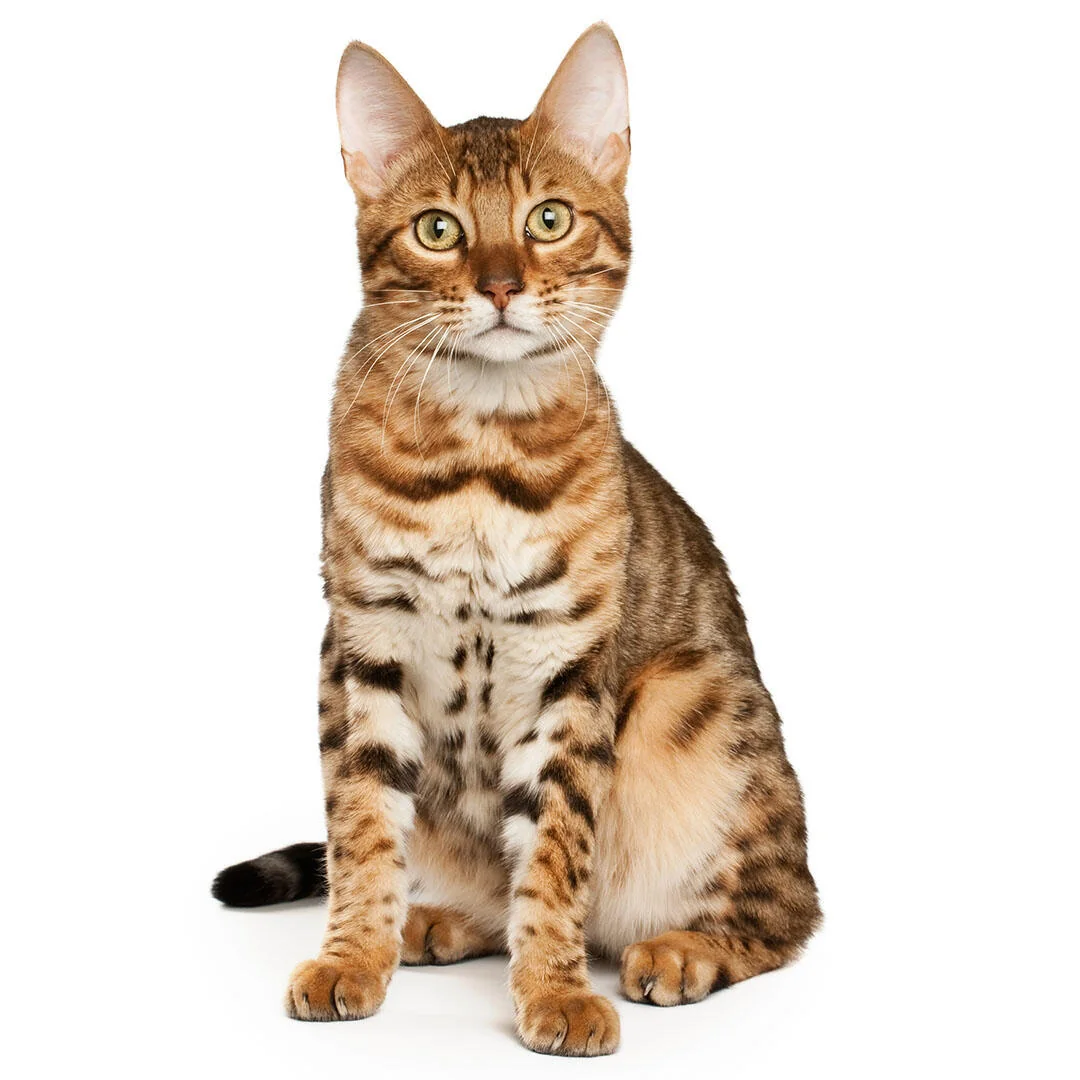
Bengal cats captivate with their wild appearance, athletic build, and energetic personalities. Developed by crossing domestic cats with Asian Leopard Cats, they retain distinctive spotted or marbled coats and high activity levels. This guide covers essential care information to help you provide a stimulating, healthy life for your Bengal.
Temperament and Personality
Bengals are highly intelligent, curious, and interactive cats. They form strong bonds with their families and often follow owners from room to room. Their playful nature persists into adulthood, requiring ample engagement. They thrive in homes where they receive consistent attention and mental challenges.
Exercise and Enrichment Needs
Bengals require marked physical and mental stimulation. Provide tall cat trees, interactive puzzle toys, and daily play sessions using wand toys or laser pointers. Many enjoy leash training for outdoor exploration under supervision. Water play is common due to their wild ancestry. Boredom can lead to destructive behaviors, so rotate toys and introduce new challenges regularly.
Grooming and Coat Care
The Bengal's short, dense coat is relatively low maintenance. Weekly brushing removes loose hair and distributes natural oils. Their coat repels dirt well, so bathing is rarely needed. Regular nail trimming, ear cleaning, and dental care should be part of your routine. Many Bengals tolerate handling well when introduced gradually.
Health Considerations
Bengals may be predisposed to hypertrophic cardiomyopathy, progressive retinal atrophy, and patellar luxation. Responsible breeding practices with health testing significantly reduce these risks. Maintain a healthy weight through portion controlled feeding and regular activity. Annual veterinary checkups support early detection and management.
Training and Socialization
Bengals are highly trainable using positive reinforcement methods. Teach basic commands, leash walking, and tricks to engage their intelligence. Early socialization with people, children, and other pets helps develop confident, well adjusted adults. Provide vertical spaces and hiding spots to support their natural climbing instincts.