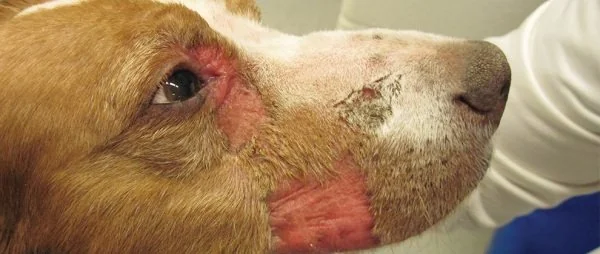
Cancer is a leading cause of death in dogs, particularly those over ten years old. However, advances in veterinary oncology mean many cancers are treatable or manageable, allowing dogs to maintain good quality of life. Early detection and understanding treatment options empower owners to make informed decisions during this challenging time.
Common Types of Canine Cancer
Lymphoma affects lymph nodes and organs, causing enlarged lymph nodes, lethargy, and weight loss. Mast cell tumors are common skin cancers that appear as lumps that may change size or ulcerate. Hemangiosarcoma develops in blood vessels, often in the spleen or heart, and may cause sudden collapse due to internal bleeding. Osteosarcoma is aggressive bone cancer causing lameness and swelling, commonly in large breed limbs. Mammary tumors occur primarily in unspayed females.
Recognizing Warning Signs
Monitor for new lumps or bumps that grow, change shape, or bleed. Sores that don't heal, unexplained weight loss, decreased appetite, lethargy, difficulty breathing, persistent lameness, abnormal bleeding, or chronic digestive issues warrant veterinary evaluation. Any unexplained change lasting more than a few days should be investigated, as early detection significantly improves outcomes.
Diagnostic Process
Veterinarians use physical exams, blood work, imaging (X-rays, ultrasound, CT scans), and biopsies to diagnose cancer type and stage. Fine needle aspirates or tissue biopsies determine if masses are malignant. Staging assesses how far cancer has spread, guiding treatment decisions. Referral to a veterinary oncologist provides specialized diagnostics and treatment planning.
Treatment Approaches
Treatment depends on cancer type, stage, location, and the dog's overall health. Surgery removes accessible tumors. Chemotherapy uses drugs to kill cancer cells throughout the body. Radiation therapy targets specific areas with high energy beams. Immunotherapy stimulates the immune system to fight cancer. Palliative care focuses on comfort and quality of life when cure isn't possible. Many dogs tolerate treatment well with minimal side effects.
Quality of Life Considerations
Discuss realistic expectations with your veterinary team. Consider your dog's personality, your resources, and treatment goals. Many dogs maintain excellent quality of life during treatment with proper pain management and supportive care. Regular monitoring helps adjust treatment as needed. Focus on making each day comfortable and meaningful for your companion.