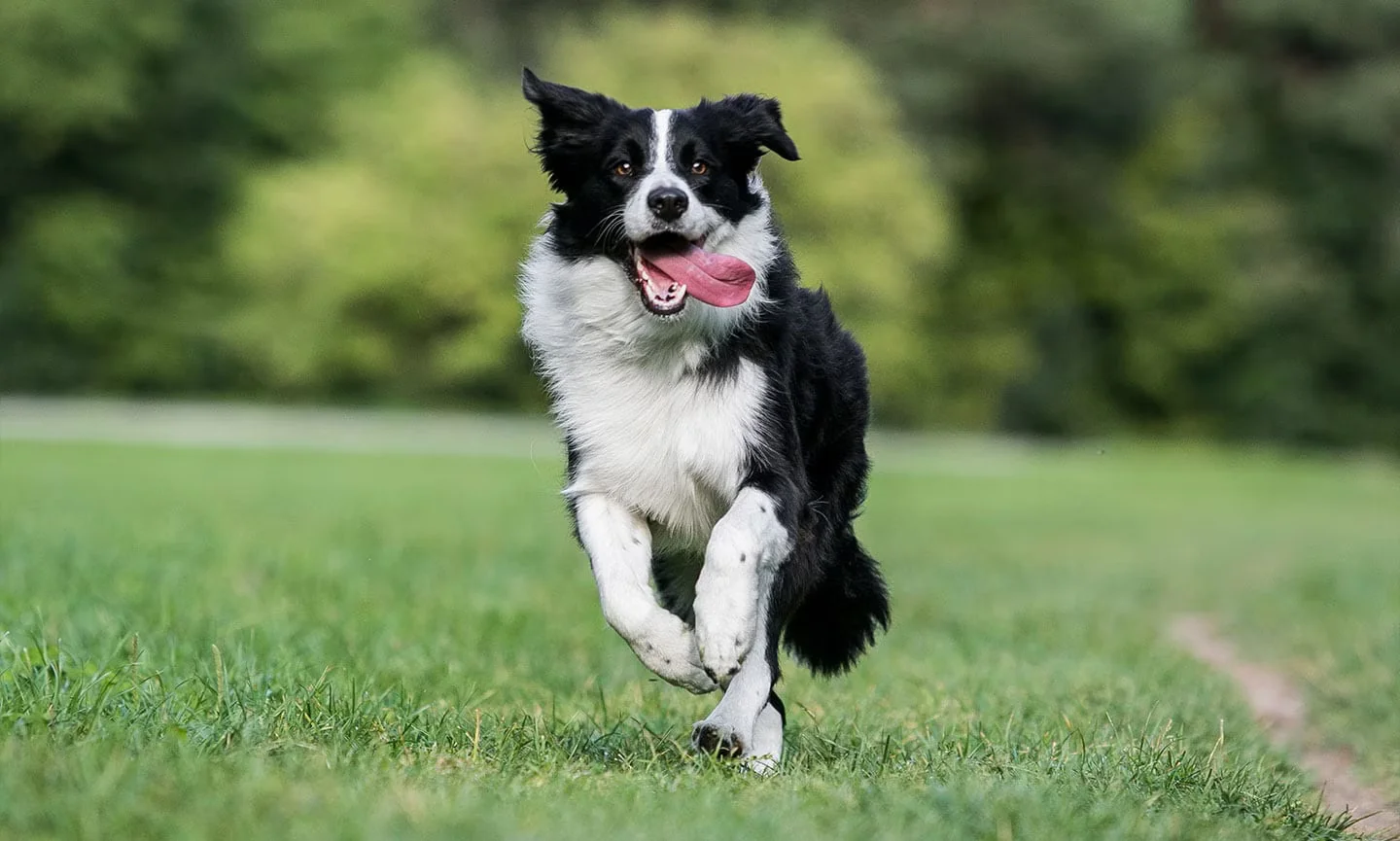

This guide focuses on the principles, philosophy, and troubleshooting behind dog training — for step-by-step instructions on teaching each specific command (sit, stay, recall, and more), see our companion dog training basics guide. The core principle underlying everything here: positive reinforcement with precise timing (reward within 1–2 seconds) outperforms every other method, and most "problem behaviors" are actually communication — a dog that pulls, jumps, or barks is doing what has worked for them in the past, not being defiant. Consistency across every family member using the same commands matters as much as the training itself.
Key Training Principles
- Positive reinforcement is the most effective and humane training method, supported by decades of behavioural science
- Sessions of 5 to 15 minutes produce better learning than long, infrequent sessions
- Timing is everything: the reward must come within 1 to 2 seconds of the desired behaviour
- Consistency across all family members using the same commands and rules is non-negotiable
- Reliable recall is the single most important safety command you will ever teach your dog
- Problem behaviours are almost always communication problems, not defiance. A dog that pulls, jumps, or barks is doing what has worked in the past
In This Guide
- Why Training Matters Beyond Obedience
- Positive Reinforcement: The Gold Standard
- The Rules of Timing and Markers
- Session Length, Frequency, and Environment
- The 10 Essential Commands (Step-by-Step)
- Solving Common Behaviour Problems
- Socialisation: The Foundation Everything Else Builds On
- The Most Common Training Mistakes
- Frequently Asked Questions
A well-trained dog is not a luxury; it is a safer, happier dog with a stronger bond to its owner and a longer, more stable home life. Dogs that understand what is expected of them and receive clear, consistent communication from their owners experience significantly less anxiety than dogs in unpredictable, structureless environments. Training is not about control for its own sake. It is about creating a shared language between you and your dog that makes cohabitation easier, safer, and more enjoyable for both of you.
Why Training Matters Beyond Obedience
Most people think of dog training primarily in terms of obedience: a dog that sits when asked, stays when told, and comes when called. These outcomes matter, but they are only part of the picture. The process of training itself, the daily engagement, the clear communication, the earned rewards and the gentle correction of errors, builds a relationship between dog and owner that no amount of passive cohabitation can replicate.
Mental stimulation through training is also a critical component of a dog's overall wellbeing. Dogs that regularly work their brains through training sessions, puzzle feeding, and problem-solving activities show lower rates of anxiety and destructive behaviour than physically exercised but mentally idle dogs. A dog that has nothing challenging to think about will frequently create its own challenges, which is rarely good news for the furniture.
Positive Reinforcement: The Gold Standard
Positive reinforcement is the practice of rewarding a behaviour you want to see more of, immediately after it occurs. The reward can be food, praise, play, or access to something the dog wants. Because the reward follows the behaviour, the dog's brain forms a direct association: performing this behaviour produces something good. This makes the behaviour more likely to happen again.
The scientific case for positive reinforcement in dog training is extensive. Studies comparing reward-based training to punishment-based and aversive methods consistently show that dogs trained with positive reinforcement learn faster, retain behaviours longer, show less anxiety and stress, and exhibit fewer secondary behavioural problems. Punishment-based methods can suppress behaviour in the short term but often increase anxiety, erode trust, and sometimes redirect aggression.
Positive reinforcement does not mean permissiveness. It does not mean ignoring bad behaviour or having no boundaries. It means that when you want a behaviour to increase, you reward it, and when you want a behaviour to decrease, you withhold reward, redirect, or manage the environment to prevent opportunities for the unwanted behaviour to be practised.
Mark the Moment
Use a marker word ("yes") or clicker the instant the desired behaviour occurs, before delivering the treat.
Timing Is Everything
The reward must arrive within 1 to 2 seconds of the behaviour. Delayed rewards teach the wrong lesson.
Be Consistent
Every family member uses the same commands and rules. Inconsistency confuses dogs and slows learning dramatically.
Build Gradually
Increase difficulty in small steps: duration, distance, then distraction. Never add all three at once.
The Rules of Timing and Markers
Timing is the single most important technical skill in dog training. A dog's brain operates on cause-and-effect associations that form within a very narrow window. If you ask your dog to sit, the dog sits, you rummage in your pocket for a treat, the dog stands up, and then you deliver the treat, you have just rewarded standing up, not sitting. Dogs cannot reason backwards through a sequence of events the way humans can. They simply associate the reward with whatever they were doing at the precise moment it arrived.
Marker training solves this problem. A marker is a precise, consistent signal that tells the dog exactly which behaviour earned the reward. A clicker (a small device that makes a distinct clicking sound) is the most commonly used marker because its sound is unique, consistent, and emotionally neutral. Many trainers use a verbal marker instead, typically the word "yes" spoken in a bright, consistent tone. The marker is always followed immediately by a reward.
The protocol is simple: the dog performs the desired behaviour, you mark (click or "yes") at the exact moment it happens, then deliver the treat. Over thousands of repetitions, the dog learns that the marker sound means "that was correct and a reward is coming." This allows you to precisely communicate which moment in time earned the reward, even if the treat takes a few seconds to deliver.
Charge Your Marker Before Using It for Training Before using a clicker or verbal marker in actual training, spend a few minutes "charging" it. Click (or say "yes") then immediately deliver a treat, about 20 times in a row, without asking for any behaviour at all. The dog learns that the marker sound predicts a reward. Once the dog shows an anticipatory response, such as looking at you when they hear the click, the marker is ready to use in training.
Session Length, Frequency, and Environment
Short, frequent training sessions are dramatically more effective than long, occasional ones. The AKC recommends practising each command for 5 to 10 minutes daily. For puppies under 6 months, sessions should be 3 to 5 minutes maximum. For adult dogs, 10 to 15 minutes of focused training is a strong session. Multiple short sessions spread throughout the day, even informal ones during daily routines, produce much better results than one long weekly session.
Always start a new training session in a low-distraction environment: inside your home, in the garden, somewhere familiar and quiet. Once your dog reliably performs a behaviour in that setting, gradually introduce distractions. The classic progression is duration first (can the dog hold a stay for longer?), then distance (can it stay while you move further away?), then distraction (can it stay with other dogs around?). Never add all three variables simultaneously.
End every session on a success. If your dog is struggling with a difficult exercise, drop back to something easier the dog knows well, get a successful repetition, reward it generously, and finish there. Ending on failure teaches frustration. Ending on success teaches the dog that training sessions are pleasant experiences worth engaging with.
The 10 Essential Commands (Step-by-Step)
1. Sit Foundation
The first command most dogs learn and the foundation for everything else. Teaching a reliable sit prevents jumping, rushing through doors, and many other problem behaviours.
- Hold a treat close to your dog's nose. Slowly move your hand up, causing the dog's head to rise and their bottom to lower naturally.
- The moment the bottom touches the ground, mark ("yes" or click) and reward.
- Once the physical lure is working reliably, add the verbal cue "sit" just before the hand movement.
- Practise in multiple locations and gradually reduce the hand lure over many sessions.
2. Down Foundation
A more relaxed, sustainable position than sit. Essential for settling on a mat and for keeping an excitable dog calm in public.
- Ask for a sit. Hold a treat in front of the dog's nose and slowly lower it to the floor between their front paws.
- As the dog follows the treat downward, their elbows should touch the floor. Mark and reward the moment they do.
- If the dog stands up instead of lying down, go back a step and use the treat lure more slowly.
- Add the verbal cue "down" once the physical movement is reliable. The word "down" should only ever mean lie down, not get off the sofa or person (use "off" for that).
3. Stay Safety
Teaches the dog to hold a position until released. Builds duration, distance, and distraction tolerance progressively.
- Ask for a sit or down. Say "stay" in a calm tone while holding your palm flat toward the dog.
- Wait two seconds. If the dog holds the position, mark and reward without asking the dog to move.
- Build duration first: gradually increase the time before marking, in one to two second increments over multiple sessions.
- Add distance only after reliable duration. Take one step back, return, mark and reward. Gradually increase distance.
- Always add a release word ("ok" or "free") before walking away so the dog learns that stay ends only when released, not whenever they choose.
4. Come (Recall) Critical Safety
The most important safety command. A reliable recall keeps dogs out of danger, allows off-lead exercise, and gives owners control in emergencies.
- Start in the house with no distractions. Say the dog's name, then "come" in a happy, inviting tone.
- Back up as you call to encourage the dog to move toward you. When they reach you, mark and give the best treat you have.
- Never punish a dog after a recall, even if they took a long time or caused frustration. The dog must learn that coming to you is always the best possible decision.
- Practise regularly with high-value rewards in increasingly challenging environments. Never call your dog to you for something unpleasant (bath, nail trim). Go and collect them instead to protect the recall's positive association.
5. Leave It Safety
Teaches the dog to disengage from anything on the ground, another dog, food, or a person. Potentially life-saving if the dog approaches something toxic.
- Hold a treat in your closed fist and present it to the dog. Let them sniff, paw, and mouth your hand without opening it.
- The moment the dog pulls away from your hand and looks at you, mark and reward with a different treat from your other hand (not the one in the fist).
- Once reliable, place a treat on the floor, say "leave it," and cover it with your foot if the dog goes for it. Reward with a different treat when they back off.
- Progress to leaving items on the floor without covering them, rewarding heavily for disengagement.
6. Drop It Safety
Teaches the dog to release whatever is in their mouth on cue. Essential for preventing resource guarding and for safety when a dog picks up something dangerous.
- When your dog has a toy, offer a high-value treat close to their nose. Most dogs will open their mouth to take the treat, releasing the toy.
- The moment the toy drops, mark and reward with the treat. Then offer the toy back, making it clear that dropping it results in getting it back.
- Add the verbal cue "drop it" before presenting the treat. Over time the verbal cue alone will cause the dog to drop the item.
- Never chase a dog who has something in their mouth. Chasing makes possessing the item more rewarding.
7. Heel (Loose-Leash Walking) Everyday Use
Walking on a loose lead without pulling is one of the most practically important skills for enjoyable daily exercise.
- Keep high-value treats accessible. The moment the lead has slack and the dog is walking beside you, mark and reward.
- The instant the lead becomes taut, stop walking completely. Stand still and wait. When the dog returns to your side and creates slack, mark and reward, then resume walking.
- Be completely consistent: never continue walking with a tight lead. Every single instance of pulling that results in forward movement teaches the dog that pulling works.
- Practice in short bursts. Ten minutes of focused loose-lead work is more productive than a 45-minute walk where pulling is allowed most of the time.
8. Place (Go to Your Mat) Management
Teaches the dog to go to a designated mat or bed and remain there. Invaluable for managing excited dogs during mealtimes, visitors, and stressful situations.
- Place a mat on the floor. Toss a treat onto the mat. As the dog steps on the mat to eat the treat, mark and reward.
- Repeat until the dog begins moving toward the mat voluntarily. Add the cue "place" as they move toward it.
- Build duration by marking and rewarding for staying on the mat for progressively longer periods.
- The mat becomes a portable, consistent safe spot you can use at home, at friends' houses, at cafes, and anywhere else.
9. Off Manners
Teaches the dog not to jump on people. Distinct from "down" which means lie down. "Off" means get your feet on the floor.
- When the dog jumps up, turn your back completely, arms folded, no eye contact, no speaking. Remove all attention.
- The moment four paws are on the floor, turn back, crouch down, and reward enthusiastically with attention and treats.
- Ensure all family members and visitors do the same. If jumping is rewarded even once by someone, it will persist.
10. Wait Safety and Manners
Different from stay, "wait" means pause before proceeding, not hold the position indefinitely. Used at doors, car exits, and crossing roads.
- Ask the dog to sit at the door. Say "wait" and open the door slightly.
- If the dog moves forward, close the door calmly. Ask for sit again and repeat.
- When the dog holds position while the door is open, say "ok" or your release word and invite them through.
- Build to opening the door fully before releasing. This prevents bolting through doors, which is a major safety risk.
Solving Common Dog Behaviour Problems
| Problem Behaviour | Why It Happens | Effective Solution |
|---|---|---|
| Pulling on the lead | Pulling has worked in the past: it produced forward movement | Stop completely when lead tightens. Reward slack lead. Be consistent on every walk without exception. |
| Jumping on people | Jumping got attention in the past, even negative attention | Turn away and withdraw all attention until four paws are on the floor, then reward lavishly. All people must do this consistently. |
| Excessive barking | Boredom, anxiety, alert barking, demand for attention, or territorial response | Identify the trigger. Ensure adequate exercise and mental stimulation. Train an incompatible behaviour such as "go to your mat." Never reward attention-seeking barking. |
| Destructive chewing | Boredom, anxiety, teething (puppies), or insufficient appropriate outlets | Increase physical and mental exercise. Provide appropriate chew items. Manage access to items through crating or gates when unsupervised. |
| Resource guarding | Instinctive protection of high-value items. Can escalate to aggression if not addressed. | Seek help from a qualified, force-free trainer for clear guarding. For mild cases, practise trading exercises: offer a treat to trade for the item, return the item after. |
| Counter surfing | Being rewarded by finding food on counters even once | Never leave food accessible on counters. Train "leave it." Manage the environment so the behaviour cannot be self-rewarded. |
| Bolting through doors | Excitement and no established door protocol | Train "wait" at every door consistently. Never open a door for a dog that is pushing past you. |
Socialisation: The Foundation Everything Builds On
No amount of obedience training compensates for a dog that has not been properly socialised. Socialisation is the process of exposing a young dog to the full range of people, dogs, environments, sounds, surfaces, and situations they will encounter in adult life, during the critical developmental window between approximately 3 and 14 to 16 weeks of age.
During this window, the puppy's brain is forming the templates for what is normal and safe. Experiences that happen during this period shape the adult dog's confidence and reactivity in ways that are very difficult to fundamentally alter later. Puppies who receive broad, positive early exposure typically become confident, adaptable adult dogs. Those deprived of these experiences frequently develop fears, reactivity, and anxiety that require marked ongoing management.
Socialisation is not simply about exposure. It is about positive exposure. A puppy overwhelmed, frightened, or hurt during the socialisation window may become more fearful, not less. Every new experience should be presented at the dog's own pace, with the opportunity to retreat, and paired with pleasant outcomes like treats, praise, and play.
The Most Common Training Mistakes
- Repeating commands multiple times. Saying "sit sit sit" teaches the dog that the first command means nothing. Say a command once, help the dog into position if needed, then reward. If the dog does not respond, ask yourself whether you have trained this in this context at this level of distraction.
- Punishing recall. Calling your dog and then scolding them for coming, or calling them for something they dislike, destroys recall reliability. Coming to you must always be the best possible outcome.
- Fading rewards too fast. Many owners stop treating too early, assuming the dog "knows" the command. Gradual variable reinforcement (rewarding sometimes but not always, unpredictably) actually produces more durable behaviour than stopping rewards abruptly.
- Inconsistency between family members. If one person allows the dog on the sofa and another does not, or if different family members use different commands for the same behaviour, the dog cannot understand the rule. Agree on a consistent set of rules and commands before the dog arrives home.
- Training only in one location. A dog that sits reliably in the kitchen may not generalise this to the park. Practise in multiple environments to build genuine generalisation.
- Training when frustrated or tired. Dogs read human emotion with extraordinary sensitivity. Frustration and impatience disrupt the learning environment. If you find yourself getting frustrated, end the session positively and try again later.
When to Seek a Professional Trainer If your dog shows any signs of aggression, including growling, snapping, or biting toward people or other animals, do not attempt to address this with general training tips. Seek a qualified, force-free, reward-based professional dog trainer or veterinary behaviourist. Aggression has specific underlying causes that require individual assessment and should never be addressed with punishment or dominance-based methods, which consistently worsen the problem.