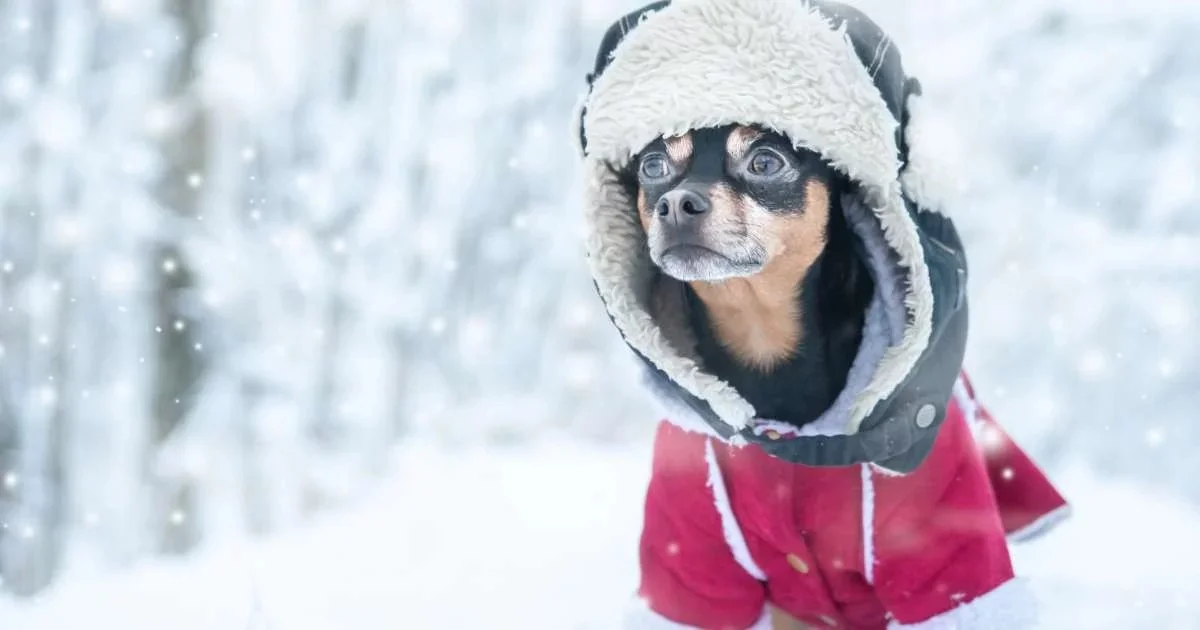
Winter brings unique challenges for dog owners. Cold temperatures, icy surfaces, and harsh weather conditions require special precautions to keep your canine companion safe and comfortable. This guide covers essential winter care practices for dogs of all sizes and coat types.
Understanding Cold Tolerance
Dogs vary significantly in cold tolerance based on size, coat type, age, and health. Most dogs start feeling uncomfortable below forty five degrees Fahrenheit. Small breeds, short haired dogs, puppies, seniors, and those with medical conditions need extra protection below thirty two degrees. Below twenty degrees, all dogs risk hypothermia and frostbite with prolonged exposure. Always monitor your dog's behavior for shivering, whining, or seeking shelter.
Protective Clothing and Gear
Winter coats benefit small breeds, short haired dogs, seniors, and puppies when temperatures drop below freezing. Choose coats that cover from neck to tail without restricting movement. Waterproof materials help keep dogs dry in snow. Dog booties protect paws from ice, salt, and chemicals. Ensure proper fit to prevent chafing and allow natural gait. Remove wet clothing promptly to prevent chilling.
Paw Care and Protection
Cold surfaces, ice melt, and deicing chemicals pose significant paw hazards. Trim hair between pads to prevent ice ball formation. Apply pet safe paw balm before walks to create a protective barrier. Wipe paws thoroughly after outdoor exposure to remove salt and chemicals that can cause irritation or toxicity if licked. Check between pads daily for cuts, ice, or irritation. Consider dog booties for extended walks on treated surfaces.
Indoor Exercise and Mental Stimulation
Reduced outdoor time requires creative indoor alternatives. Puzzle toys, scent games, and training sessions provide mental stimulation. Short indoor fetch games, stair exercises (for healthy dogs), and interactive play maintain physical activity. Maintain consistent routines to reduce winter stress and boredom related behaviors.
Health Monitoring During Winter
Cold weather can exacerbate arthritis and other health conditions. Watch for increased stiffness, reluctance to move, or changes in bathroom habits. Ensure adequate hydration as indoor heating dries the air. Maintain regular grooming to monitor skin and coat condition. Schedule veterinary checkups before winter to address any health concerns that might worsen in cold weather.