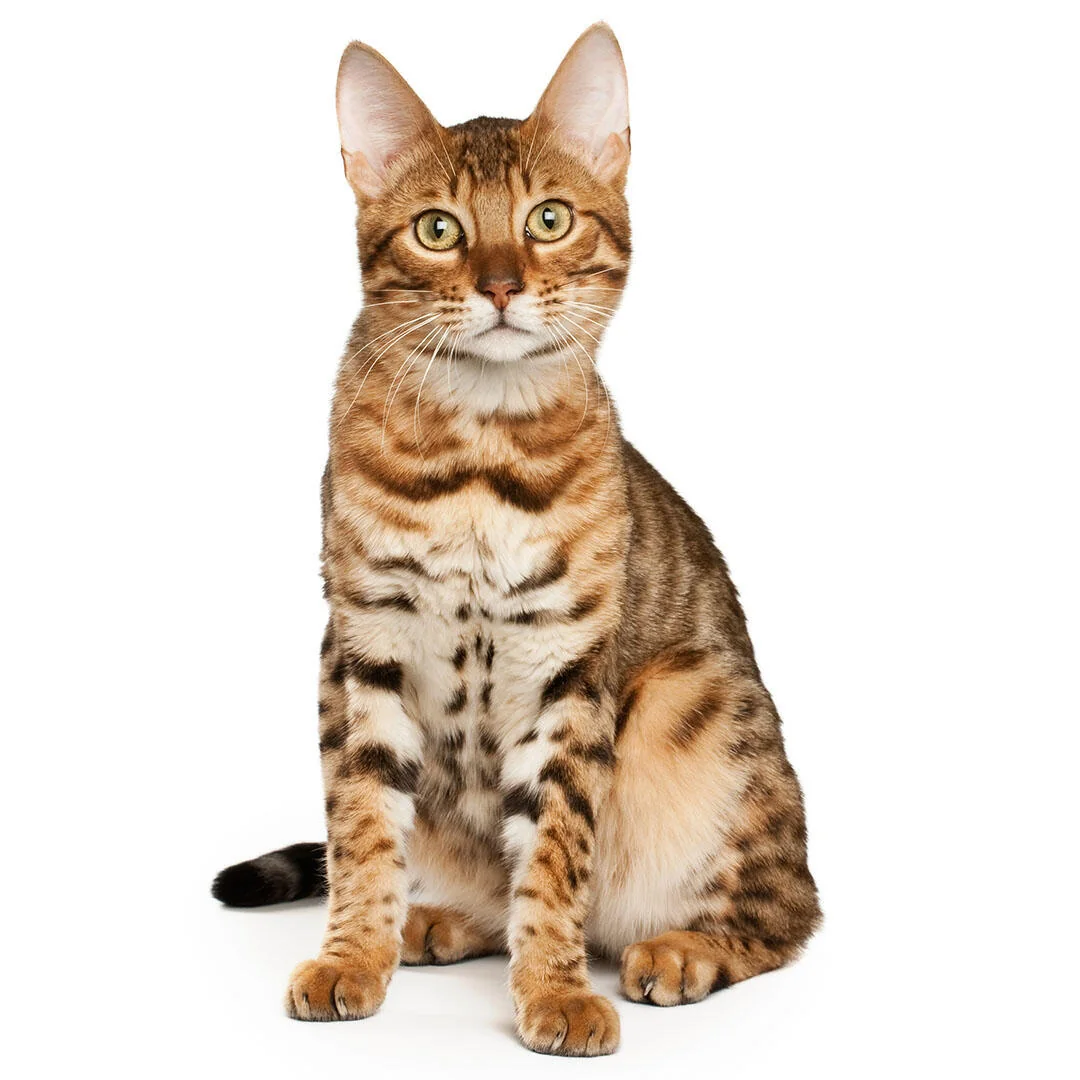
Proper litter box setup and maintenance are fundamental to feline health and household harmony. Most cats instinctively use litter boxes, but inappropriate elimination remains a leading cause of surrender to shelters. Understanding cat preferences, addressing medical issues, and creating optimal environments prevents and resolves elimination problems.
Essential Setup Guidelines
Follow the golden rule: one box per cat plus one extra. For a single cat household, provide two boxes. Place boxes in quiet, accessible locations away from food, water, and high traffic areas. Choose uncovered boxes large enough for your cat to turn around comfortably-many adult cats need storage container sized boxes. Fill with two to three inches of unscented, fine grained clumping litter.
Training Kittens and New Cats
Confine new kittens or cats to a small room with their litter box, food, water, and bedding. Show them the box upon arrival and after meals or naps. Praise successful use but never punish accidents. Gradually expand their access as they consistently use the box. For rescued cats with unknown history, assume they need retraining and provide multiple box options.
Maintenance Routine
Scoop waste at least once daily-many cats prefer twice daily cleaning. Completely change litter and wash boxes with mild soap weekly. Avoid ammonia based cleaners, as the smell resembles urine. Never use liners or hooded boxes unless medically necessary, as most cats dislike the crinkling sound and confined space.
Troubleshooting Elimination Issues
When accidents occur, first rule out medical causes with a veterinarian. Urinary tract infections, kidney disease, arthritis, and digestive issues commonly cause inappropriate elimination. If medical causes are excluded, evaluate litter box setup: location, cleanliness, number of boxes, and litter type. Stress from environmental changes, new pets, or household disruptions also triggers elimination problems.
Addressing Specific Behaviors
For cats eliminating beside the box, try larger boxes or different locations. For those avoiding boxes entirely, offer multiple litter types in separate boxes to identify preferences. Clean accidents thoroughly with enzymatic cleaners to remove odors that attract repeat marking. Never punish your cat, as this increases stress and worsens the problem.