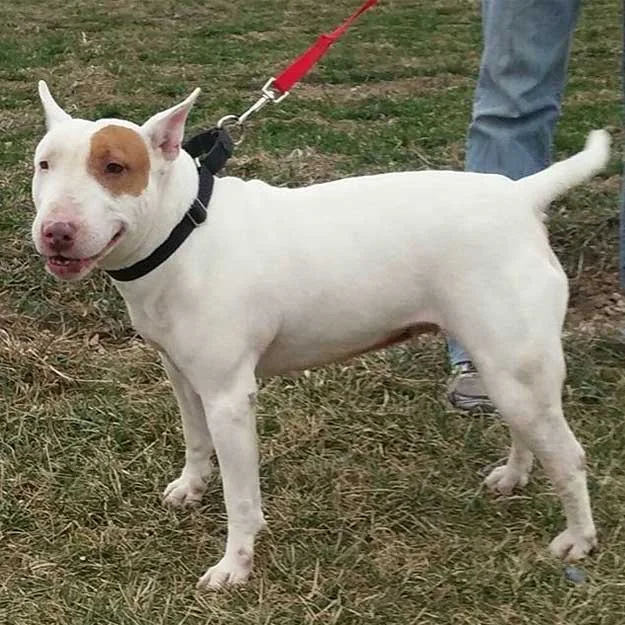
The liver performs over 1,000 necessary functions including detoxification, protein synthesis, and nutrient storage. Liver disease occurs when liver cells are damaged faster than they can regenerate. While serious, many liver conditions are manageable with early detection and appropriate treatment. This guide covers symptoms, causes, and management strategies.
Recognizing Liver Disease Symptoms
Early signs may be subtle: decreased appetite, occasional vomiting, or mild lethargy. As disease progresses, watch for increased thirst and urination, weight loss, diarrhea, jaundice (yellow tint to gums, eyes, or skin), abdominal swelling due to fluid accumulation, and bruising tendencies. Advanced cases may show neurological symptoms like disorientation, circling, or seizures due to toxin buildup.
Common Causes and Risk Factors
Liver disease can stem from infections (bacterial, viral, fungal), toxins (certain plants like sago palm, medications like acetaminophen, chemicals), cancer (primary or metastatic), congenital conditions like portosystemic shunts, chronic hepatitis, and metabolic disorders. Some breeds have genetic predispositions: Bedlington Terriers (copper storage disease), Doberman Pinschers (chronic hepatitis), and West Highland White Terriers (hepatitis).
Diagnostic Approach
Veterinarians use blood tests (liver enzyme levels, bile acids, bilirubin), imaging (ultrasound to assess liver size and structure), and sometimes biopsy to determine the cause and extent of liver damage. Additional tests may include clotting profiles, infectious disease screening, or specialized genetic testing for breed specific conditions.
Treatment and Management
Treatment depends on the underlying cause. Infections require appropriate antimicrobials. Toxins need decontamination and supportive care. Tumors may be surgically removed if possible. Congenital shunts often require surgical correction. Supportive care includes intravenous fluids, medications to reduce nausea and support liver function, and special diets low in copper and protein. Supplements like SAMe, milk thistle, or vitamin E may be recommended.
Long Term Prognosis and Care
Many dogs with liver disease maintain good quality of life with proper management. Regular monitoring through bloodwork helps track progression and adjust treatment. Avoid unnecessary medications or supplements that could stress the liver. Maintain consistent feeding schedules with prescribed diets. With early intervention and dedicated care, many dogs live months to years after diagnosis.