The Afghan Hound is genuinely low-shedding and well-tolerated by many allergy sufferers — but that coat advantage comes at a steep cost: several hours of dedicated brushing per week, without exception, or it mats irreversibly and must be shaved down. Their independent, aloof temperament is authentic sighthound character, not aloofness toward you specifically — they bond deeply but express it quietly. Strong prey drive means off-leash freedom is rarely safe, even with excellent training. This is a breed for owners drawn specifically to dignified independence, not constant interaction.
Breed Overview
- Afghan Hounds are elegant sighthounds known for their long, silky coat and dignified appearance
- They require extensive grooming with several hours of brushing needed each week
- Independent and aloof temperament makes them challenging but rewarding companions
- Need one to two hours of daily exercise in secure areas due to strong prey drive
- Considered hypoallergenic with minimal shedding and low dander production
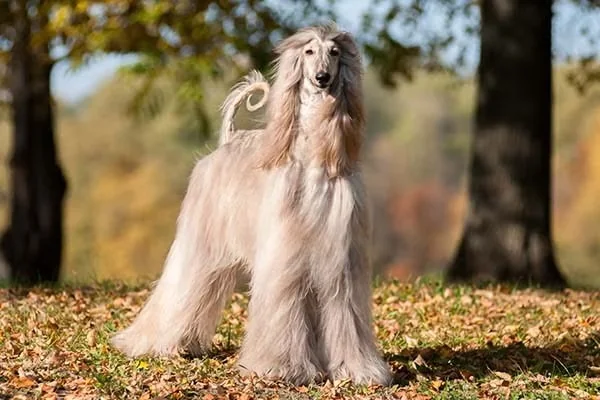
The Afghan Hound is one of the most visually striking and aristocratic breeds in the canine world. With their flowing silky coat, regal carriage, and distinctive topknot, these ancient sighthounds command attention wherever they go. But beneath the glamorous exterior lies a powerful, agile hunter built for endurance and speed in the harsh mountainous terrain of Afghanistan.
This full guide explores everything you need to know about the Afghan Hound, from their independent temperament and extensive grooming needs to their exercise requirements and potential health concerns. Whether you are considering adding an Afghan to your family or simply want to learn more about this remarkable breed, understanding their unique characteristics is essential.
| Height | 25 to 27 inches |
| Weight | 50 to 60 pounds |
| Life Expectancy | 12 to 14 years |
| Coat Type | Long, fine, silky |
| Colors | Any color or combination |
| Breed Group | Hound (Sighthound) |
Breed History and Origin
The Afghan Hound represents one of the oldest known dog breeds, with origins tracing back thousands of years to the cold, mountainous regions of Afghanistan. Some authorities maintain that the Afghan Hound may be the oldest purebred dog breed in existence, with ancient myths even suggesting that a pair of Afghan Hounds rode aboard Noah's Ark.
Originally known as Tazi in their native land, these dogs were bred by various tribes across Afghanistan to hunt large prey in harsh terrain. Their thick, silky coats provided protection from the bitter cold of high altitudes, while their powerful build and exceptional eyesight made them formidable hunters capable of pursuing game across punishing mountain landscapes.
Most modern Afghan Hounds trace their lineage to dogs brought to Great Britain in the early twentieth century, where they were refined and standardized. The breed was first recognized by the American Kennel Club in 1926, and their stunning appearance quickly made them favorites in the show ring.
Physical Characteristics
Afghan Hounds possess a unique and unmistakable appearance that combines elegance with athletic power. Standing 25 to 27 inches tall at the shoulder and weighing between 50 and 60 pounds, they are medium to large dogs with a lean, refined build.
The breed's most striking feature is undoubtedly their long, thick, fine coat that flows like silk. The hair is somewhat shorter on the back, creating what is known as the "saddle," while the face and muzzle have shorter hair. A distinctive topknot of long hair cascades around the face and ears, forming an essential aspect of the Afghan's stately appearance.
Afghan Hounds come in virtually any color or combination of colors. Common colors include black, cream, red, silver, white, blue, and brindle. Markings such as domino patterns and black masks are also seen in the breed.
One unique physical characteristic is their prominent hipbones, which protrude noticeably. This is a normal breed trait, not a sign of being underweight. Their deep chest, long legs, and large paw pads that act as shock absorbers all reflect their heritage as endurance hunters in rough terrain.
Temperament and Personality
The Afghan Hound temperament is best described as dignified, aloof, and independent. These dogs carry themselves with an aristocratic bearing and tend to be reserved around strangers. They are not typically outgoing or immediately friendly when meeting new people, preferring to observe situations carefully before engaging on their own terms.
Despite their aloof exterior, Afghan Hounds form deep, loyal bonds with their families. They are affectionate and devoted to those they trust, often showing an endearing streak of silliness and clownish behavior in the comfort of their home. This loyalty can be so strong that adult Afghans may struggle to adjust to new homes if rehomed.
As sighthounds bred for independent hunting, Afghan Hounds possess a strong prey drive and an independent nature that can make them seem stubborn or self willed. They are intelligent dogs but not necessarily eager to please, which affects their trainability. They tend to be quiet dogs with a low tendency to bark, making them unsuitable as watchdogs.
Afghan Hounds can do well with children and other pets when properly socialized from an early age. However, their strong prey drive means they may chase smaller animals, and their independent nature requires supervision around young children. They do best in homes with older children who understand how to interact respectfully with dogs.
Exercise Requirements
Afghan Hounds are athletic, high energy dogs that require substantial daily exercise. They need at least one to two hours of physical activity each day to stay healthy and happy. This should include long walks or jogs, as well as opportunities to run at full speed.
As sighthounds with powerful hunting instincts, Afghan Hounds should never be walked off leash in unfenced areas. Their prey drive is so strong that even well trained dogs will break off in pursuit of perceived prey, ignoring recall commands. A securely fenced yard with a high fence is essential, as Afghans are excellent jumpers capable of clearing surprisingly high barriers.
Ideally, Afghan Hounds should have the opportunity to run full out several times per week in a large, enclosed area. They excel at dog sports that utilize their natural abilities, such as lure coursing, agility, and tracking. These activities provide both physical exercise and mental stimulation.
Despite their need for vigorous exercise, Afghan Hounds are typically calm and relaxed indoors once their exercise needs are met. They enjoy lounging comfortably with their families after a good run or walk.
Grooming and Coat Care
The Afghan Hound's glorious coat is both their crowning glory and their most demanding care requirement. This is unequivocally a high maintenance breed when it comes to grooming. If you want to keep an Afghan in full coat, be prepared to invest several hours each week in brushing and maintenance.
The long, fine, silky coat requires brushing multiple times per week to prevent tangles and mats. According to the Afghan Hound Club of America, these dogs need a few hours of brushing each week. Regular brushing distributes healthy oils throughout the coat, removes debris, and prevents snarls from developing into painful mats.
Afghan Hounds should be bathed regularly with quality shampoo and conditioner to keep their coat clean and healthy. Never brush a dry or dirty coat, as this can damage the hair. Always bathe before grooming.
The long hair around their ears makes Afghan Hounds prone to ear infections, so ears must be checked and cleaned regularly. Many owners tie the hair on their dog's head up in a topknot to prevent it from getting into food or trapping bacteria around the ears.
Afghan puppies have short, fuzzy coats with adorable facial hair called "monkey whiskers" that require minimal maintenance. However, this changes dramatically as they mature, and it is important to acclimate Afghan puppies to bathing, blow drying, and grooming routines from an early age.
Many Afghan Hound owners work with professional groomers to maintain their dog's coat, especially if showing or keeping the coat in show condition. Regular nail trimming and dental care are also important aspects of overall grooming.
Training and Socialization
Training an Afghan Hound requires patience, consistency, and creativity. These intelligent but independent dogs are not naturally eager to please, which can make training challenging. They respond best to positive reinforcement techniques and rewards, particularly food treats.
You need to be more clever than your Afghan Hound, tricking them into thinking training is their idea, then providing immediate rewards for reinforcement. Harsh methods or punishment will not work with this sensitive breed and may damage your relationship.
Early socialization is essential for Afghan Hound puppies. Expose them to various people, animals, environments, and sounds from a young age to help them develop into well adjusted adults. This helps establish tolerance to new stimuli and reduces the likelihood of excessive timidity or fearfulness.
Unless you plan to compete in obedience or agility trials, most Afghan Hound owners find it sufficient to teach basic commands such as come, sit, and stay. Housetraining is generally straightforward because Afghans want to please their owners in this area. However, no amount of training will completely overcome the breed's powerful hunting instinct to chase.
Consistency is key when training an Afghan Hound. Short, positive, and consistent training sessions work best. Focus on priorities like reliable recall (though it may not hold when prey is spotted), loose leash walking, and impulse control.
Health Concerns
Afghan Hounds are generally healthy dogs, especially when bred responsibly. However, like all purebred dogs, they are prone to certain health conditions. Responsible breeders test their breeding stock for hip dysplasia, eye conditions, and thyroid issues to reduce the risk of passing these problems to offspring.
Common health issues in Afghan Hounds include:
- Hip Dysplasia: An orthopedic condition affecting hip joint stability and function
- Hypothyroidism: A condition where the thyroid gland does not produce enough hormones, potentially causing weight gain and other symptoms
- Juvenile Cataracts: Opacity of the eye lens that can cause vision loss
- Allergies: Afghan Hounds can suffer from both food and environmental allergies, causing skin irritation or digestive issues
- Demodectic Mange: A skin disease caused by mites, resulting in hair loss
- Von Willebrand Disease: A bleeding disorder affecting blood clotting ability
Chylothorax: This rare condition occurs more frequently in Afghan Hounds than in other breeds. It happens when chyle, a milky lymphatic fluid, leaks into the chest cavity, putting pressure on the heart and lungs and causing breathing problems. Feeding a low fat diet may help reduce risk.
Gastric Dilation Volvulus (Bloat): Like other deep chested breeds, Afghan Hounds are at risk for bloat, a life threatening condition where the stomach expands with gas and may twist. This is a medical emergency requiring immediate veterinary care. To help prevent bloat, avoid intense activity around mealtimes, feed smaller meals, and consider preventive gastropexy surgery during spay or neuter.
Afghan Hounds are also sensitive to anesthesia due to their naturally low body fat stores as sighthounds. Always seek a veterinarian experienced with sighthounds for surgical procedures.
Nutrition and Feeding
Afghan Hounds should be fed a high quality, well balanced dog food appropriate for their age, whether commercially manufactured or home prepared under veterinary supervision. Adult Afghans typically do well on two meals per day on a consistent schedule.
Because of their deep chest and risk of bloat, it is important to prevent Afghan Hounds from eating too quickly. Monitor meal times and consider using slow feed bowls if your dog tends to gulp food. Wait at least one hour after eating before allowing vigorous exercise.
Despite their lean appearance, Afghan Hounds are athletic, active dogs that need adequate nutrition to meet their energy needs. Their protruding hipbones are a normal breed characteristic, not a sign of being underweight. However, always monitor your dog's body condition and consult your veterinarian if you have concerns about weight or diet.
Fresh, clean water should be available at all times. Discuss with your veterinarian whether a low fat diet might be beneficial, particularly if there is concern about chylothorax.
Is an Afghan Hound Right for You?
The Afghan Hound is not the right breed for every dog owner. They are best suited for experienced dog owners who understand and appreciate their independent nature and are prepared for their extensive grooming needs.
An Afghan Hound may be right for you if you:
- Have time and patience for several hours of weekly grooming
- Can provide secure, fenced areas for exercise
- Appreciate an independent, dignified companion
- Have experience with training strong willed breeds
- Lead an active lifestyle and enjoy outdoor activities
- Understand and respect the breed's prey drive
- Have older children or no children
An Afghan Hound may not be right for you if you:
- Want an eager to please, highly trainable dog
- Cannot commit to extensive grooming requirements
- Live in an apartment without access to secure exercise areas
- Need a reliable off leash companion
- Want a protective watchdog
- Have very young children or small pets
- Prefer a low maintenance breed