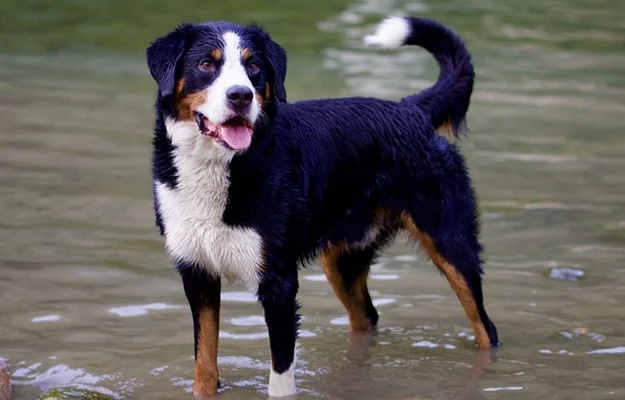

The Bernese Mountain Dog is one of the most loyal, gentle, and family-devoted breeds in existence — and one of the most heartbreaking to love. Berners have one of the highest cancer rates of any breed and one of the shortest lifespans: the average is just 6–8 years, with cancer accounting for the majority of deaths. This is not a reason not to get one — but it is a reality to enter knowingly. Owners who go in with eyes open tend to be more proactive about health screening, make the most of every year, and handle end-of-life decisions with greater peace.
- Breed History and Origins
- Temperament and Personality
- Size and Physical Characteristics
- Exercise Needs and Activity Requirements
- Grooming and Shedding Management
- Training and Socialisation
- Health Issues and Lifespan
- Nutrition and Feeding Guidelines
- Price and Cost of Ownership
- Is the Bernese Mountain Dog Right for You?
The Bernese Mountain Dog, known affectionately as the Berner, is a large, striking working breed with a characteristic tricolour coat of jet black, rust, and white. Originally developed in the Swiss canton of Bern as an all-purpose farm dog, the Bernese Mountain Dog is today celebrated for its gentle temperament, deep loyalty, and remarkable adaptability as a family companion. This in-depth breed guide covers everything prospective owners need to know before bringing a Berner home, from bernese mountain dog temperament and bernese mountain dog size to bernese mountain dog health issues and bernese mountain dog grooming requirements.
Bernese Mountain Dog Breed History and Origins
The Bernese Mountain Dog is one of four Swiss Mountain Dog breeds, collectively known as Sennenhunds. The breed descends from mastiff-type dogs brought to Switzerland by Roman soldiers over 2,000 years ago, which crossed with local herding and guarding breeds over generations. In the canton of Bern, these dogs were bred specifically as versatile farm workers - driving dairy cattle, pulling carts loaded with goods to market, and guarding farms in the Swiss Alps.
By the late 19th century, the breed had declined sharply due to competition from newer dog breeds and farm mechanization. Professor Albert Heim, a Swiss geologist and passionate dog fancier, worked to revive and standardize the breed in the early 1900s, establishing the first breed club in 1907. The Bernese Mountain Dog was recognized by the AKC in 1937 and has grown steadily in popularity since, now consistently ranking among the most popular large breeds in the United States.
Bernese Mountain Dog Temperament and Personality
The bernese mountain dog temperament is widely regarded as one of the most good-natured among large breeds. The breed standard describes the ideal Berner as self-confident, attentive, and good-natured - neither aggressive nor shy. In practice, this translates to a dog that is devoted to its family, patient and gentle with children, and typically welcoming of familiar guests while maintaining a calm watchfulness with strangers.
Understanding bernese mountain dog personality helps prospective owners prepare for life with this gentle giant. Berners form powerful bonds with their immediate family and prefer to be in the presence of their people. They do not thrive when left alone for extended periods, making them better suited to households where someone is home much of the day.
Loyal and Family-Oriented
Berners form powerful bonds with their immediate family and prefer to be in the presence of their people. They do not thrive when left alone for extended periods.
Excellent with Children
Their patient, gentle nature makes them outstanding family dogs. Supervision is still recommended given their size - an enthusiastic Berner can accidentally knock over a small child.
Good with Other Pets
Most Berners get on well with other dogs and household pets when properly socialized from puppyhood. Early positive introductions are key.
Intelligent but Sensitive
Berners are trainable and eager to please, but respond very poorly to harsh corrections. Positive reinforcement methods consistently produce the best results.
Cold Weather Enthusiasts
Their thick double coat makes them ideally suited to cold climates. In hot or humid weather, exercise must be limited and shade and water provided freely.
Late to Mature
Berners are slow to mature both physically and mentally - most are not fully adult in temperament until age 2 to 3. The puppy phase is extended but rewarding.
Bernese Mountain Dog Size and Physical Characteristics
Understanding bernese mountain dog size helps owners prepare appropriate living arrangements, equipment, and care routines. Adult Bernese Mountain Dogs typically stand 23 to 27.5 inches at the shoulder and weigh between 70 and 115 pounds, with males generally larger than females. This substantial size requires sturdy leashes, harnesses, crates, and beds designed for large breeds.
The breed's distinctive tricolour coat - jet black with clear white and rust markings - is both beautiful and functional. The thick, moderately long double coat provides excellent insulation in cold weather but requires consistent grooming to manage shedding and prevent matting. Bernese mountain dog colors are strictly defined by breed standards, with the classic tricolor pattern being the only accepted combination.
Bernese Mountain Dog Exercise Needs and Activity Requirements
Despite their large size, Bernese Mountain Dogs have moderate exercise needs rather than the high demands of breeds like Border Collies or Huskies. Adults benefit from 30 to 60 minutes of daily exercise - a combination of brisk walking, off-leash play, and mental stimulation activities such as nose work, obedience training, or draft work (Berners historically pulled carts and can be trained for this as a sport).
Importantly, bernese mountain dog puppies under 18 months should have strictly limited high-impact exercise. The Berner's large, rapid skeletal growth makes joints vulnerable to damage from repetitive impact during development. Avoid running on hard surfaces, forced distance walks, and high jumps until growth plates close - typically around 18 months. Short, frequent play sessions on soft ground are appropriate for puppies.
Heat Sensitivity Is a Real Risk In hot or humid weather (above 75°F/24°C), exercise Bernese Mountain Dogs in the early morning or late evening only. Their dense double coat provides excellent insulation in cold weather but makes heat dissipation difficult. Never leave a Berner in a parked car, and provide unlimited access to fresh water and shade. Watch for signs of overheating: excessive panting, drooling, lethargy, or difficulty breathing.
Bernese Mountain Dog Grooming and Shedding Management
The Bernese Mountain Dog has a thick, moderately long double coat - a dense undercoat beneath a longer, slightly wavy or straight outer coat. The coat is strikingly beautiful but requires consistent maintenance to manage shedding and prevent matting. Understanding bernese mountain dog grooming and bernese mountain dog shedding patterns helps owners maintain their dog's comfort and appearance.
- Brushing: Brush the full coat 2-3 times per week minimum, daily during shedding seasons (spring and autumn). A slicker brush for the outer coat and a rake or undercoat comb for the dense undercoat are both necessary tools.
- Bathing: Every 6-8 weeks, or as needed. The dense coat takes considerable time to dry fully - a high-velocity dryer speeds the process significantly and removes additional loose undercoat.
- Shedding: Berners shed year-round with two major seasonal blowouts. During peak shedding, daily brushing and a deshedding tool significantly reduce hair throughout the home.
- Nails: Trim every 3-4 weeks. Long nails affect gait and joint alignment - particularly important in a breed already predisposed to joint problems.
- Ears: Check and clean weekly. The drop ears trap moisture and warmth, creating conditions suitable for yeast and bacterial infections.
Bernese Mountain Dog Training and Socialization
Berners are moderately easy to train - they are intelligent, people-pleasing, and responsive to positive reinforcement. Their sensitivity means that harsh words, punishment, or confrontational methods are counterproductive and can cause lasting behavioral setbacks. A Berner that is shouted at or corrected harshly often shuts down and becomes reluctant to engage.
Begin socialization and basic obedience from the first day home (typically 8-10 weeks). Puppy socialization classes provide structured exposure to other dogs, people, surfaces, and environments during the critical window. Basic commands (sit, down, stay, come, leave it) should be reliable before the puppy reaches its full size - a 110-pound Berner that pulls on leash or jumps on guests is a major management challenge.
Berners excel in several canine sports and activities: obedience, rally, agility (at an appropriate age), carting and drafting, therapy dog work, and search and rescue.
Bernese Mountain Dog Health Issues and Lifespan Considerations
The Bernese Mountain Dog faces considerable health challenges compared to many breeds, largely due to a historically limited gene pool. Understanding bernese mountain dog health issues and bernese mountain dog lifespan helps prospective owners prepare emotionally and financially for responsible ownership.
| Condition | Prevalence | Key Signs | Management |
|---|---|---|---|
| Hip & Elbow Dysplasia | High | Lameness, stiffness, reluctance to exercise, pain on joint manipulation | Weight management, physiotherapy, NSAIDs, surgical options. OFA/PennHIP screening in parents essential. |
| Cancer (multiple types) | Very High | Varies by type. Lumps, weight loss, lethargy, lameness, swollen lymph nodes | Early detection critical. Histiocytic sarcoma is disproportionately common in the breed. Annual examinations important. |
| Bloat / GDV | Moderate | Distended abdomen, unproductive retching, restlessness, collapse | Emergency surgery. Prophylactic gastropexy during spay/neuter significantly reduces lifetime risk. This is a life-threatening emergency. |
| Von Willebrand's Disease | Moderate | Excessive bleeding after injury or surgery, spontaneous nosebleeds | DNA testing available. Breeding dogs should be tested. Inform vet before any surgical procedure. |
| Progressive Retinal Atrophy (PRA) | Lower | Gradual vision loss, especially in low light. Night blindness progressing to full blindness. | DNA testing available (PRCD-PRA). No treatment but affected dogs adapt well to their environment. |
| Degenerative Myelopathy | Moderate | Progressive weakness and ataxia in hindlimbs, eventual paralysis | DNA test available. Physiotherapy and supportive care slow progression. No cure currently available. |
The Cancer Problem in Berners Research indicates that approximately 50-60% of Bernese Mountain Dog deaths are cancer-related, which is significantly higher than the general dog population. Histiocytic sarcoma - a cancer of immune cells - is almost unique in its prevalence in this breed. This is the primary driver of the breed's relatively short 7-10 year lifespan. Owners should learn to perform regular lymph node checks (under the jaw, in front of the shoulders, behind the knees) and report any swellings, lumps, or unexplained weight loss to their vet promptly.
Bernese Mountain Dog Nutrition and Feeding Guidelines
Nutritional needs shift as Berners age — our senior dog care guide covers health monitoring and diet adjustments for large breed seniors. Adult Bernese Mountain Dogs typically eat 3-5 cups of high-quality dry food per day, divided into two meals. Feeding twice daily (rather than once) reduces bloat risk. Choose a food formulated for large breeds - these have calcium-to-phosphorus ratios optimized to support healthy bone development and avoid the accelerated growth that contributes to orthopedic problems. Puppies should be fed a large-breed puppy formula to control growth rate.
Weight management is particularly important in this breed. Even modest excess weight significantly worsens joint disease progression and is associated with increased cancer risk. You should be able to feel your Berner's ribs with light pressure but not see them - if ribs are not palpable, the dog is overweight.
Bernese Mountain Dog Price and Cost of Ownership
Understanding bernese mountain dog price helps prospective owners budget responsibly. Puppies from reputable, health-testing breeders typically cost between $1,500 and $3,500 in the United States. This cost reflects the extensive health testing, quality nutrition for breeding dogs, veterinary care, and selective breeding practices that responsible breeders maintain.
Beyond the initial purchase price, prospective owners should budget for ongoing costs including high-quality food (substantial for a 100+ pound dog), regular grooming supplies or professional grooming services, preventive veterinary care, training classes, and an emergency fund for potential orthopedic or cancer treatment costs. Pet insurance designed for large breeds can help manage unexpected veterinary expenses.
Is the Bernese Mountain Dog Right for Your Family?
The Bernese Mountain Dog is an exceptional breed for the right household - patient, devoted, stunning in appearance, and deeply rewarding as a companion. However, prospective owners must honestly assess several factors. Reading our guide on knowing when to say goodbye before a crisis is wisdom, not pessimism — Berner owners who do are more at peace when the time comes. Beyond that,: space (Berners do best with a garden or yard), climate (hot climates require meaningful management), time commitment (grooming, training, exercise, veterinary care), financial readiness for potentially clear veterinary bills, and emotional preparedness for a shorter lifespan than most large breeds.
Reputable breeders health-test both parents for hip dysplasia (OFA or PennHIP), elbow dysplasia (OFA), cardiac disease, and DNA tests for DM, PRA, and von Willebrand's. Avoid purchasing from breeders who cannot produce health clearances for both parents. Consider adoption through breed-specific rescue organizations as an alternative to purchasing from a breeder.