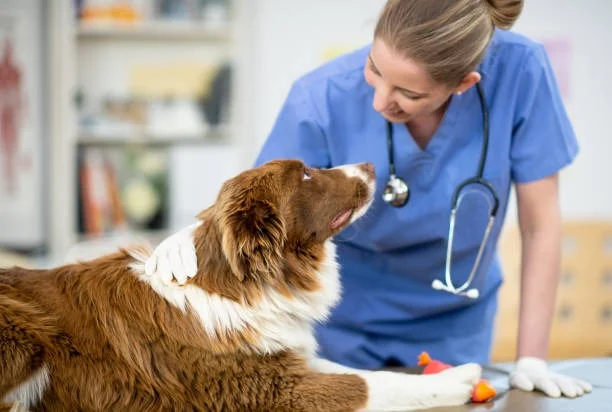

The most important distinction in canine GI issues is acute versus chronic: a single episode of vomiting or diarrhea after scavenging something is usually self-limiting, while symptoms persisting beyond 24–48 hours, recurring repeatedly, or appearing alongside lethargy, blood, or weight loss signal something that needs veterinary diagnosis. Bloat (gastric dilation-volvulus) is the most urgent GI emergency — a distended, hard abdomen with unproductive retching requires immediate emergency care, no exceptions. For chronic GI disease, diet trials and elimination protocols are often more diagnostic than any single test.
- Understanding the Canine Digestive System
- Recognizing GI Symptoms in Dogs
- Acute versus Chronic GI Disease
- Common Gastrointestinal Conditions
- Breed Predispositions to GI Disease
- How Veterinarians Diagnose GI Problems
- Treatment Approaches
- Home Care and Monitoring
- Emergency Warning Signs
- Prevention Strategies
- Long Term Management of Chronic GI Disease
- Frequently Asked Questions
Digestive problems rank among the most common reasons dog owners seek veterinary care. Whether it is a single episode of vomiting after scavenging something questionable or chronic diarrhea that persists for weeks, gastrointestinal issues in dogs can range from minor inconveniences to life threatening emergencies. Understanding the difference between routine upset stomach and serious digestive disease is essential for every dog owner.
This full guide covers the full spectrum of canine gastrointestinal disorders, from acute gastroenteritis and dietary indiscretion to chronic conditions like inflammatory bowel disease and pancreatitis. You will learn to recognize warning signs, understand diagnostic approaches, explore treatment options including dietary management and medications, and most importantly, know when your dog needs immediate veterinary attention.
Understanding the Canine Digestive System
The gastrointestinal tract is a complex system that extends from the mouth to the anus, including the esophagus, stomach, small intestine, large intestine (colon), rectum, and accessory organs like the liver, pancreas, and gallbladder. Each component plays a specific role in digestion, nutrient absorption, and waste elimination.
When any part of this system becomes inflamed, infected, obstructed, or otherwise compromised, clinical signs develop. The location and nature of the problem determine the specific symptoms your dog exhibits. Small intestinal disease typically causes weight loss, decreased appetite, and large volume diarrhea, while large intestinal disease more commonly produces frequent small volume diarrhea with mucus or fresh blood.
Recognizing Gastrointestinal Symptoms in Dogs
Gastrointestinal disease manifests through a variety of clinical signs. Some symptoms are obvious and alarming, while others are subtle and easy to dismiss. The key is recognizing patterns and understanding when symptoms warrant veterinary attention.
Vomiting and Regurgitation
Vomiting involves active abdominal contractions and expulsion of stomach contents. Regurgitation is passive and typically indicates esophageal disease. Both require attention if persistent.
Diarrhea
Changes in stool consistency, frequency, or content. May be small bowel (large volume, weight loss) or large bowel (frequent, small volume, mucus, blood) in origin.
Appetite Changes
Decreased appetite (hyporexia) or complete anorexia. Some dogs show increased appetite but still lose weight due to malabsorption.
Abdominal Pain
Dogs may show hunched posture, whining, restlessness, or prayer position (front end down, rear end up). Some become aggressive when abdomen is touched.
Lethargy and Weakness
Decreased energy, reluctance to move, or unusual sleepiness often indicates systemic illness or dehydration from GI disease.
Weight Loss
Unintentional weight loss despite normal or increased appetite suggests chronic malabsorption or maldigestion disorders.
Additional symptoms to monitor
- Excessive gas (flatulence): While some gas is normal, excessive or particularly foul smelling gas can indicate dietary issues, malabsorption, or bacterial overgrowth.
- Excessive drooling: Nausea often causes hypersalivation and frequent lip licking before vomiting episodes.
- Dehydration: Check skin tent (skin should snap back quickly when gently lifted), gum moisture, and eye position. Sunken eyes and dry sticky gums indicate dehydration.
- Bloody stool or vomit: Bright red blood indicates lower GI bleeding, while black tarry stool (melena) or coffee ground vomit suggests upper GI bleeding.
- Constipation: Straining to defecate, producing small hard stools, or no stool production can indicate obstruction or other serious conditions.
Acute versus Chronic Gastrointestinal Disease
One of the first distinctions veterinarians make is whether the condition is acute or chronic, as this guides diagnostic and treatment decisions.
Acute Gastrointestinal Disease
Acute gastroenteritis develops suddenly and typically lasts less than two to three weeks. Common causes include:
- Dietary indiscretion: Eating garbage, table scraps, or sudden diet changes
- Viral infections: Parvovirus, distemper, coronavirus
- Bacterial infections: Salmonella, Campylobacter, Clostridium
- Parasites: Roundworms, hookworms, whipworms, Giardia
- Toxin ingestion: Plants, chemicals, human medications
- Foreign body obstruction: Toys, bones, fabric, or other indigestible objects
Chronic Gastrointestinal Disease
Chronic enteropathy persists for three weeks or longer and often requires extensive diagnostic workup. Common causes include:
- Inflammatory bowel disease (IBD): Chronic inflammation of the intestinal lining
- Food allergies or intolerances: Immune reaction to dietary proteins
- Exocrine pancreatic insufficiency (EPI): Inability to produce digestive enzymes
- Chronic pancreatitis: Ongoing pancreatic inflammation
- Intestinal lymphoma: Cancer of the intestinal lymphatic tissue
- Small intestinal bacterial overgrowth (SIBO): Abnormal bacterial populations
Common Gastrointestinal Conditions in Dogs
Acute Gastroenteritis
Sudden inflammation of the stomach and intestines causing vomiting and diarrhea. Often self limiting but can become severe, especially in puppies.
Inflammatory Bowel Disease (IBD)
Chronic condition characterized by persistent inflammation of the gastrointestinal tract. Requires long term management with diet and medications.
Pancreatitis
Inflammation of the pancreas that can be acute or chronic. Often triggered by high fat meals and can be life threatening.
Gastric Dilatation-Volvulus (Bloat/GDV)
Life threatening emergency where the stomach fills with gas and twists. Requires immediate surgical intervention — see our emergency vet signs guide for full triage guidance.
Intestinal Parasites
Roundworms, hookworms, whipworms, tapeworms, Giardia, and coccidia can all cause digestive upset.
Food Allergies and Intolerances
Adverse reactions to dietary proteins (commonly chicken, beef, dairy) causing chronic GI signs and often skin issues.
Hemorrhagic Gastroenteritis (HGE)
Sudden onset of bloody diarrhea and vomiting, most common in small breed dogs. Can cause rapid dehydration and shock.
Exocrine Pancreatic Insufficiency (EPI)
Pancreas fails to produce adequate digestive enzymes, leading to malabsorption. Common in German Shepherds.
Breed Predispositions to GI Disease
Certain breeds show increased susceptibility to specific gastrointestinal conditions:
- German Shepherds: High risk for exocrine pancreatic insufficiency (EPI) and inflammatory bowel disease
- Deep chested breeds (Great Danes, Weimaraners, Standard Poodles): Prone to gastric dilatation volvulus (bloat)
- Small breeds (Yorkshire Terriers, Miniature Schnauzers): Higher risk of pancreatitis and hemorrhagic gastroenteritis
- Boxers and French Bulldogs: Increased incidence of histiocytic ulcerative colitis
- Soft Coated Wheaten Terriers: Predisposed to protein losing enteropathy and nephropathy
- Basenjis: Can develop immunoproliferative enteropathy
How Veterinarians Diagnose Gastrointestinal Problems
Accurate diagnosis requires a systematic approach combining history, physical examination, and diagnostic testing. The specific tests chosen depend on whether the condition is acute or chronic, severity of symptoms, and initial findings.
Initial diagnostic steps
- Detailed history: Your veterinarian will ask about diet, recent changes, access to garbage or toxins, vaccination status, deworming history, symptom duration and frequency, and response to any home treatments.
- Physical examination: Assessment of hydration status, abdominal palpation for pain or masses, evaluation of body condition, temperature check, and examination of stool if available.
- Fecal examination: Microscopic evaluation for parasites, fecal flotation, Giardia antigen testing, and possibly fecal culture for bacterial pathogens.
Bloodwork and laboratory tests
- Complete blood count (CBC): Evaluates red and white blood cells for anemia, infection, inflammation, and dehydration
- Serum biochemistry profile: Assesses organ function (liver, kidneys), electrolyte balance, protein levels, and pancreatic enzymes
- Specific pancreatic tests: Canine pancreatic lipase immunoreactivity (cPLI) for pancreatitis diagnosis
- Cobalamin (B12) and folate levels: Help identify small intestinal disease and malabsorption
- Trypsin like immunoreactivity (TLI): Diagnostic test for exocrine pancreatic insufficiency
Imaging studies
- Abdominal radiographs (X rays): Can identify foreign bodies, obstructions, masses, organ enlargement, and free air or fluid
- Abdominal ultrasound: Provides detailed evaluation of intestinal wall thickness, layering, motility, and can guide fine needle aspirates or biopsies
- Contrast studies: Barium series can reveal obstructions, ulcers, or motility disorders
Advanced diagnostic procedures
- Endoscopy: Allows direct visualization of the stomach and intestines and enables biopsy collection without surgery
- Exploratory surgery: Full thickness intestinal biopsies and evaluation for conditions not visible on imaging
- Food elimination trial: Eight to twelve week trial with novel or hydrolyzed protein diet to diagnose food allergies
Treatment Approaches for Canine GI Issues
Treatment depends entirely on the underlying cause, severity of symptoms, and whether the condition is acute or chronic. What works for simple gastroenteritis will not address inflammatory bowel disease or pancreatitis.
Supportive care for acute cases
Mild acute gastroenteritis often resolves with supportive care:
- Fluid therapy: Subcutaneous or intravenous fluids to correct dehydration and electrolyte imbalances
- Anti emetics: Medications like maropitant (Cerenia) or ondansetron to control vomiting
- Gastroprotectants: Famotidine, omeprazole, or sucralfate to protect the stomach lining and reduce acid
- Pain management: Appropriate analgesics for abdominal discomfort
- Temporary fasting: 12 to 24 hour rest period for the gastrointestinal tract (not appropriate for puppies or small breeds)
Bland diet and nutritional management
Dietary management is fundamental to treating gastrointestinal disease. A bland diet consists of easily digestible, low fat, low fiber foods.
Homemade Bland Diet Recipe The traditional bland diet combines boiled white rice with boiled, skinless, boneless chicken breast in a 2:1 ratio (two parts rice to one part chicken). Feed small frequent meals (four to six times daily) initially, then gradually transition back to regular food over five to seven days. Do not add seasonings, oils, or butter.
Commercial gastrointestinal diets offer balanced nutrition with strengthened digestibility:
- Veterinary therapeutic diets: Prescription foods like Hill's i/d, Royal Canin Gastrointestinal, or Purina EN are formulated for optimal digestibility and nutrient absorption.
- Novel protein diets: For suspected food allergies, diets containing unusual proteins like venison, duck, kangaroo, or hydrolyzed proteins
- Low fat diets: Essential for pancreatitis management and prevention of recurrence
- High fiber diets: Beneficial for large bowel diarrhea and certain conditions like colitis
Probiotics and gut health support
Probiotics introduce beneficial bacteria that can help restore normal gut flora disrupted by illness, antibiotics, or stress.
- Proven strains: Look for products containing Enterococcus faecium, Bifidobacterium, or Lactobacillus species
- Prebiotics: Fibers like FOS (fructooligosaccharides) that feed beneficial bacteria
- Timing: Administer probiotics at least two hours apart from antibiotics
Medications for specific conditions
- Antibiotics: Metronidazole, tylosin, or amoxicillin for bacterial infections or antibiotic responsive diarrhea
- Antiparasitics: Fenbendazole, praziquantel, pyrantel, or specific medications for Giardia
- Anti inflammatories: Corticosteroids like prednisone for IBD (not for infectious causes)
- Immunosuppressants: Azathioprine or cyclosporine for severe IBD cases
- Pancreatic enzymes: Supplementation for EPI mixed with food
- Cobalamin (B12) supplementation: For dogs with documented deficiency
Emergency and surgical interventions
Certain conditions require immediate surgical intervention:
- Gastric dilatation volvulus (GDV): Emergency surgery to untwist the stomach and perform gastropexy to prevent recurrence
- Foreign body obstruction: Surgical removal of objects causing blockage
- Intestinal intussusception: Surgical correction of telescoped intestine
- Severe hemorrhagic gastroenteritis: Aggressive IV fluid therapy and hospitalization
Home Care and Monitoring
Successful management of gastrointestinal disease often requires diligent home care and monitoring. Your involvement in tracking symptoms and following treatment protocols significantly impacts outcomes.
What to monitor at home
- Vomiting frequency: Note timing, content (food, bile, blood), and relation to meals
- Bowel movements: Track frequency, consistency (use a stool chart), presence of blood or mucus, and volume
- Appetite: Record food intake and any changes in eating behavior
- Water consumption: Increased thirst can indicate dehydration or underlying disease
- Energy level: Note lethargy, weakness, or changes in activity
- Body weight: Weigh weekly for chronic conditions to detect subtle weight loss
- Abdominal comfort: Watch for signs of pain, bloating, or discomfort
Keep a Symptom Diary Document daily symptoms, food intake, medications given, and any potential triggers. Include photos of vomit or stool if abnormal. This information proves invaluable during veterinary rechecks and helps identify patterns that guide treatment adjustments.
When to contact your veterinarian
- Vomiting or diarrhea persists beyond 24 hours
- Your dog cannot keep water down
- Symptoms worsen despite home care
- New symptoms develop
- Your dog appears painful or distressed
- You notice considerable weight loss
- Medications cause adverse reactions
Emergency Warning Signs: When to Seek Immediate Care
Certain gastrointestinal symptoms constitute true emergencies requiring immediate veterinary attention. Delaying care can be fatal.
Go to Emergency Vet Immediately If You See:
- Bloody vomit (bright red or coffee ground appearance)
- Black tarry stool (melena) or profuse bloody diarrhea
- Unproductive retching with distended, hard abdomen (possible bloat)
- Severe lethargy, weakness, or collapse
- Pale, white, or gray gums
- Severe abdominal pain (whining, restlessness, prayer position)
- Multiple vomiting episodes in a few hours
- Suspected toxin ingestion or foreign body
- Fever over 103.5°F (39.7°C)
- Signs of shock (weak pulse, rapid breathing, cold extremities)
High risk populations needing urgent care
Certain dogs require immediate veterinary attention even with seemingly mild symptoms:
- Puppies: Can deteriorate rapidly from parvovirus, parasites, or hypoglycemia
- Senior dogs: Less reserve to handle dehydration and more likely to have underlying disease
- Unvaccinated dogs: High risk for parvovirus and other infectious diseases
- Dogs with chronic conditions: Diabetes, kidney disease, or heart disease can be destabilized by GI upset
- Small breed dogs: Prone to hypoglycemia and rapid dehydration
Prevention Strategies for Digestive Health
While not all gastrointestinal issues are preventable, several strategies can reduce your dog's risk:
Dietary prevention
- Consistent feeding routine: Feed measured meals at regular times rather than free choice feeding
- Gradual diet transitions: Change foods over seven to ten days, mixing increasing amounts of new food with decreasing amounts of old food
- Avoid table scraps: Human foods, especially fatty or spicy items, commonly trigger pancreatitis and gastroenteritis
- Secure garbage: Use dog proof trash cans to prevent dietary indiscretion
- Appropriate chew toys: Avoid cooked bones, hooves, and hard chews that can cause obstruction or pancreatitis
- Quality commercial diet: Feed nutritionally complete foods from reputable manufacturers
Parasite prevention
- Regular deworming: Follow veterinary recommendations for parasite prevention
- Annual fecal exams: Even asymptomatic dogs should have yearly stool checks
- Prompt cleanup: Remove feces from yard immediately to prevent reinfection
- Avoid contaminated areas: Prevent access to areas with unknown dog feces
Lifestyle modifications
- Stress reduction: Maintain consistent routines and provide adequate exercise and mental stimulation
- Vaccination: Keep core vaccines current, especially parvovirus
- Supervision: Monitor dogs during walks and outdoor time to prevent scavenging
- Exercise after meals: Wait at least one to two hours after eating before vigorous exercise to reduce bloat risk in susceptible breeds
Long Term Management of Chronic GI Disease
Dogs with chronic gastrointestinal conditions like IBD, food allergies, or EPI require lifelong management. Success depends on owner commitment and regular veterinary monitoring.
Key principles for chronic disease management
- Dietary consistency: Once you find a diet that works, do not change it. Strict adherence to the therapeutic diet is essential
- Medication compliance: Administer medications exactly as prescribed, even when your dog appears normal
- Regular rechecks: Schedule follow up appointments to monitor response and adjust treatment
- Bloodwork monitoring: Periodic testing to check organ function, vitamin levels, and medication side effects
- Quality of life assessment: Work with your vet to ensure treatment burden does not exceed benefit
Prognosis for chronic conditions
Most dogs with chronic gastrointestinal disease can achieve good quality of life with appropriate management. Inflammatory bowel disease often requires lifelong treatment but many dogs experience meaningful improvement. Exocrine pancreatic insufficiency has an excellent prognosis with enzyme supplementation. Food allergies are manageable with strict dietary adherence. However, some conditions like intestinal lymphoma carry a guarded prognosis.