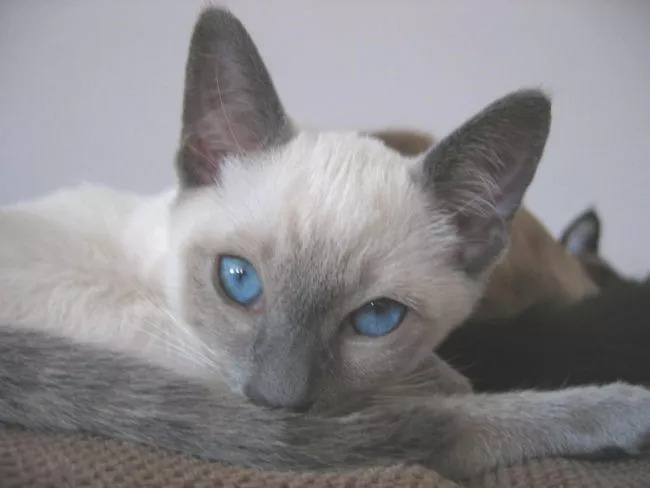
Cats are intensely communicative animals operating on signals that most humans are not naturally trained to read. A behavior that looks random, inexplicable, or even aggressive is almost always a clear message delivered in feline language. This cat behavior guide decodes the most common and frequently misunderstood behaviors, organized by category so you can find answers quickly whether your cat is kneading at midnight or suddenly refusing to use the litter box.
How Cats Communicate: The Basics
Unlike dogs, which evolved alongside humans over thousands of years of cooperative work, cats domesticated themselves with far less selective pressure toward human-readable communication. Feline communication relies heavily on subtle posture, tail position, ear angle, pupil size, scent marking, and timing rather than obvious facial expressions. Understanding this foundation helps make individual behaviors readable.
Cats communicate through three channels simultaneously: body posture, vocalization, and scent. Reading any single channel in isolation leads to misinterpretation. A cat that is chirping and lashing its tail is not happy despite the friendly sound; the tail signal overrides the vocalization. Context, the full body, and the situation together form the complete message.
Affection and Contentment Behaviors
Kneading
Kneading is the rhythmic, alternating pushing motion cats make with their front paws against soft surfaces, blankets, or people. The behavior originates in kittenhood when kittens stimulate milk flow from their mother by kneading her belly. Adult cats retain it as a deeply ingrained comfort response associated with endorphin release. When your cat kneads you, they are expressing the same level of contentment they felt as nursing kittens. It is one of the clearest signals that your cat feels completely safe. Some cats drool slightly during kneading, which is normal in deeply relaxed individuals. If the claws are uncomfortable, placing a folded blanket between your cat and your lap provides relief without rejecting the behavior.
Slow Blinking
When a cat holds your gaze and then slowly closes and reopens its eyes, it is performing one of the most significant trust signals in the feline communication repertoire. In cat terms, direct, unblinking eye contact is a dominance signal; the slow, deliberate blink explicitly breaks that tension to signal "I am not a threat and I am relaxed in your presence." Researchers at the University of Portsmouth confirmed in 2020 that cats are more likely to approach and interact with humans who return the slow blink compared to those who maintain a neutral expression. You can initiate slow blinks at your cat to build trust, particularly with shy or newly adopted cats.
Head Bunting and Cheek Rubbing
Head bunting (pressing the forehead against you) and cheek rubbing deposit scent from sebaceous glands located on the cat's face onto you and your belongings. This is affiliative scent marking: the cat is incorporating you into their scent group, which communicates belonging and familiarity. A cat that bunts against you is actively claiming you as part of its social world. This behavior is entirely positive and should be welcomed rather than discouraged.
Trilling
The trill is a rolled, chirping vocalization cats produce in the back of the throat with the mouth closed. It is used almost exclusively as a greeting between cats that know each other and between cats and their preferred humans. A cat that trills when approaching you is initiating a friendly, affiliative interaction. It is one of the clearest positive vocalizations and responding warmly encourages the behavior.
Bringing Prey
A cat that deposits dead or live prey at your feet or doorstep is performing an instinctive gifting behavior with roots in how mother cats provisioned their kittens. Your cat considers you part of their social group and is sharing resources. While the impulse is affectionate, the practice has significant ecological consequences for wildlife populations. The most effective reduction strategy is keeping cats indoors, which also dramatically increases lifespan.
Slow Blink
A trust signal. Return it by squinting softly back. Effective for building bonds with new or shy cats.
Kneading
Deep contentment and self-soothing. Inherited from kittenhood. Drooling during kneading is normal.
Head Bunting
Scent marking with affection. Your cat is claiming you as family. A clear sign of belonging.
Trilling
A friendly greeting vocalization used between cats that like each other. A strong positive signal.
Chattering
Predatory excitement while watching prey. Normal and indicates a mentally engaged cat.
Sleeping Near You
Cats choose sleeping spots carefully. Being chosen as one means genuine trust and attachment.
Vocalization Behaviors
Meowing
Adult cats rarely meow at each other; they developed this vocalization largely for communication with humans. Meowing is therefore a form of learned behavior that individual cats refine based on what produces results in their specific household. A short, high-pitched meow is typically a greeting. Repetitive or insistent meowing, particularly around feeding times, is a demand. Long, drawn-out yowling in older cats is associated with hyperthyroidism, cognitive dysfunction, or hearing loss and warrants a veterinary assessment.
Chattering and Chirping
The rapid clicking jaw movement and accompanying staccato chirp cats produce while watching birds or squirrels through a window is one of the most distinctive feline vocalizations. The most widely supported explanation is that it represents a combination of intense predatory arousal and frustration at being unable to reach the prey, combined with an instinctive rehearsal of the killing bite used to dispatch prey. It is entirely normal and a sign of a mentally alert, prey-motivated cat.
Hissing and Growling
Hissing is a clear defensive warning signal that a cat has reached its threshold for a perceived threat and is communicating "back off or I will escalate." It is not aggression; it is a final warning before aggression. Respecting it and giving the cat space is the correct response. A cat that hisses without any observable provocation should be seen by a veterinarian, as pain or illness can make cats hiss at seemingly random times.
Purring
Purring is frequently misunderstood as purely a happiness signal. Cats also purr when they are stressed, injured, or ill. The current research suggests purring is a self-soothing mechanism that can serve a regulatory function across a range of emotional states including but not limited to contentment. The frequency of cat purring (25 to 150 Hz) also appears to have bone density and healing properties, which may explain why cats purr when recovering from injury. Context determines whether purring signals comfort or distress.
Problem Behaviors: Causes and What They Communicate
Eliminating Outside the Litter Box
Inappropriate elimination is one of the most common reasons cats are relinquished to shelters, and it is almost always a solvable problem once the cause is identified. The first step is always a veterinary examination, because urinary tract infections, bladder crystals, kidney disease, and diabetes can all produce this symptom. Only after medical causes are ruled out should behavioral explanations be pursued. Behavioral causes include a dirty litter box, a box in a location the cat finds threatening, a box that is the wrong type or size, stress from household changes, or conflict with another cat in the home.
Scratching Furniture
Scratching is a fundamental behavioral need that serves multiple essential functions: it removes the outer sheath of the claws to expose sharper layers beneath, stretches the muscles of the shoulders and spine, deposits scent from paw glands, and leaves visual marks that communicate to other cats. Cats that scratch furniture do so because appropriate scratching surfaces are absent, positioned incorrectly (too low, too flimsy, or in the wrong location), or made of materials the cat does not prefer. The solution is providing scratching posts of the right height (tall enough for the cat to stretch fully), made of materials the cat is attracted to (sisal and corrugated cardboard are the most popular), and positioned near the areas currently being scratched.
Aggression
Sudden aggression in a previously gentle cat is a red flag that requires veterinary assessment before any behavioral explanation is accepted. Pain is one of the leading causes of apparent aggression in cats: arthritis, dental disease, abscesses, and internal illness can all make a cat bite or swipe when touched. Once medical causes are excluded, behavioral types of cat aggression include redirected aggression (triggered by something outside a window and displaced onto whoever is nearest), play aggression in young and understimulated cats, petting-induced aggression from overstimulation, and fear aggression. Each type has specific management strategies distinct from one another.
Hiding
Cats hide when they feel unsafe or unwell. Brief hiding after a stressful event such as a visitor, a thunderstorm, or a move is normal and resolves when the trigger passes. Persistent hiding that is new behavior in a previously social cat is a veterinary signal. Pain, nausea, and systemic illness frequently cause cats to withdraw. Never force a hiding cat to emerge; speak softly, leave food and water nearby, and contact your vet if the cat has not eaten within 24 hours.
Excessive Vocalization at Night
A cat that begins crying, yowling, or meowing persistently at night when this was not previously a behavior pattern may be experiencing pain, cognitive dysfunction (feline dementia), hyperthyroidism, high blood pressure (which is extremely common in senior cats), or hearing loss. This behavior in any cat over 8 years old warrants prompt veterinary attention rather than behavioral management.
Body Language Quick Reference
Reading the full body simultaneously gives the most accurate reading of a cat's emotional state.
- Tail straight up: Confident, friendly, approaching with positive intent.
- Tail curved into question mark shape: Playful and interested, often used as an invitation to interact.
- Tail low or tucked: Fearful, anxious, or in a subordinate posture.
- Tail puffed (piloerection): Extreme fear or intense aggression. The cat has perceived a severe threat.
- Tail lashing: Irritation or intense predatory focus. A lashing tail during petting means the cat is becoming overstimulated.
- Ears forward and relaxed: Content and attentive.
- Ears rotated backward (airplane ears): Anxious or irritated. A warning to back off.
- Ears flat against the skull: Fear or imminent defensive aggression.
- Dilated pupils in normal light: Fear, excitement, or pain. Not necessarily playfulness.
- Slow, half-closed eyes: Relaxed and trusting.
- Whiskers forward: Curious or aroused.
- Whiskers flat against the face: Defensive, frightened, or aggressive.
When Cat Behavior Signals a Veterinary Visit
The following behavioral changes in cats are medical signals until proven otherwise:
- Elimination outside the litter box after a period of reliable use
- Sudden, unexplained aggression toward people or animals the cat knows
- New or increased hiding behavior lasting more than two days
- Excessive grooming causing hair loss, skin sores, or scabbing
- Persistent night-time vocalization in any cat over 5 years old
- Compulsive behaviors including repetitive pacing, circling, or wool sucking
- Loss of previously learned behaviors such as toilet training or response to name
- Uncharacteristic clinginess or withdrawal in the same cat
- Any behavioral change in a cat over 8 years that appeared within days to weeks
Supporting Good Behavior Through Environmental Enrichment
The majority of problem behaviors in cats are driven by insufficient environmental enrichment and unmet behavioral needs. A cat with adequate outlets for its natural behaviors rarely develops problematic alternatives. Core enrichment elements include at minimum: at least one elevated observation point per cat, multiple hiding spaces, a variety of toy types rotated regularly to maintain novelty, one or two daily interactive play sessions using wand-type toys that mimic prey movement, puzzle feeders that require the cat to work for food, a litter box setup that meets the guidelines above, and access to a view of the outdoors (a window bird feeder is a highly effective and low-cost enrichment tool). Cats that receive adequate enrichment are calmer, less destructive, and more affectionate with their owners.