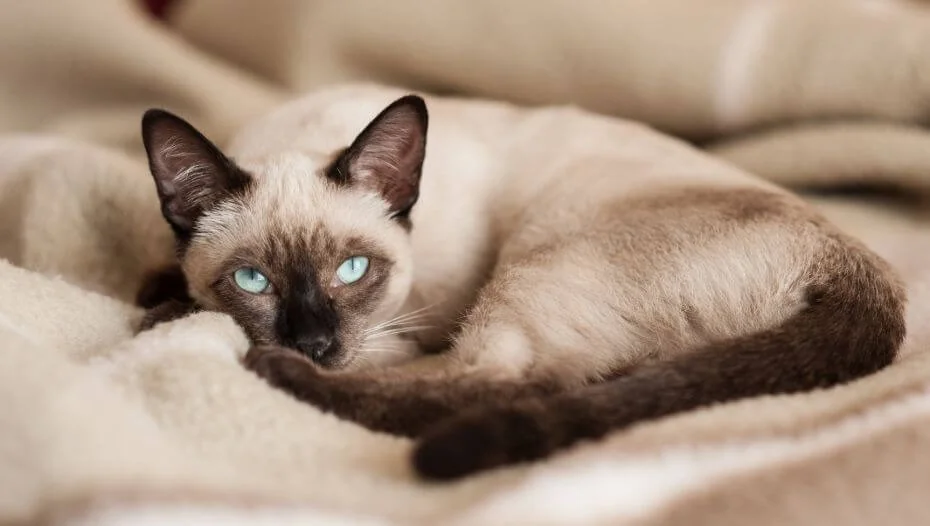

Cats age quietly — and that stoic privacy is exactly what makes senior cat health so easy to miss. A 15-year-old cat is the biological equivalent of an 80-year-old human, yet most show few dramatic signs of decline until a condition is already advanced. The two most powerful things you can do for an older cat are: switch to twice-yearly vet visits, and learn the subtle early signs of the conditions that affect senior cats most — kidney disease, hyperthyroidism, dental disease, and arthritis. Proactive monitoring at home, between visits, saves more senior cat lives than almost anything else.
Cats age more gracefully than many other species, often showing few obvious signs of aging until notable disease is already present. The secret to long, high-quality senior cat life is proactive monitoring and early veterinary intervention, combined with environmental adjustments that accommodate the physical changes of aging. This guide covers everything you need to know to care well for an older cat.
Understanding How Cats Age
A 10-year-old cat is roughly equivalent in biological age to a 60-year-old human. A 15-year-old cat is closer to 80 in human terms. With this framing, the health changes that occur in older cats become more intuitive: joints stiffen, organ reserve decreases, the immune system becomes less sturdy, and conditions that take years to develop finally become clinically apparent.
Indoor cats consistently outlive outdoor or indoor-outdoor cats due to reduced exposure to trauma, infectious disease, predators, and toxins. An indoor cat receiving twice-yearly veterinary care and appropriate nutrition has an excellent probability of reaching 17 to 20 years in good quality of life.
Common Health Conditions in Senior Cats
Chronic Kidney Disease (CKD)
The most common serious condition in cats over 10 years (covered in depth in our senior cat care guide), affecting an estimated 30 to 40% of cats over 15. The kidneys lose functional tissue gradually over years, and by the time symptoms appear (increased thirst, weight loss, vomiting, lethargy), major function has already been lost. Early detection through regular blood and urine screening allows dietary management and medication to slow progression significantly. A kidney-protective diet (lower protein and phosphorus) is the cornerstone of long-term management.
Hyperthyroidism
An overactive thyroid gland affecting most cats over 10. Caused by a benign tumor producing excess thyroid hormone that accelerates metabolism. The cat typically loses weight rapidly despite a dramatically increased appetite, becomes hyperactive or agitated. Older cats can also become more fearful — see our guide on signs of a scared cat., vomits, has a poor-quality coat, and may develop heart problems secondary to chronically elevated thyroid hormone. Highly treatable with daily oral medication (methimazole), a prescription iodine-limited diet (Hill's y/d), or a one-time curative radioactive iodine treatment.
Dental Disease
Over 80% of cats over three years have dental disease, and this figure climbs in senior cats. Dental pain in cats is frequently missed because cats do not cry out from it. Signs include pawing at the mouth, dropping food, reduced appetite, preference for wet over dry food, drooling, and facial swelling. Annual professional dental examinations and cleanings under anesthesia are appropriate for many senior cats when their health allows it.
Osteoarthritis
Feline arthritis is significantly underdiagnosed because cats are not walked on leads and their owners do not observe the exercise intolerance that makes it obvious in dogs. Signs in cats include reduced jumping, using lower surfaces to reach previously accessible heights, stiffness rising from rest, reduced grooming of hard-to-reach areas like the lower back and hindquarters, changes in litter box use (difficulty stepping in and out), and reduced interaction. Multimodal management includes veterinary-prescribed anti-inflammatory medications, joint supplements, environmental modification, and physiotherapy.
Chronic Kidney Disease
Increased thirst, weight loss, vomiting, lethargy. Monitor with twice-yearly blood and urine tests from age 10 onward.
Hyperthyroidism
Weight loss despite increased appetite, hyperactivity, poor coat. Treatable with daily medication or curative radioactive iodine.
Dental Disease
Pain-related food refusal, drooling, facial swelling. Annual dental examinations essential. Professional cleaning when health allows.
Osteoarthritis
Reduced jumping, stiffness, changes in litter box use. Frequently missed. Multimodal pain management improves quality of life significantly.
Nutrition for Older Cats
Older cats have different nutritional requirements than younger adults. From around age 10 to 12, most cats benefit from food that is higher in high-quality, digestible protein to counteract the muscle loss (sarcopenia) that accompanies aging, and lower in phosphorus to protect kidney function. From age 12 onward, many cats benefit from food specifically formulated for senior or geriatric cats.
Wet food becomes increasingly important for senior cats for two reasons: it provides additional hydration that supports kidney function, and it is easier to eat for cats with dental pain. If your senior cat has only been fed dry food, a gradual transition to at least partial wet feeding is worth discussing with your vet.
Environmental Modifications for Senior Cats
Small environmental changes can significantly improve the quality of life of an arthritic or mobility-limited senior cat:
- Add ramps or steps to access favourite high resting spots rather than requiring jumping
- Use litter boxes with low entry sides that do not require high leg-lifting to enter
- Place food, water, and litter on every level of the house if your cat has reduced mobility
- Provide soft, warm sleeping spots (orthopedic pet beds) on the floor and at low heights
- Ensure your cat can reach all its needs without working through stairs if mobility is significantly reduced
- Warm food slightly to boost aroma for cats with reduced sense of smell
Twice-Yearly Blood Tests Are Not Optional for Senior Cats Twice-yearly blood and urine screening from age 10 onward is the single most effective tool for catching the conditions that are common in older cats at a stage where they are most treatable. Chronic kidney disease caught at stage 1 or 2 can be managed for years; caught at stage 4, options are limited. The cost of twice-yearly screening is a fraction of the cost of managing late-stage disease.