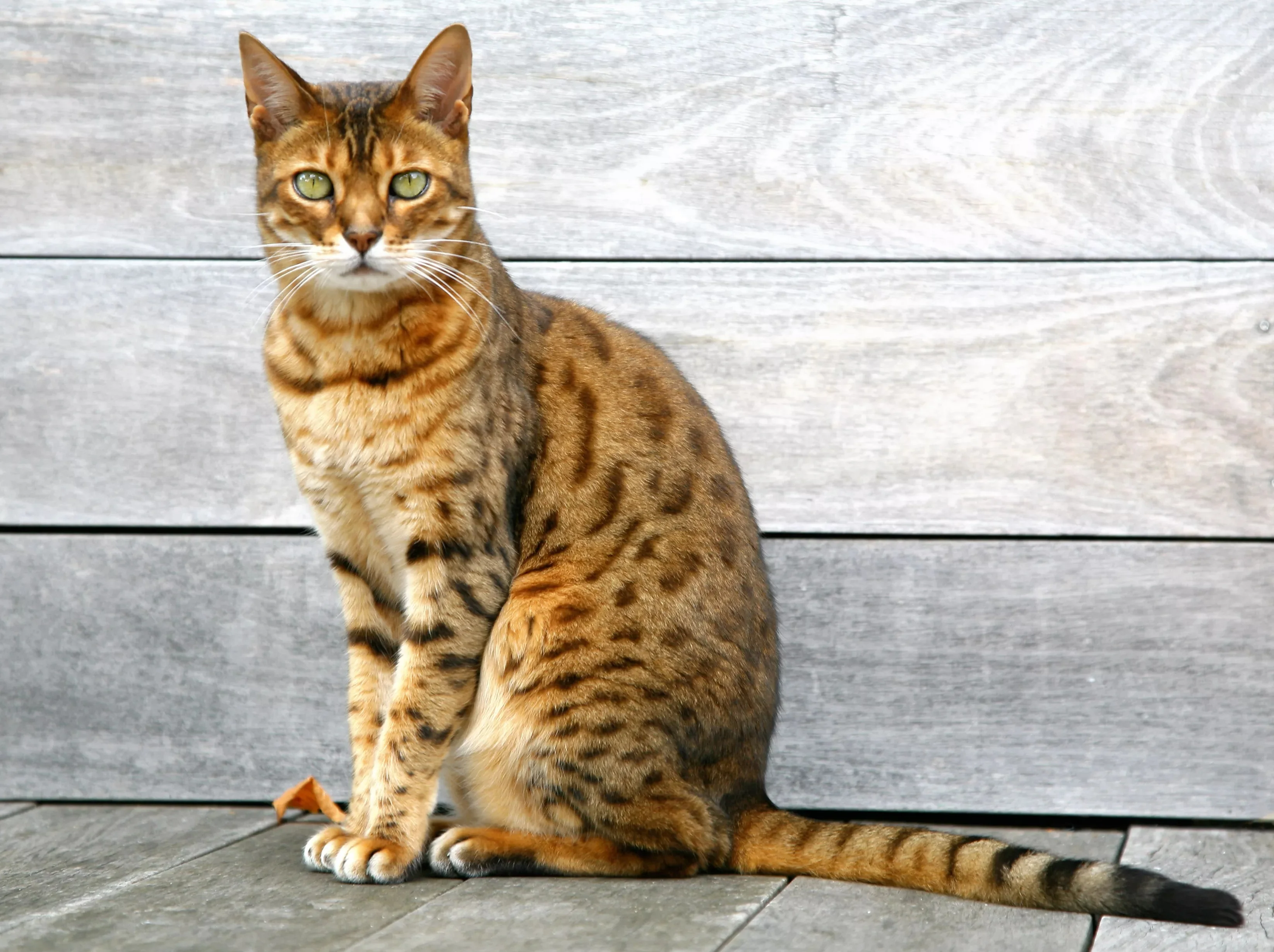

Cats hide fear better than almost any other domestic animal. The clearest early signals are: ears flattened to the sides or back (airplane ears), pupils dilated even in normal light, body held low and tight to the ground, and tail tucked under or wrapped around the body. A scared cat may also retreat to hiding spots, stop eating, or become suddenly aggressive when approached. The most important thing you can do is resist the urge to force comfort — give them space, reduce the source of stress, and let them approach on their own terms.
Understanding when your cat is scared is essential for their wellbeing and your relationship. Cats communicate fear through distinct body language signals and behavioral changes. Recognizing these signs early helps you provide comfort and reduce stress in frightening situations.
Physical Body Language Signs
When cats are frightened, their bodies display clear warning signals. A scared cat will position their body low to the ground, attempting to appear smaller and less noticeable . Their ears turn sideways or flatten completely back against their head, creating what's often called an airplane ear position .
The eyes reveal major information about feline fear. Pupils become widely dilated, making the eyes appear much larger than normal, even in bright lighting conditions . Your cat may stare intensely, focused on whatever is causing their fear, or they may avoid eye contact entirely.
Tail position provides another necessary clue. A frightened cat tucks their tail tightly between their legs or wraps it protectively around their body . Some cats may exhibit tail flicking or twitching when anxious or on edge .
Behavioral Indicators of Fear
Understanding these behavioral signals is part of broader feline body language. Hiding represents one of the most obvious signs of a scared cat. Your feline friend may seek refuge under furniture, in closets, or in any enclosed space where they feel protected . They might refuse to come out even for food or treats, remaining hidden until they feel safe again. Note that older cats often become more fearful as hearing and vision decline — what looks like fear may also signal a health change worth checking.
Freezing in place is another common fear response. Your cat may become completely still, hoping to avoid detection by whatever is threatening them . This immobility can last from seconds to several minutes depending on the perceived danger level.
Some cats display defensive behaviors when frightened. These include hissing, growling, swiping with paws, or even snapping and biting if they feel cornered . While these behaviors seem aggressive, they're actually fear-based defensive reactions.
Physiological Stress Responses
Fear and chronic stress also have medical consequences — cats under sustained stress are significantly more prone to developing feline idiopathic cystitis and other urinary issues. Fear triggers physical responses beyond body language. Shaking, trembling, and shivering are common signs of stress in cats . You might notice your cat's whisker beds becoming more pronounced or their whiskers positioned differently when upset .
Panting or rapid breathing can indicate severe stress or fear, though this is less common in cats than dogs . Some frightened cats experience loss of bladder control or defecate involuntarily when extremely stressed .
Excessive grooming or overgrooming works as a self-soothing mechanism for anxious cats . Conversely, some cats stop grooming entirely when frightened, leading to a disheveled appearance.
Vocalizations and Other Signs
While some scared cats become silent, others vocalize their distress through excessive meowing, yowling, or growling. Excessive lip licking represents another subtle sign of anxiety and stress in cats .
A scared cat's fur may stand on end, creating the classic Halloween cat appearance with an arched back and raised tail . This piloerection makes the cat appear larger to potential threats.
How to Help a Scared Cat
When you recognize fear in your cat, give them space and time to calm down. Never force interaction or pull them from hiding spots, as this increases stress. Speak in soft, calm tones and avoid sudden movements or loud noises.
Provide safe hiding places where your cat can retreat when frightened. Ensure these areas are easily accessible and quiet. Maintain consistent routines to help your cat feel more secure and predictable.
If your cat shows persistent fear, anxiety, or stress-related behaviors, consult your veterinarian. They can rule out medical causes and may recommend behavior modification strategies or anti-anxiety medications if needed.