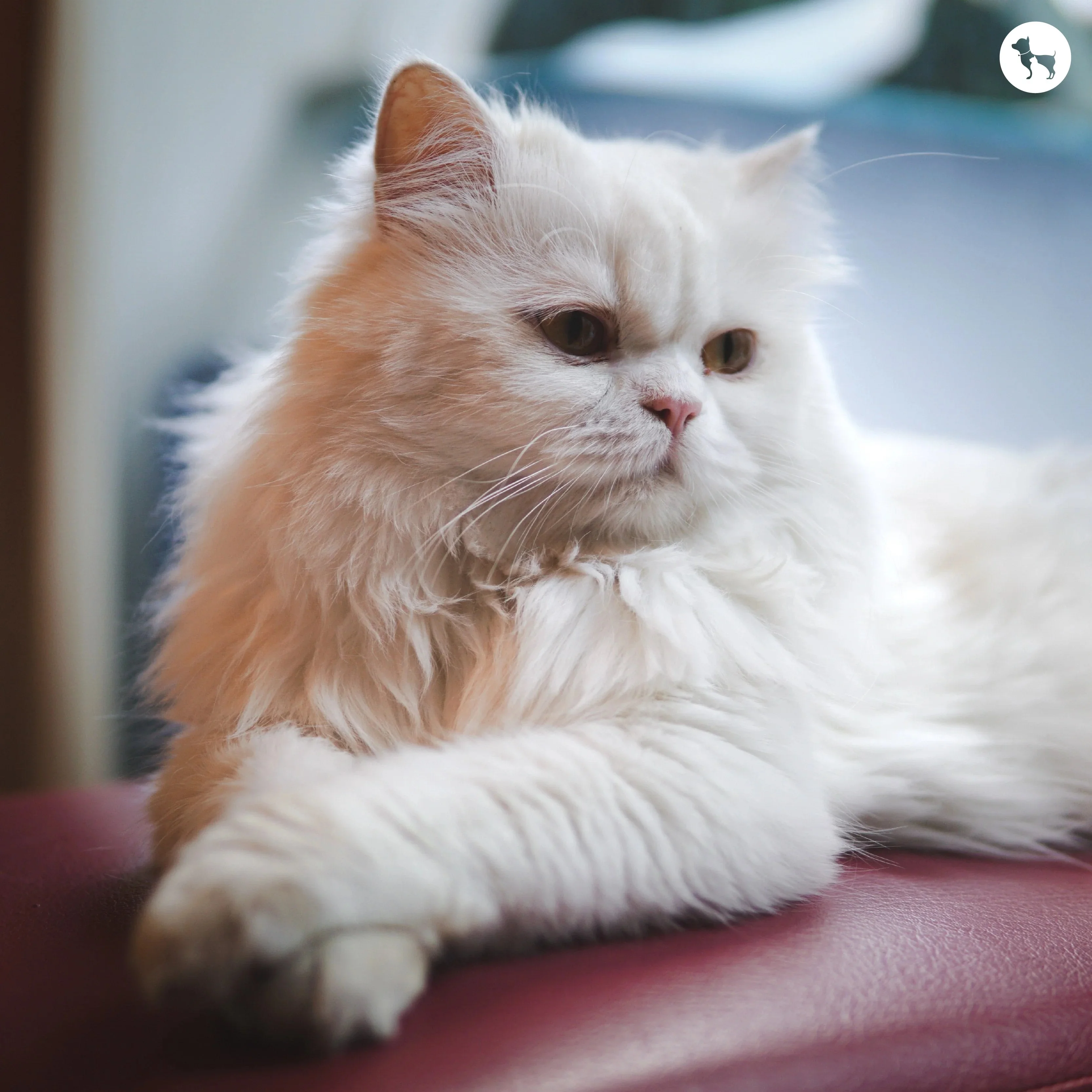

Persian cats are not a "look but don't touch" breed — their flat-faced anatomy and luxurious coat demand real daily commitment. Two non-negotiables: daily brushing to prevent painful matting (their coat mats within days if neglected), and daily eye wiping to prevent tear-stain infections caused by their facial structure. Persians are also prone to polycystic kidney disease — always request DNA testing documentation from breeders. For owners willing to commit to the grooming routine, Persians offer a uniquely gentle, affectionate temperament.
Persian cats captivate with their luxurious coats, sweet expressions, and gentle personalities. While often thought of as a single breed, Persian cats actually encompass several distinct types with unique characteristics. Understanding these variations-from the traditional Doll Face to the show-style Peke-Face-helps prospective owners provide the specialized care these elegant felines deserve. This in-depth guide explores Persian cat breeds, color variations, and essential care requirements backed by veterinary insights and breed standards.
Understanding Persian Cat Types
Though all Persian cats share the breed's hallmark long coat and calm temperament, facial structure and body type vary significantly. Major cat registries like CFA and TICA recognize these variations under the Persian breed umbrella, but responsible breeders and owners distinguish between types for health and care planning.
Traditional (Doll Face) Persian
Moderate facial structure with nose aligned below eyes. Fewer respiratory issues, excellent family companions with classic Persian temperament.
Show-Style (Peke-Face) Persian
Extremely flat face with nose positioned between eyes. Requires intensive eye/nose cleaning and veterinary monitoring for breathing.
Teacup Persian
Smaller-sized variant (under 7 lbs). Not a separate breed classification; requires careful health screening due to potential fragility.
Chinchilla Persian
Distinctive silver or golden tipped coat with green eyes. Often has slightly less extreme facial features than show-style Persians.
Himalayan Persian
Colorpoint pattern (dark ears, face, paws, tail) with blue eyes. Genetically a Persian with Siamese coloration; same care requirements.
Exotic Shorthair
"Short-haired Persian" with identical body type and temperament but plush, easy-care coat. Ideal for those who love Persians but prefer less grooming.
Persian Cat Color Variations
Persian cats feature one of the most diverse color palettes in the feline world. The Cat Fanciers' Association recognizes seven major color divisions with over 80 specific combinations:
- Solid: White, black, blue, red, cream, chocolate, lilac
- Silver & Golden: Shaded, chinchilla, smoke varieties
- Tabby: Classic, mackerel, patched, and ticked patterns
- Parti-color: Calico, blue-cream, tortoiseshell
- Bicolor: Van pattern, harlequin, or standard bicolor
- Himalayan (Colorpoint): Seal, blue, chocolate, lilac, flame points
- Shaded & Smoke: Gradual color transitions from tip to root
Essential Persian Cat Care Requirements
Intensive Grooming Needs
Persian coats demand daily attention. Use a stainless steel comb to gently work through tangles starting at the tips, never pulling at mats. Weekly baths with cat-specific shampoo prevent oil buildup. Pay special attention to eye areas-wipe tear stains daily with a damp cloth or vet-approved wipe to prevent skin irritation. Many owners schedule professional grooming every 6-8 weeks for sanitary trims and coat maintenance.
Health Considerations
Brachycephalic (flat-faced) Persians may experience breathing difficulties, especially in heat or during exertion. Monitor for noisy breathing, exercise intolerance, or snoring. Polycystic kidney disease (PKD) affects many Persians-request DNA testing documentation from breeders. Regular dental care is critical, as crowded teeth in flat-faced breeds increase tartar buildup. Annual veterinary exams should include eye checks for entropion or cherry eye, common in the breed.
Environment and Lifestyle
Persians thrive in calm, indoor environments. Their docile nature makes them unsuitable for outdoor access where they face injury risks. Provide vertical spaces like cat trees for gentle exercise, and interactive toys to prevent boredom. Maintain a consistent routine-Persians appreciate predictability. Keep litter boxes carefully clean, as their fastidious nature may lead to avoidance of soiled boxes.