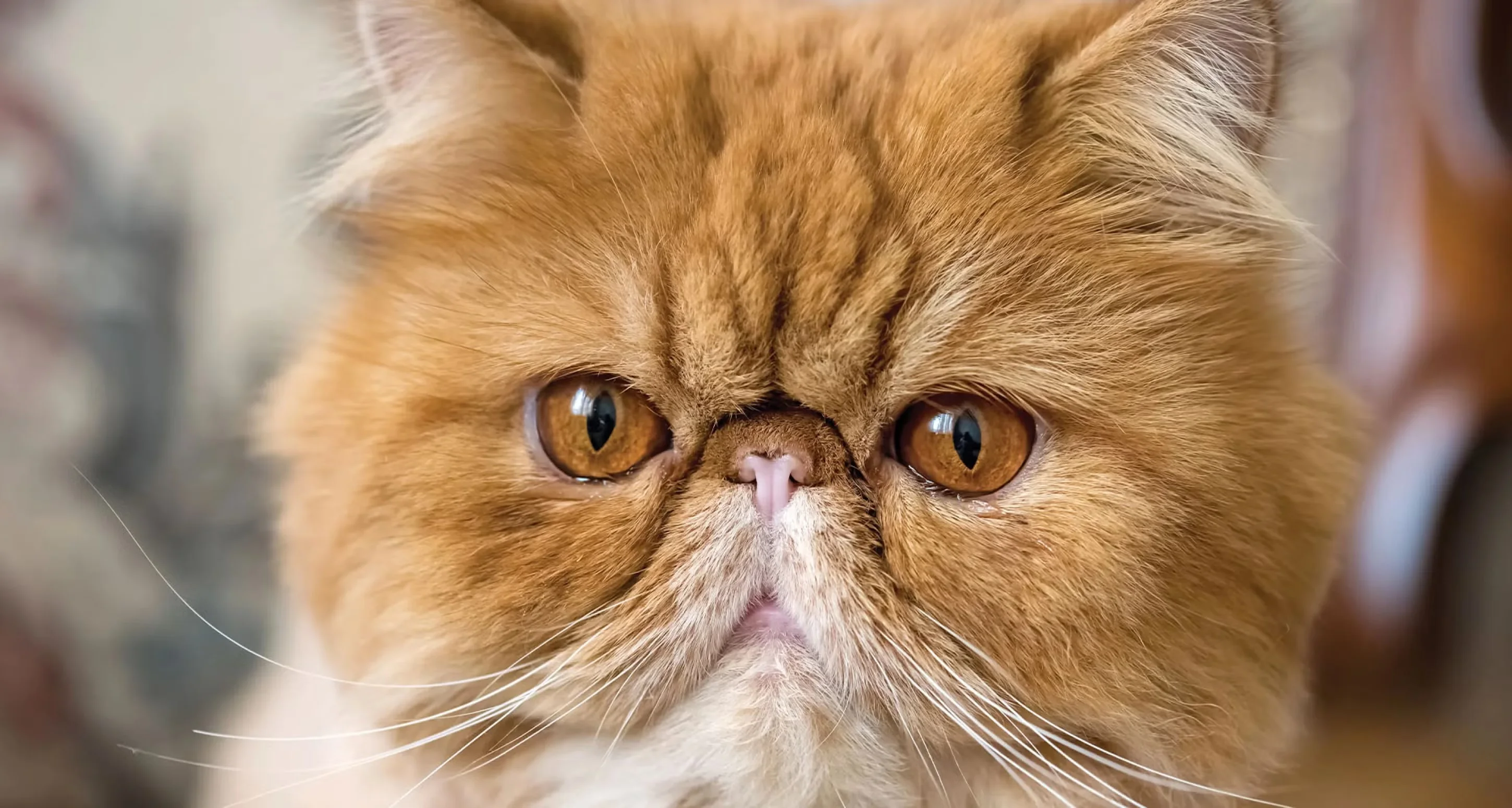
Brachycephalic cats — Persians, Exotic Shorthairs, and Himalayans — have shortened skull structures that compress their airways, which is not merely an aesthetic feature but a genuine medical condition called brachycephalic airway syndrome. Watch for noisy breathing, snoring, exercise intolerance, and breathing difficulty in heat or stress — these are signs of restricted airflow, not normal "cat sounds." Daily eye care is also essential: their facial structure causes chronic tear overflow that, left unmanaged, leads to painful skin infections. Choose a breeder who screens for moderate, not extreme, facial flattening.
Brachycephalic cats-those with characteristically flat faces like Persians, Exotic Shorthairs, and Himalayans-require specialized care due to their unique anatomical structure. While their adorable, squished faces charm millions of owners worldwide, these features come with marked health considerations. Understanding brachycephalic airway syndrome, implementing preventive care strategies, and recognizing warning signs can dramatically improve your flat-faced cat's quality of life and longevity.
Important Health Notice
Brachycephalic cats are at higher risk for respiratory distress, heat stroke, and anesthesia complications. Always inform veterinarians about your cat's breed before procedures, and seek immediate care for breathing difficulties.
Understanding Brachycephalic Airway Syndrome
Brachycephalic airway syndrome (BAS) encompasses several anatomical abnormalities that obstruct normal breathing:
- Stenotic Nares: Abnormally narrowed or collapsed nostrils that restrict airflow
- Elongated Soft Palate: Excess tissue in the back of the throat that partially blocks the windpipe
- Hypoplastic Trachea: Narrower-than-normal windpipe limiting air passage
- Everted Laryngeal Saccules: Tissue pulled into the airway due to increased breathing effort
These structural issues force brachycephalic cats to work harder to breathe, even at rest. The condition ranges from mild (occasional snoring) to severe (life-threatening respiratory distress).
Recognizing Breathing Problems
Early detection of respiratory issues allows for timely intervention. Monitor your cat for these warning signs:
Emergency Symptoms (Seek Immediate Veterinary Care — see our full emergency vet signs guide)
- Open-mouth breathing or panting
- Blue or purple-tinged gums and tongue
- Collapsed or inability to stand
- Extreme distress or agitation
- Loud, labored breathing at rest
Chronic Symptoms (Schedule Veterinary Appointment)
- Loud snoring or snorting during sleep
- Exercise intolerance (tires easily during play)
- Frequent coughing or gagging
- Sleep disturbances or difficulty finding comfortable position
- Reduced appetite due to breathing difficulty while eating
Daily Care Strategies
Environmental Management
Create a breathing-friendly environment for your brachycephalic cat:
- Temperature Control: Keep indoor temperature between 68-75°F (20-24°C). Flat-faced cats overheat rapidly and are prone to heat stroke.
- Air Quality: Use HEPA air purifiers to reduce dust, pollen, and irritants. Avoid smoking indoors and minimize use of aerosol sprays.
- Humidity: Maintain 30-50% humidity. Too dry irritates airways; too humid makes breathing harder.
- Stress Reduction: Provide quiet spaces away from loud noises and chaotic activity. Stress exacerbates breathing difficulties.
Weight Management
Excess weight dramatically worsens brachycephalic symptoms. Even 1-2 extra pounds increases respiratory strain. Feed measured portions of high-quality cat food, limit treats to 10% of daily calories, and encourage gentle play. Consult your veterinarian for a weight loss plan if needed.
Facial Hygiene
Flat faces create skin folds that trap moisture, debris, and bacteria:
- Clean facial folds daily with vet-approved wipes or damp cloth
- Wipe eye discharge morning and evening to prevent tear staining
- Dry thoroughly after cleaning to prevent fungal infections
- Trim hair around eyes and nose if it causes irritation
- Watch for redness, odor, or discharge indicating infection
Pro Tip: Grooming Assistance
Brachycephalic cats struggle to groom themselves due to their facial structure. Long-haired breeds like Persians need daily brushing to prevent mats. Consider professional grooming every 6-8 weeks for sanitary trims and coat maintenance. Learn more in our cat grooming tools guide.
Veterinary Care and Medical Interventions
Regular Monitoring
Schedule veterinary exams every 6 months (rather than annually) for brachycephalic cats. Your vet should assess:
- Airway function and breathing patterns
- Eye health (brachycephalic cats are prone to corneal ulcers)
- Dental health (crowded teeth increase disease risk)
- Weight and body condition score
- Heart function (respiratory strain affects cardiovascular health)
Surgical Options
For moderate to severe cases, surgical correction may significantly improve quality of life:
- Nare Resection: Widens nostrils to improve airflow
- Soft Palate Resection: Trims excess palate tissue
- Laryngeal Sacculectomy: Removes everted saccules blocking airway
Surgery is typically performed between 6-18 months of age before secondary complications develop. Discuss risks and benefits with a veterinary surgeon experienced in brachycephalic procedures.
Anesthesia Precautions
Brachycephalic cats face higher anesthesia risks. Always ensure your veterinarian:
- Uses breed-specific anesthesia protocols
- Provides extended monitoring during recovery
- Keeps your cat intubated longer post-procedure
- Has emergency equipment readily available
Exercise and Activity Guidelines
While brachycephalic cats need exercise to maintain healthy weight, overexertion triggers respiratory distress:
- Engage in short, gentle play sessions (5-10 minutes)
- Watch for open-mouth breathing-stop immediately if it occurs
- Avoid vigorous chasing or jumping activities
- Provide interactive toys that don't require intense exertion
- Never force exercise in hot or humid conditions
Travel and Transportation
Travel poses additional risks for flat-faced cats:
Air Travel Warning
Many airlines ban brachycephalic breeds from cargo hold due to fatal incidents. If you must fly, book in-cabin transport and consult your vet about sedation risks. Consider pet relocation services experienced with flat-faced breeds.
For car travel, use well-ventilated carriers, maintain cool temperatures, and make frequent stops to monitor breathing. Never leave your cat in a parked vehicle.