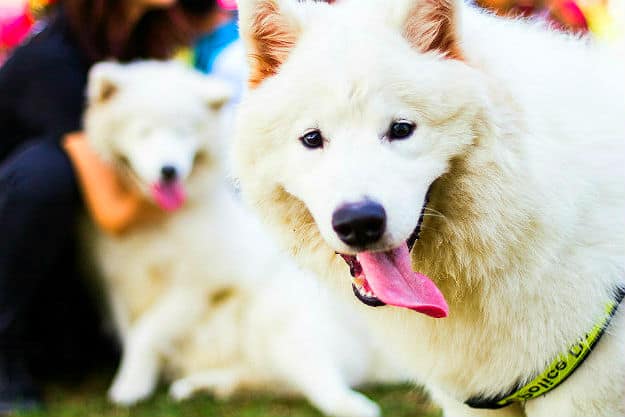
Hypothyroidism occurs when a dog's thyroid gland does not produce sufficient thyroid hormone to meet the body's needs. Because thyroid hormones regulate the metabolic rate and influence the function of virtually every organ system, a deficiency produces a broad constellation of symptoms that can develop gradually over months or even years. This slow onset is one reason the condition is frequently mistaken for normal aging, allowing it to progress undetected until symptoms become pronounced. With proper diagnosis and lifelong treatment, the vast majority of affected dogs return to full normal function.
What Is the Thyroid Gland and Why Does It Matter?
The thyroid gland sits in the neck on either side of the trachea and produces two key hormones: thyroxine (T4) and triiodothyronine (T3). These hormones govern metabolic rate, influencing how quickly the body converts nutrients to energy. When thyroid output falls, metabolism slows across the entire body. The effects are seen in the skin, coat, weight, energy level, cardiovascular function, reproductive system, and even the nervous system. This is why the symptom list for canine hypothyroidism is so wide-ranging.
Causes of Hypothyroidism in Dogs
More than 95 percent of canine hypothyroidism cases are classified as primary hypothyroidism, meaning the problem originates in the thyroid gland itself. Two conditions account for the overwhelming majority of these:
- Lymphocytic thyroiditis: An immune-mediated condition in which the dog's own immune system attacks and progressively destroys thyroid tissue. This is considered heritable, meaning genetics plays a role in susceptibility.
- Idiopathic thyroid gland atrophy: A process in which normal thyroid tissue is replaced by fat tissue for reasons that are not fully understood. This is the second most common cause.
Rare causes include thyroid gland cancer and secondary hypothyroidism (failure of the pituitary gland to release thyroid-stimulating hormone). Certain medications, including sulfa antibiotics and some anti-seizure drugs, can also suppress thyroid hormone levels and mimic the condition on blood tests without the dog being truly hypothyroid.
Which Dogs Are Most at Risk?
Hypothyroidism most commonly affects middle-aged dogs between 4 and 10 years old. It occurs across all sizes and breeds but is more prevalent in medium to large breeds. Breeds with a documented elevated risk include Golden Retrievers, Doberman Pinschers, Irish Setters, Boxers, American Cocker Spaniels, Airedale Terriers, Miniature Schnauzers, and Standard Poodles. The condition is uncommon in small and toy breeds and relatively rare in large sighthound breeds such as Greyhounds, which normally have lower baseline thyroid hormone levels. Spayed females and neutered males may be slightly more predisposed.
Symptoms of Hypothyroidism in Dogs
Because the disease develops slowly and affects multiple body systems simultaneously, symptoms are easy to attribute to other causes or to dismiss as age-related changes. Recognizing the full picture is key.
Skin and Coat Changes
Coat and skin changes are among the most consistently observed signs of hypothyroidism and are often what prompt owners to seek veterinary advice. Hair loss typically begins over the trunk and the base of the tail, producing a characteristic "rat tail" appearance, and spares the head and legs. The remaining coat becomes dull, dry, and brittle. The outer guard hairs may break off, leaving a soft, puppy-like undercoat. Skin may thicken and darken, particularly in friction areas such as the armpits and groin. Unlike allergic skin disease, the skin in hypothyroid dogs is typically not itchy unless a secondary infection has developed.
Weight and Metabolism Changes
Unexplained weight gain despite a normal or even reduced appetite is one of the hallmark signs of hypothyroidism. The slowed metabolism means the dog burns fewer calories at rest. Owners frequently report that their dog is not eating more than usual yet continues to gain weight. Mild to moderate obesity in a middle-aged dog from a susceptible breed, particularly when accompanied by lethargy, warrants thyroid screening.
Energy and Behavioral Changes
Lethargy, mental dullness, reluctance to exercise, and a general loss of enthusiasm are characteristic. Affected dogs may sleep more than usual, become less playful, and appear to seek warmth actively, frequently lying near heat sources. Some dogs show a subtle change in temperament described as increased irritability or anxiety, though this is less consistent than the physical signs.
Cold Intolerance
Because their lowered metabolic rate means they generate less internal heat, hypothyroid dogs often seek warm spots and become noticeably more sensitive to cold temperatures. A dog that was previously comfortable outdoors in cool weather and now shivers or refuses to go out in the cold may be exhibiting this symptom.
Recurrent Infections
Hypothyroidism impairs the immune system's normal function, making affected dogs more susceptible to recurrent bacterial skin infections (pyoderma) and chronic ear infections (otitis externa). A dog with repeated skin or ear infections that recur shortly after completing antibiotic treatment, despite good hygiene, should be evaluated for underlying hypothyroidism.
Weight Gain
Gaining weight despite normal appetite. One of the most consistent early signs of slowed metabolism.
Lethargy
Reduced energy, increased sleep, reluctance to exercise or play. Often mistaken for normal aging.
Hair Loss
Bilateral, symmetric hair loss on the trunk and tail. Coat becomes dull, dry, and brittle.
Cold Intolerance
Actively seeking heat sources. Shivering in temperatures the dog previously tolerated without issue.
Recurrent Infections
Repeated skin and ear infections that return quickly after treatment. Linked to reduced immune function.
Skin Thickening
Skin becomes thicker and darker, particularly in friction areas. Not typically itchy unless infected.
Less Common and Advanced Symptoms
In some dogs, particularly when the disease is long-standing or severe, less common signs may emerge:
- Slowed heart rate (bradycardia)
- Elevated blood cholesterol levels, detected on routine blood work
- Anemia (mild)
- Constipation
- Reproductive problems, including irregular heat cycles in females and testicular atrophy in males
- Facial muscle drooping producing a "tragic face" expression due to skin thickening
- Neurological signs in rare cases: weakness, knuckling, balance problems, or facial nerve paralysis
- Megaesophagus (dilation of the esophagus causing difficulty swallowing) in rare cases
Diagnosing Hypothyroidism in Dogs
No single test is sufficient to diagnose canine hypothyroidism reliably. Veterinarians approach the diagnosis in steps, interpreting results in the context of the dog's clinical signs and overall health picture.
Total T4 (TT4)
The initial screening test. A low TT4 in a dog with consistent clinical signs raises suspicion for hypothyroidism. However, many other conditions (serious illness, certain medications, recent surgery) and naturally low baseline levels in sighthound breeds can lower TT4 without true thyroid disease being present. A low TT4 alone is not sufficient for diagnosis.
Free T4 by Equilibrium Dialysis (fT4 by ED)
A more specific and sensitive test that measures the biologically active unbound fraction of T4. A low fT4 by ED in a dog with clinical signs strongly supports a diagnosis of hypothyroidism. This test is more resistant to interference from concurrent illness or medications than TT4.
Thyroid Stimulating Hormone (TSH)
When the thyroid is underactive, the pituitary gland compensates by releasing more TSH to stimulate the thyroid. An elevated TSH alongside low T4 and fT4 confirms primary hypothyroidism with near certainty. Approximately 25 to 38 percent of truly hypothyroid dogs have TSH levels within the normal range, meaning a normal TSH does not rule out the diagnosis when other tests and clinical signs are consistent.
| Test | Normal Finding | Hypothyroid Finding |
|---|---|---|
| Total T4 (TT4) | Within reference range | Low |
| Free T4 by ED | Within reference range | Low |
| TSH | Within reference range | Elevated (in most cases) |
Treatment of Hypothyroidism in Dogs
There is no cure for hypothyroidism. Treatment consists of lifelong daily oral supplementation with synthetic thyroid hormone to replace what the thyroid gland is no longer producing adequately. The FDA has approved levothyroxine sodium specifically for use in dogs under brand names including Thyro-Tabs Canine. Treatment is highly effective: most dogs show meaningful improvement in energy and attitude within two to four weeks, while coat, skin, and weight changes resolve more slowly over three to six months.
Dosing and Monitoring
Treatment begins at a standard starting dose calculated from the dog's body weight. A blood sample is taken approximately four to six weeks after starting treatment, either just before the morning dose or four to six hours after it, to assess whether thyroid hormone levels are within the therapeutic range. Because the dog's tolerance and metabolic needs can change over time, dose adjustments are made as needed and thyroid levels are rechecked every six to twelve months throughout the dog's life.
Signs of Overdose (Thyrotoxicosis)
If the dose is too high, signs of too much thyroid hormone can develop, including excessive thirst and urination, weight loss, hyperactivity, increased heart rate, panting, and difficulty sleeping. If any of these signs appear after starting or adjusting medication, contact your veterinarian promptly so the dose can be recalibrated.
Long-Term Outlook
The prognosis for dogs with properly managed hypothyroidism is excellent. With appropriate diagnosis, consistent medication, and regular monitoring, affected dogs have a normal life expectancy and quality of life. Untreated hypothyroidism, by contrast, leads to progressive deterioration across multiple organ systems including the heart, immune system, and nervous system, significantly affecting both lifespan and quality of life.