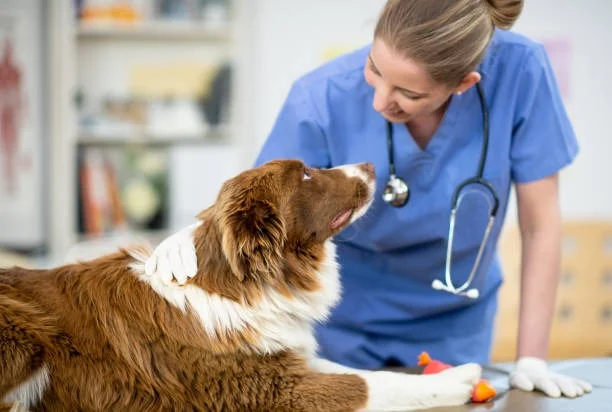

What Does It Mean When a Dog Won't Eat?
Vets describe appetite loss in two ways: anorexia, a complete refusal to eat anything, and hyporexia, eating noticeably less than usual. Both can range from a harmless one-off to an early warning sign of a serious underlying condition, so the pattern matters as much as the appetite loss itself, how long it's lasted, what else is going on, and what kind of dog you have.
The single biggest factor in how worried to be is duration. A healthy adult dog can safely go a day without food while you sort out the cause. A ten-week-old puppy or a dog with diabetes cannot.
Common Non-Emergency Causes of Appetite Loss
- Stress or a change in routine, a move, a new pet, boarding, or a household disruption can suppress appetite for a day or two.
- Recent vaccination, mild, short-lived appetite dips are common in the 24–48 hours after a vaccine.
- Overfeeding treats or table scraps, a dog who's already full at mealtime isn't sick, just satisfied.
- Motion sickness or travel, nausea from a car ride can carry over into a skipped meal.
- Hot weather, appetite naturally dips somewhat during extreme heat.
- Picky eating or food fatigue, some dogs genuinely get bored of the same food.
Serious Causes That Need Veterinary Care
When appetite loss lasts more than a day, or comes with other symptoms, it can point to a medical problem that needs diagnosis and treatment rather than home remedies.
Dental Disease or Oral Pain
A cracked tooth, gum infection, or mouth ulcer can make chewing painful enough that a dog avoids food entirely, even if they're clearly hungry.
Gastrointestinal Disease
Inflammatory bowel disease, ulcers, a foreign object obstruction, or infections like parvovirus in unvaccinated dogs commonly present with appetite loss first.
Kidney or Liver Disease
Organ disease causes toxins to build up in the bloodstream, which suppresses appetite, often alongside increased thirst and lethargy.
Pancreatitis
Inflammation of the pancreas causes nausea and abdominal pain, and is one of the more common emergency causes of sudden appetite loss in dogs.
Cancer
Unexplained, gradual appetite loss lasting more than a few days, especially with weight loss, is one of the more common early signs of cancer in older dogs.
Pain or Arthritis
Chronic joint pain can make a dog reluctant to walk to their bowl or stand comfortably long enough to finish a meal.
How Long Can a Dog Safely Go Without Eating?
| Timeframe | What It Usually Means |
|---|---|
| 0–24 hours (healthy adult dog) | Usually not urgent. Monitor closely and offer food again at the next meal. |
| 24 hours (puppy, toy breed, senior, or dog with a known illness) | Contact your vet: these dogs are prone to dangerous blood sugar drops and can't safely wait it out. |
| 24–48 hours (healthy adult dog) | Call your vet for guidance, especially if any other symptoms are present. |
| 48+ hours (any dog) | Veterinary emergency, seek care immediately. |
| Not eating and not drinking | Always urgent, regardless of your dog's age or health history. |
- Not eating along with vomiting or diarrhea
- Not eating along with lethargy or noticeable weakness
- A distended, painful, or tense abdomen
- Not eating but drinking unusually large amounts of water
- No food for 24 hours in a puppy, toy breed, senior dog, or dog with a known illness
- No water intake at all for 24 hours, at any age
Home Care for Mild, Short-Term Appetite Loss
- Gently warm their regular food to release more aroma and make it more appealing.
- Try hand-feeding a few pieces, or offering food in a different bowl or location.
- Mix in a small amount of plain boiled chicken or white rice.
- Add a splash of warm, low-sodium broth to their kibble.
- Keep fresh water available at all times, and note whether they're still drinking.
- Avoid switching to a completely new food, which can add to stomach upset.
- Never force-feed a dog, this can cause aspiration and added stress.
Puppies have far smaller glucose reserves than adult dogs and can develop dangerous hypoglycemia (low blood sugar) after skipping just one or two meals. A lethargic, wobbly, or unresponsive puppy who hasn't eaten needs emergency veterinary care right away, don't wait the 24-hour window that applies to healthy adults.
Frequently Asked Questions
My dog isn't eating but is drinking water and acting normal. Should I worry?
A single skipped meal in a dog who is otherwise bright, active, and drinking normally is usually not an emergency, it's often stress, a food preference, or a mild stomach upset. Offer their regular food again at the next mealtime. If they refuse a second meal in a row, or go more than 24 hours without eating, call your vet, since even "acting normal" dogs can be masking early illness.
How long can a dog go without eating before it's an emergency?
Most veterinarians consider 48 hours without any food the outer limit for a healthy adult dog before you must seek veterinary care. Puppies, toy and small breeds, senior dogs, and dogs with an existing health condition have a much smaller safety margin, sometimes as little as 12 to 24 hours, because they're more prone to dangerous drops in blood sugar. A dog who also refuses water for 24 hours needs veterinary attention regardless of age.
What can I give my dog to encourage them to eat?
For short-term, non-emergency appetite loss, try gently warming their regular food to release more aroma, hand-feeding a few pieces, offering a small amount of plain boiled chicken or white rice mixed into their usual diet, or adding a splash of warm low-sodium broth. Avoid switching to an entirely new food, which can cause additional stomach upset. If your dog won't eat anything for more than a day, skip home remedies and call your vet instead.
Why is my dog not eating but still drinking a lot of water?
Loss of appetite combined with noticeably increased thirst is a pattern vets take seriously, since it can point to conditions like diabetes, kidney disease, or Cushing's disease rather than simple pickiness. This combination warrants a veterinary visit even if your dog seems otherwise energetic, so the underlying cause can be diagnosed with bloodwork.
Medical disclaimer: This article is for educational purposes only and does not constitute veterinary advice. Always consult a licensed veterinarian for diagnosis and treatment of your pet's health conditions.