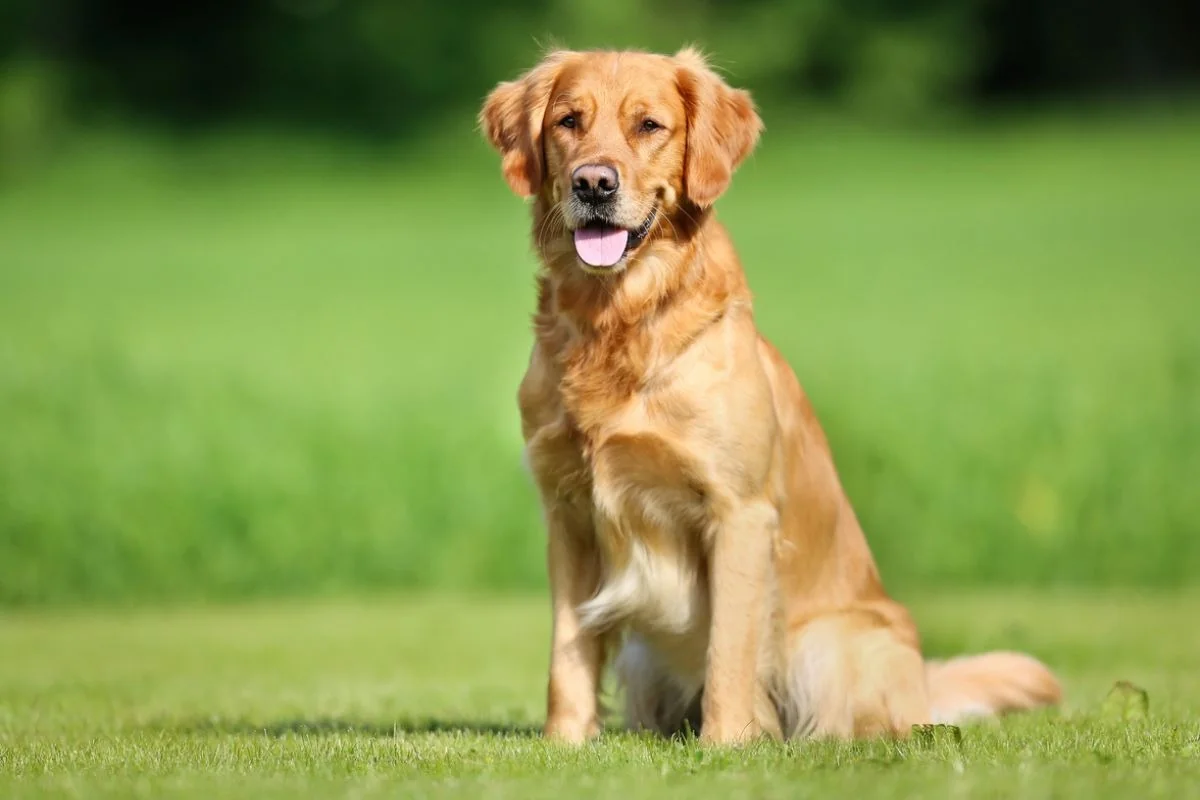

Senior Dog Care: What Matters Most
- Senior dogs should see a veterinarian every six months rather than annually. Health changes in older dogs can develop and progress significantly within six months
- Each senior wellness visit should include a blood panel and urinalysis alongside the physical examination. These detect kidney disease, liver disease, diabetes, and thyroid problems before obvious symptoms develop
- Exercise remains essential but should shift toward shorter, more frequent, lower-impact activity to protect aging joints while maintaining muscle mass
- Pain in dogs is consistently underestimated by owners. Dogs are biologically wired to conceal pain, so the absence of yelping does not mean the absence of discomfort
- Canine cognitive dysfunction affects a marked proportion of dogs over 11 years old and is frequently mistaken for normal aging. It is manageable with the right support
- Small home modifications including orthopedic bedding, ramps, non-slip mats, and raised food bowls can dramatically improve daily comfort for aging dogs
Somewhere between one walk and the next, your dog became a senior. It rarely feels like a dramatic transition. A little more grey around the muzzle, a slightly longer time getting up from the floor, a preference for the warm spot by the heater over the energetic sprint across the garden. The change is gradual, and that gradual quality can make it easy to miss the moment when a dog's care genuinely needs to shift to meet their changing body.
Senior dogs are not simply older adults. Their physiology is changing in ways that affect every system from kidney filtration and joint lubrication to cardiovascular function and cognitive clarity. Understanding those changes, and adjusting care accordingly, is the difference between a dog that ages passively and one that stays genuinely comfortable, engaged, and well for as long as possible.
When Is a Dog a Senior?
The popular rule that one dog year equals seven human years is a simplification that does not hold up across different breeds and sizes. Larger dogs age faster than smaller dogs, and the senior threshold varies considerably depending on a dog's size and expected lifespan.
| Size Category | Weight Range | Senior Stage Begins | Average Lifespan |
|---|---|---|---|
| Small / Toy | Under 20 lbs | 10 to 12 years | 12 to 16 years |
| Medium | 20 to 50 lbs | 8 to 10 years | 10 to 14 years |
| Large | 50 to 90 lbs | 7 to 8 years | 9 to 12 years |
| Giant | Over 90 lbs | 5 to 6 years | 7 to 10 years |
These are general guidelines based on breed averages. Individual dogs vary based on genetics, lifetime diet, exercise history, and the health conditions they have experienced. A well-cared-for Labrador Retriever at 9 years may be functionally younger than a same-age dog of the same breed that has been overweight and under-exercised throughout its adult life.
Physical and Behavioural Signs of Aging
Recognising the signs of aging helps owners respond proactively rather than waiting until symptoms become obvious. Some of these changes are normal and manageable. Others warrant prompt veterinary attention, which is why distinguishing between the two matters.
include grey hair around the muzzle and face, slightly reduced activity and stamina, longer recovery time after exercise, more time sleeping, slightly reduced hearing or vision, and a modest reduction in appetite. These are expected and manageable parts of the aging process.
include sudden or notable weight loss or gain, marked reduction in appetite lasting more than two days, excessive thirst or urination, difficulty rising or walking, new lumps or masses anywhere on the body, coughing or laboured breathing, unexplained vomiting or diarrhoea, changes in house training, major changes in behaviour or mood, and confusion or disorientation in familiar environments.
Aging changes are gradual and easy to normalise when you see your dog every day. Keeping a brief monthly log noting energy level, appetite, mobility, sleep patterns, and any new physical findings gives your vet enormously useful information at wellness appointments and helps you spot trends before they become problems.
Veterinary Care for Senior Dogs
The most impactful single change you can make to a senior dog's care is moving from annual to six-monthly veterinary visits. Health conditions in older dogs can develop and progress significantly within six months, and many of the most treatable conditions, including kidney disease, dental disease, early-stage cancer, and diabetes, produce subtle or no outward signs in their early stages. Bloodwork and urinalysis catch them before physical symptoms develop.
A detailed senior wellness visit typically includes a full physical examination covering every body system, a complete blood count (CBC), biochemistry panel assessing kidney and liver function, urinalysis, blood pressure measurement, and thyroid function testing. Your vet may also recommend dental evaluation, joint assessment, cardiac auscultation, and abdominal palpation for organ or mass abnormalities depending on your dog's age, breed, and history.
A list of any new symptoms or behaviour changes you have noticed, however minor they seem. A urine sample collected first thing in the morning in a clean container. Any supplement or medication your dog is currently taking. A recent photo if the dog's appearance has changed. Video footage of any episodes of stumbling, confusion, or abnormal movement that you cannot replicate in the clinic.
Nutrition and Weight Management
Nutrition in senior dogs is not one-size-fits-all, and the appropriate approach depends heavily on the individual dog's body condition, health status, and any concurrent conditions. Senior dog food formulas are not automatically appropriate for every aging dog, and some dogs do better remaining on a high-quality adult maintenance food tailored to their specific needs.
The most common nutritional challenge in senior dogs is weight gain. Metabolism slows as dogs age, and a dog that maintained a healthy weight on a certain calorie intake through middle age may begin gaining on the same intake as a senior. Excess weight places additional stress on aging joints, increases cardiovascular strain, and worsens inflammatory conditions. Adjusting calorie intake while maintaining protein quality is the most important nutritional step for overweight seniors.
Senior-specific foods typically offer lower calorie density, maintained or increased protein to support muscle mass preservation, added glucosamine and chondroitin for joint support, omega-3 fatty acids for inflammation management, and antioxidants for immune and cognitive support. Dogs with specific health conditions including kidney disease, heart disease, or diabetes require prescription or condition-specific diets that differ significantly from standard senior formulas.
The outdated belief that senior dogs need low-protein diets to protect kidney function has been refuted by current research. Restricting protein in senior dogs without established kidney disease leads to muscle wasting and reduced immune function. Protein restriction is only appropriate for dogs with documented, clinically considerable kidney disease, and only under veterinary supervision.
Exercise for Aging Dogs
Exercise remains one of the most important health interventions available to senior dogs, but the approach needs adjusting. The goal shifts from building fitness to maintaining muscle mass, joint mobility, cardiovascular health, and mental engagement at a level the dog can sustain comfortably.
Two or three shorter walks daily is typically more appropriate for senior dogs than one long outing. Shorter, more frequent activity is easier on aging joints, reduces fatigue, and allows the dog to recover between sessions. Paying attention to how the dog moves after returning home is a reliable gauge of whether the intensity is appropriate. A dog that is stiff, reluctant to lie down, or slow to rise after a session was working harder than their joints can currently support.
Low-impact alternatives to walking that many senior dogs enjoy include gentle swimming and hydrotherapy, which provide excellent cardiovascular and muscular benefit without joint impact. Sniff walks, where the dog leads and determines the pace and direction while investigating smells, provide outstanding mental stimulation with minimal physical strain and can be genuinely tiring in a positive way even for dogs with significantly reduced mobility.
Common Age-Related Health Conditions
Osteoarthritis
The most common age-related condition in dogs. Affects joints progressively with reduced cartilage, inflammation, and pain. Highly manageable with weight control, appropriate exercise, NSAID pain relief, and joint supplements. See our full arthritis guide.
Affects the majority of dogs over age 7. Advanced dental disease causes systemic health effects through bacteria entering the bloodstream affecting the heart, kidneys, and liver. Regular professional dental cleanings under anaesthesia are necessary alongside daily home care.
Chronic kidney disease is very common in aging dogs. Early stages produce no symptoms and are only detectable through bloodwork and urinalysis. Early detection through regular senior screening significantly extends prognosis.
The leading cause of death in dogs over 10 years. Many cancers are treatable when detected early. Monthly body checks at home familiarise you with your dog's normal lumps and bumps so new ones are noticed promptly.
Dilated cardiomyopathy and mitral valve disease become more common with age. Regular cardiac auscultation at wellness visits detects murmurs early. Many dogs with managed heart disease live comfortably for years after diagnosis.
Underactive thyroid gland causing weight gain, lethargy, coat changes, and behavioural changes. Common in middle-aged to senior dogs. Entirely manageable with daily oral medication once diagnosed via blood testing. See our hypothyroidism guide.
Lenticular sclerosis causes a cloudy, blue-grey lens appearance in older dogs but typically causes minimal vision impairment. True cataracts significantly affect vision. Hearing loss is common and adapts well with hand signal training.
Particularly common in spayed females. Hormone-responsive urinary incontinence is very effectively managed with medication. House training regression in a previously reliable dog always warrants veterinary evaluation to rule out medical causes.
Recognising Pain in Older Dogs
Dogs are biologically wired to conceal pain. In the wild, showing vulnerability signals weakness and risk. This instinct means that dogs in meaningful pain often show no yelping, crying, or obvious distress that owners associate with pain. Recognising the subtler signals is one of the most important skills a senior dog owner can develop.
Behavioural Pain Signs
If you suspect your dog is in pain, a veterinary assessment is the correct first step. Many owners delay because the dog "still eats well" or "still wags their tail," but these are not reliable indicators of the absence of pain. Effective pain management for dogs has advanced significantly. Options range from prescription NSAIDs and gabapentin to newer treatments including Librela (bedinvetmab), a monthly injection targeting the pain pathway of osteoarthritis with strong evidence of efficacy.
Canine Cognitive Dysfunction
Canine cognitive dysfunction (CCD) is a neurological condition in aging dogs with broad similarities to dementia in people. It involves progressive changes in brain structure and function affecting memory, spatial awareness, sleep-wake cycles, social interaction, and learned behaviour. Estimates suggest CCD affects 14 to 35 percent of dogs over 8 years old, rising significantly with age.
The signs of CCD follow the DISHA framework used by veterinary professionals:
- D - Disorientation: Getting lost in familiar places, walking into corners, appearing confused about where they are
- I - Interaction changes: Reduced greeting behaviour, decreased interest in family, less responsive to familiar people
- S - Sleep-wake changes: Night restlessness, waking and pacing, sleeping more during the day
- H - House training changes: Accidents indoors in a previously reliable dog
- A - Activity changes: Reduced activity and interest in things previously enjoyed, repetitive behaviours, staring at walls
CCD is manageable but not curable. A veterinary diagnosis is important first to rule out other treatable causes of similar symptoms including pain, hypothyroidism, urinary tract infections, and brain tumours. Management includes prescription medication selegiline (Anipryl) which has regulatory approval for CCD, prescription diets formulated for cognitive support, omega-3 fatty acid supplementation, and environmental enrichment to maintain cognitive engagement.
Home Modifications for Comfort
- Orthopedic bedding: Memory foam or orthopaedic dog beds reduce pressure on joints significantly more than flat beds or blankets. Provide multiple orthopedic sleeping spots throughout the house so the dog always has one accessible without dealing with stairs or distances.
- Ramps and steps: Vehicle ramps and couch steps allow senior dogs to continue accessing elevated surfaces they previously used without the joint impact of jumping. Introduce these early before they are desperately needed.
- Non-slip flooring: Hard floors are a clear hazard for dogs with reduced hindquarter strength. Non-slip rugs, yoga mat sections, or carpet runners on slippery surfaces give senior dogs the traction they need to rise and move confidently.
- Raised food and water bowls: Elevating food and water bowls to elbow height reduces neck strain during eating and drinking, which can make a meaningful difference for dogs with cervical arthritis or general mobility limitations.
- Night lights: Dogs with reduced vision address their home environment better with consistent low-level night lighting. Simple plug-in night lights in key locations help a cognitively affected or visually impaired dog manage safely after dark.
- Easy access outdoors: A dog door, consistent access schedule, or low-threshold outdoor exit reduces house training accidents in dogs with reduced bladder control or mobility. Predictable, frequent opportunities to go outside are more helpful than a larger yard.
Supporting Quality of Life
Quality of life in senior dogs is about far more than the absence of disease. It is about continued engagement, comfort, predictability, connection, and the ability to do the things the dog finds genuinely enjoyable. These things matter as much as medical management.
Predictable routine is particularly valuable for aging dogs, especially those with cognitive changes. Meals at consistent times, potty breaks on a reliable schedule, moderate daily exercise, and consistent bedtimes reduce anxiety and cognitive strain. A dog that knows what to expect can conserve cognitive resources rather than spending them managing constant change.
Continued mental engagement through appropriate enrichment adapted to physical ability supports both cognitive health and emotional wellbeing. Sniff games, gentle training sessions, puzzle feeders at an appropriate difficulty, social interaction with people and known dogs, and car rides to new environments all provide meaningful stimulation without requiring physical demands the dog cannot meet.
The question owners find most difficult is knowing when quality of life has declined to a point where the most compassionate choice is euthanasia. Resources including the Ohio State University Quality of Life Scale and conversations with your veterinarian help handle this with clarity. The goal is to make that decision a little too early rather than a little too late, sparing the dog from a period of suffering before the decision is made.
Frequently Asked Questions
When is a dog considered a senior?
The senior stage varies significantly by breed size. Small dogs under 20 pounds typically become seniors between 10 and 12 years. Medium dogs between 20 and 50 pounds enter the senior stage around 8 to 10 years. Large dogs over 50 pounds are considered senior from around 7 to 8 years. Giant breeds over 90 pounds may be senior as early as 5 to 6 years. Size affects aging speed because larger body mass places greater metabolic strain on the body and tends to accelerate age-related changes.
How often should a senior dog see the vet?
Senior dogs should have veterinary wellness examinations every six months rather than annually. Health conditions in older dogs can develop and progress significantly within six months, and twice-yearly visits allow earlier detection of kidney disease, dental disease, cancer, heart conditions, and arthritis. Each senior wellness visit typically includes a full physical examination, blood panel, urinalysis, and blood pressure check. Dogs with established chronic conditions may need more frequent visits.
Should I change my senior dog's food?
Not all senior dogs need a switch to senior-specific food, but dietary adjustments based on the individual dog's condition are usually beneficial. Senior dogs gaining weight often benefit from a lower-calorie formula that maintains protein quality. Dogs losing muscle mass may need higher protein. Those with kidney disease, heart conditions, or joint problems benefit from prescription diets. Your veterinarian is the best guide for whether and how to adjust your individual dog's diet.
How much exercise does a senior dog need?
Senior dogs still benefit significantly from daily exercise, but the type and intensity should match their individual ability. Low-impact activities such as moderate walks, gentle swimming, and calm play maintain muscle mass, support joint health, and provide mental stimulation. Two or three shorter walks daily is typically more appropriate than one long outing, which is easier on aging joints and reduces fatigue. Watch for stiffness after activity and adjust accordingly.
What is canine cognitive dysfunction?
Canine cognitive dysfunction (CCD) is a neurological condition in aging dogs broadly comparable to dementia in people. It involves progressive changes in brain function affecting memory, awareness, learning, and behaviour. Signs include disorientation in familiar places, changes in sleep patterns, decreased family interaction, house training regression, getting stuck behind furniture, and staring at walls. CCD is manageable with medication, prescription diets, and environmental enrichment, though not curable. A veterinary diagnosis is important to rule out other treatable causes of similar symptoms.
Medical disclaimer: This article is for educational purposes only and does not constitute veterinary advice. Always consult a licensed veterinarian for diagnosis and treatment of your pet's health conditions.