
Canine arthritis, most commonly osteoarthritis (OA), is a progressive degenerative joint condition where protective cartilage gradually breaks down. As cartilage thins, bones rub together causing inflammation, pain, and bone spur formation that further restricts movement. While arthritis cannot be reversed, it is highly manageable. Research consistently shows that a multimodal approach combining several treatments simultaneously produces significantly better outcomes than any single intervention alone .
How Common Is Arthritis in Dogs and Who Is at Risk?
Approximately 20 percent of adult dogs have arthritis, making it the most common source of chronic pain in canines . Prevalence rises sharply with age: studies suggest 65 to 80 percent of dogs over 7 years show radiographic evidence of arthritis . However, because dogs instinctively mask pain as a survival behavior, owners often do not recognize symptoms until the condition is advanced. Early awareness dramatically improves outcomes through timely intervention.
Higher-risk groups include:
- Large and giant breeds: Labrador Retrievers, Golden Retrievers, German Shepherds, Rottweilers, and Bernese Mountain Dogs have genetic predispositions to joint conditions
- Dogs with prior joint injuries: Cruciate ligament tears, fractures, or dislocations accelerate arthritis development
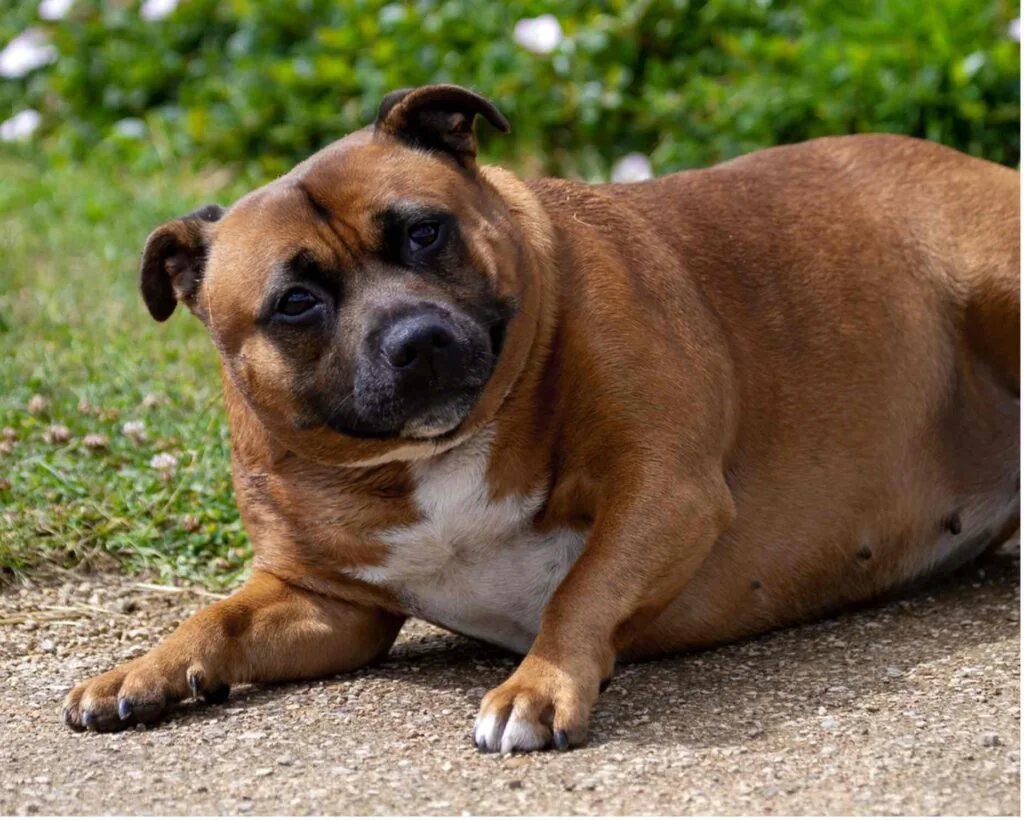
- Overweight or obese dogs: Excess weight dramatically increases mechanical stress on joints
- Senior dogs: Age-related cartilage changes make joints more vulnerable
- Dogs with developmental conditions: Hip dysplasia, elbow dysplasia, or osteochondrosis dissecans (OCD) create abnormal joint mechanics
Recognizing Early and Progressive Symptoms of Canine Arthritis
Dogs rarely vocalize pain like humans. Recognizing arthritis requires observing subtle changes in movement, behavior, and daily habits. Symptoms often appear gradually and worsen over time. Monitoring these signs helps you seek veterinary care earlier when management is most effective.
Stiffness After Rest
Difficulty rising after sleeping or lying down. Dog may "warm out" of stiffness after moving briefly. Often most noticeable in mornings or after naps.
Hesitation on Stairs or Jumps
Reluctance to climb stairs, jump into the car, or access furniture previously used easily. May wait for assistance or use ramps instead.
Changes in Gait or Posture
Subtle limp, shortened stride, "bunny-hopping" with back legs, or shifting weight to front legs. May appear more pronounced after exercise.
Reduced Activity Interest
Less enthusiasm for walks, play, or activities once enjoyed. May tire more quickly or cut walks short. Prefers resting over moving.
Joint Licking or Chewing
Increased attention to specific joints through licking, chewing, or biting. May cause hair loss or skin irritation over painful areas.
Behavioral Shifts
Increased irritability when touched near joints, reluctance to be groomed, or snapping during handling. Often misinterpreted as "grumpiness."
Dogs often mask pain during veterinary visits due to excitement or distraction. A short video of your dog rising from rest, walking on different surfaces, and handling stairs filmed at home provides invaluable diagnostic information. Share this with your veterinarian to help them assess mobility changes you observe daily .
How Veterinarians Diagnose Canine Arthritis
Diagnosis combines clinical evaluation with diagnostic imaging. Your veterinarian will:
- Review history: Discuss symptom onset, progression, activity changes, and any prior injuries
- Perform orthopedic exam: Palpate joints for pain, swelling, heat, or crepitus (grinding sensation); assess range of motion; observe gait on leash
- Use imaging: X-rays are standard to visualize joint space narrowing, bone spurs (osteophytes), and remodeling. Advanced cases may benefit from CT or MRI for detailed soft tissue assessment
- Run blood work: Rule out other conditions and establish baseline organ function before starting certain medications
Early diagnosis allows intervention before major joint damage occurs. If your dog shows two or more consistent symptoms for over a week, schedule a veterinary evaluation.
Effective Canine Arthritis Treatment Options: A Multimodal Approach
There is no cure for arthritis, but thorough management significantly improves comfort and quality of life. The most successful plans combine multiple strategies tailored to your dog's age, severity, affected joints, weight, and overall health .
Weight Management: The Single Most Impactful Intervention
Maintaining a healthy body weight reduces mechanical stress on joints. Every extra pound adds approximately 4 to 5 pounds of force on joints during movement . In overweight arthritic dogs, even a 5 to 10 percent weight reduction produces measurable improvements in mobility and pain scores. Work with your veterinarian to establish your dog's ideal weight and create a safe, nutritionally balanced caloric reduction plan.
Prescription Pain Medications: Safe Options Under Veterinary Guidance
Veterinary-formulated NSAIDs (non-steroidal anti-inflammatory drugs) are first-line pharmaceutical treatments for canine arthritis pain. They reduce joint inflammation, decreasing both pain and secondary joint damage. Common options include:
- Carprofen (Rimadyl®), Meloxicam (Metacam®): Widely used NSAIDs with established safety profiles when monitored
- Grapiprant (Galliprant®): Targets a specific pain pathway with potentially fewer gastrointestinal side effects
- Bedinvetmab (Librela®): Monthly injectable monoclonal antibody that blocks nerve growth factor, a key pain signaling molecule
Never give human pain medications (ibuprofen, naproxen, acetaminophen) to dogs. These cause severe gastrointestinal, kidney, or liver toxicity. Only use medications prescribed by your veterinarian, and attend recommended monitoring appointments to check organ function .
Joint Supplements and Nutraceuticals: Evidence-Based Support
Supplements work best as part of a broader management plan, not as standalone solutions. Look for products with veterinary backing and third-party testing:
- Glucosamine and Chondroitin: Support cartilage matrix production and joint fluid quality. Clinical evidence shows moderate benefit, particularly when started early
- Omega-3 Fatty Acids (EPA/DHA): Fish oil has strong anti-inflammatory evidence. Aim for veterinary-recommended dosing for optimal effect
- Green-Lipped Mussel: Natural source of glycosaminoglycans and omega-3s with emerging supportive research
- Polysulfated Glycosaminoglycans (Adequan®): Injectable therapy that promotes joint lubrication and may slow cartilage breakdown
Effects are gradual, typically requiring 4-8 weeks of consistent use. Discuss supplement choices with your veterinarian to avoid interactions and ensure appropriate dosing.
Controlled Exercise and Physical Rehabilitation
Appropriate movement maintains muscle strength around joints, which is essential for stability and pain reduction. Muscle atrophy worsens arthritis progression.
Recommended activities:
- Short, frequent leash walks on flat surfaces (10-20 minutes, 2-4 times daily)
- Swimming or hydrotherapy (buoyancy reduces joint load by 40-90 percent)
- Gentle range-of-motion exercises guided by a rehabilitation professional
- Therapeutic laser or acupuncture offered by certified veterinary practitioners
Avoid: High-impact activities like ball chasing, jumping, or rough play that jar joints. If limping increases after activity, reduce intensity and consult your vet.
Home Environment Modifications for Daily Comfort
Simple changes reduce daily pain and increase confidence:
- Orthopedic memory foam beds with low sides for easy access
- Ramps or pet stairs for furniture, vehicles, or elevated sleeping areas
- Non-slip rugs or carpet runners on hardwood/tile floors
- Raised food and water dishes for dogs with neck or shoulder arthritis
- Warm dog coats during cold weather outings
Consistency matters. Schedule feeding, walks, and therapy sessions at similar times daily to reduce anxiety-related muscle tension.
An arthritic dog that becomes irritable, snaps when touched, or growls during handling is communicating pain, not developing a behavior problem. Treating the underlying pain consistently resolves these changes in most cases. If your dog's temperament shifts with age, request a thorough orthopedic assessment before accepting behavioral explanations .
Monitoring Progress and Long-Term Management
Arthritis management requires ongoing partnership with your veterinary team. Schedule check-ups every 6 months for dogs on long-term medications (to monitor organ function) and whenever you notice mobility changes. Keep a brief weekly log noting:
- Walking distance and enthusiasm
- Ease of rising after rest
- Stair or jump confidence
- Any new stiffness or limping episodes
This information helps your veterinarian fine-tune treatment more effectively than office visits alone. Many dogs with well-managed arthritis maintain excellent quality of life for years .
Frequently Asked Questions
What are the first signs of arthritis in dogs?
Early signs include stiffness when rising after rest (especially mornings), hesitation before jumping or climbing stairs, subtle intermittent limping, reduced enthusiasm for walks or play, and taking longer to settle comfortably. These signs are often subtle and mistaken for normal aging. Because dogs mask pain instinctively, observing movement changes at home is critical. If you notice two or more consistent signs for over a week, schedule a veterinary evaluation.
Is there a cure for arthritis in dogs?
There is no cure that reverses arthritis in dogs. Osteoarthritis is a progressive degenerative condition. However, it is highly manageable. A multimodal plan combining weight control, appropriate medication, joint supplements, controlled exercise, and home modifications can significantly reduce pain, slow progression, and maintain excellent quality of life for years. Many dogs with well-managed arthritis remain active and comfortable well into senior age.
Can I give my dog human pain medication for arthritis?
No. Human pain medications including ibuprofen, naproxen, and acetaminophen are toxic to dogs and can cause life-threatening gastrointestinal bleeding, kidney failure, or liver damage. Only use pain medications specifically prescribed or recommended for your dog by a licensed veterinarian. Veterinary NSAIDs like carprofen, meloxicam, or grapiprant are formulated for canine safety and effectiveness.
Does cold weather make dog arthritis worse?
Yes. Many owners and veterinarians observe that cold, damp weather increases arthritic discomfort. Practical steps to help include providing a warm orthopedic bed away from drafts, using a dog coat during cold outdoor time, keeping walks shorter but more frequent, and discussing with your veterinarian whether seasonal medication adjustments are appropriate.
How is arthritis diagnosed in dogs?
Veterinarians diagnose arthritis through medical history review, physical examination (palpating joints, assessing gait), and imaging. X-rays are standard to visualize joint changes like cartilage loss or bone spurs. Blood tests help rule out other conditions and assess organ function before starting medications. Early diagnosis allows earlier intervention and better long-term outcomes.
Medical disclaimer: This article is for educational purposes only and does not constitute veterinary advice. Always consult a licensed veterinarian for diagnosis and treatment of your pet's health conditions.