Explore Exotic Pet Topics
Find what you need quickly with our organized guides
Reptile Basics
Essential care principles for lizards, snakes, and turtles: temperature, humidity, and enclosure setup.
Reptile fundamentals →Small Mammals
Care guides for hamsters, guinea pigs, rabbits, and other small furry companions.
Small pet resources →Health & Symptoms
Recognize signs of illness in exotic pets and understand when to seek specialized veterinary care.
Health guides →Exotic Pet Costs
Understand the financial commitment of exotic pets, including insurance options and routine care expenses.
Cost guides →Behavior & Handling
Learn to read exotic pet body language and practice safe, stress free handling techniques.
Behavior resources →Beginner Checklists
Step by step preparation guides for bringing home your first reptile or small mammal.
Preparation guides →Popular Exotic Pets
Detailed guides for common beginner friendly exotic species
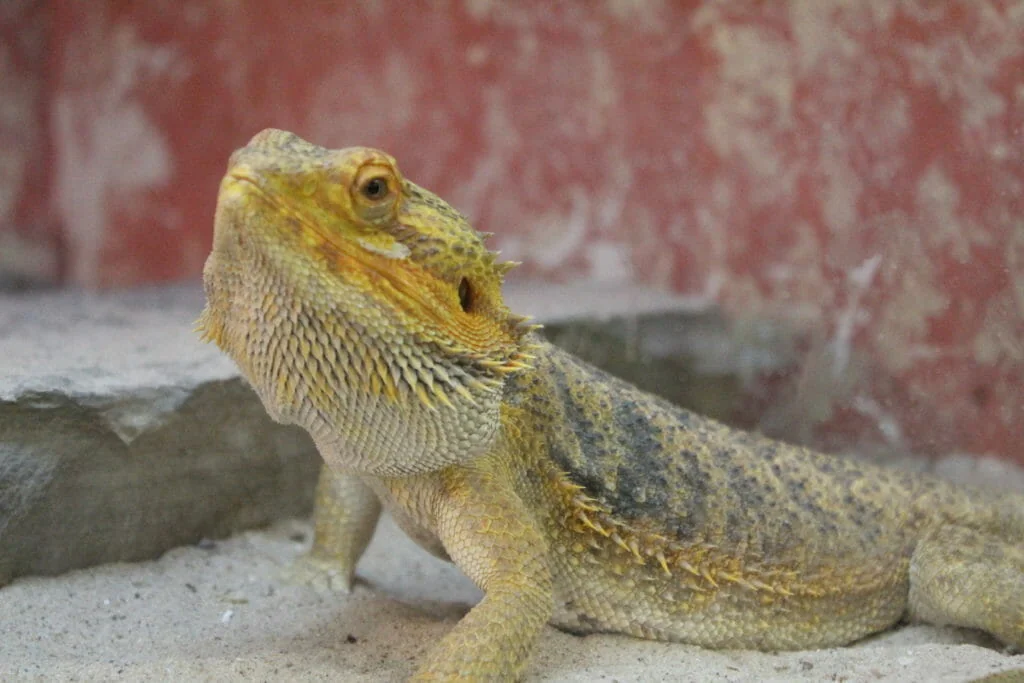
Bearded Dragon
Calm, interactive, and highly trainable. Bearded dragons are one of the most popular beginner reptiles due to their docile nature.
Learn more about Bearded Dragons →
Leopard Gecko
Low maintenance, quiet, and easy to handle. Leopard geckos thrive in simple enclosures and have straightforward dietary needs.
Learn more about Leopard Geckos →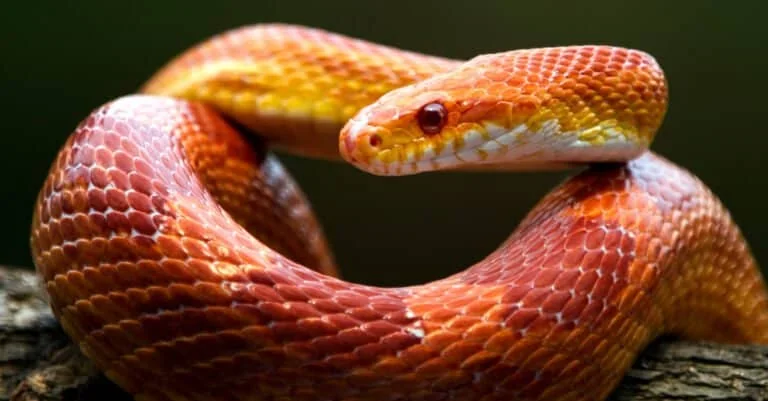
Corn Snake
Excellent beginner snakes with active colors and gentle temperaments. They adapt well to captivity and have simple feeding routines.
Learn more about Corn Snakes →
Small Mammals
Rabbits, guinea pigs, and hamsters offer companionship with different care requirements. Learn which fits your household best.
View small pet guides →Featured Exotic Pet Articles
Essential information to keep your exotic pets healthy and thriving
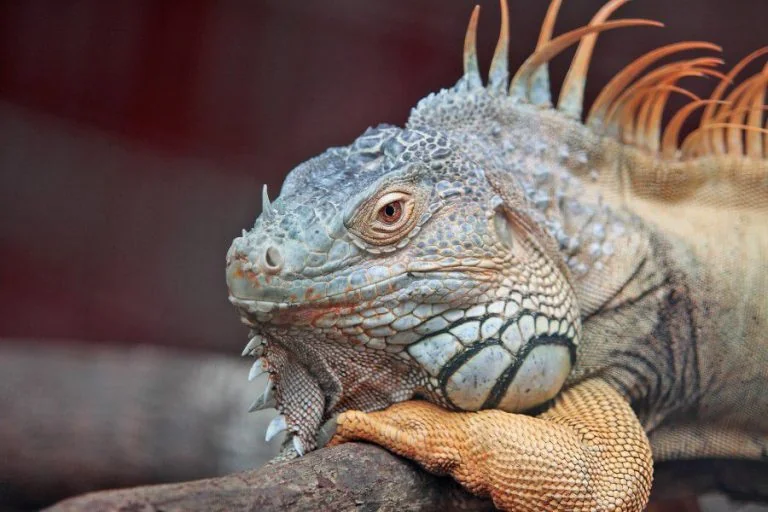
Complete Reptile Habitat Setup Guide
Learn how to create proper temperature gradients, humidity levels, and lighting setups for healthy reptile enclosures.
Read more →
Small Pets for Kids: Best Choices and Care Tips
Discover which small mammals are suitable for families, how to teach children responsible handling, and daily care routines.
Read more →
Understanding Cushing's Disease in Pets
Cushing's disease can affect various species. Learn the symptoms, diagnostic process, and management strategies for affected animals.
Read more →
Reading Exotic Pet Body Language
Reptiles and small mammals communicate differently than dogs and cats. Learn to interpret stress, comfort, and health signals.
Read more →Exotic Pet Care FAQs
Quick answers to common questions exotic pet owners ask
Are reptiles good pets for beginners?
Yes, several reptile species are well suited for beginners. Leopard geckos, corn snakes, and crested geckos have manageable care requirements, calm temperaments, and do not require daily handling. Proper research and habitat setup are essential before bringing any exotic pet home.
What temperature and lighting do reptiles need?
Most reptiles require a temperature gradient in their enclosure with a warm basking spot and a cooler area. UVB lighting is essential for many species to synthesize vitamin D3 and metabolize calcium properly. Specific requirements vary significantly by species, so consult a care sheet or exotic veterinarian.
How can I tell if my exotic pet is sick?
Signs of illness in exotic pets often include loss of appetite, lethargy, abnormal shedding, swelling, discharge from eyes or nose, changes in droppings, or hiding more than usual. Exotic animals can decline quickly, so prompt evaluation by a veterinarian experienced with reptiles or small mammals is critical.
What do pet reptiles eat?
Diet varies widely by species. Insectivores like geckos eat crickets, dubia roaches, and mealworms dusted with calcium. Herbivores like bearded dragons require leafy greens and vegetables. Carnivores like snakes eat appropriately sized frozen thawed rodents. Always research species specific dietary needs.
Medical disclaimer: This directory is for educational purposes only and does not constitute veterinary advice. Always consult a licensed veterinarian for diagnosis and treatment of your pet's health conditions.