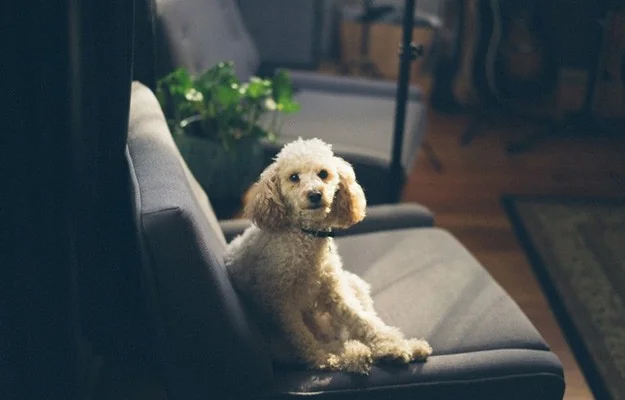

Crate training provides puppies with a secure den, supports housebreaking routines, and prevents destructive chewing when unsupervised, and is one of the best protective factors against separation anxiety later in life. When introduced positively, the crate becomes a resting space your dog voluntarily seeks. This guide outlines a gradual, reward based approach to building crate comfort.
Choosing the Right Crate
Select a crate that allows your puppy to stand, turn around, and lie down comfortably without excess extra space, since a crate that's too large can undermine housebreaking by giving a puppy room to eliminate in one corner and sleep in another. Wire crates with a divider panel are the most practical option for a growing puppy, since you can expand the usable space in stages as your puppy grows rather than buying a new crate every few months. As a rough sizing guide: toy and small breeds typically need a 24-inch crate at full size, medium breeds around 30 inches, large breeds 36 to 42 inches, and giant breeds 42 to 48 inches, though it's worth checking your specific breed's adult size before buying. Place the crate in a quiet but social area, such as a corner of the living room or bedroom, where your puppy can observe household activity without feeling isolated or, at the other extreme, overstimulated by constant foot traffic.
Setting Up the Crate
Once you've chosen the right crate, how you set it up in those first few days matters just as much as the crate itself. A well-prepared crate feels like an inviting den from the very first introduction, which makes every later training step easier.
- Bedding: use a firm, washable crate mat or pad, not a fluffy dog bed that's easy to shred or soil. Some puppies do better with just a towel at first, since bedding that's too soft can encourage chewing or accidents that are harder to clean.
- Placement: position the crate away from direct sunlight, heating vents, and drafts, and avoid a spot that's completely isolated from the family, especially in the first weeks. Many owners find success moving the crate to a bedroom at night and a common area during the day.
- Covering: a light cover over the top and sides, leaving the door end uncovered for airflow, can help create a den-like feel and reduce visual stimulation that might cause barking or restlessness, though not every puppy needs this.
- Water: use a spill-proof, crate-mounted water bowl for longer daytime stretches rather than a standard bowl that will soak the bedding if knocked over.
- First-day checklist: have the crate fully set up, positioned, and stocked with a chew toy before your puppy's first day home, so the crate is already a familiar part of the environment rather than something introduced under pressure later.
Avoid the temptation to set the crate up and immediately close your puppy inside to test it out. The setup phase is about making the space inviting; actual introduction and training come next.
Building Positive Associations
Leave the door open and scatter treats inside. Feed meals near the entrance, gradually moving the bowl further inside. Never force your puppy into the crate. Allow exploration at their own pace and praise calm behavior.
Introducing Closed Door Time
Once your puppy enters willingly, close the door for short intervals while you remain nearby. Start with two to three minutes, then gradually extend duration. Return before whining begins to reinforce that the crate predicts your presence, not isolation.
Managing Whining and Nighttime
Brief vocalization during adjustment is normal. Ensure bathroom breaks occur before crating. Provide a safe chew toy and maintain a consistent bedtime routine. Avoid releasing the puppy during crying episodes, as this reinforces the behavior.
Daytime Routine and Duration
Puppies can typically hold their bladder for their age in months plus one hour. Schedule frequent breaks for elimination, play, and feeding. Gradually increase crate time as bladder control improves and confidence builds.
Frequently Asked Questions
How long can a puppy stay in a crate?
Puppies can typically hold their bladder for their age in months plus one hour. A two month old puppy needs breaks every three hours. Never crate a puppy for extended periods without bathroom and exercise breaks.
Should I leave the crate door open at first?
Yes. Start with the door open so your puppy explores voluntarily. Place treats and meals near the entrance, then gradually inside. Close the door only when your puppy enters comfortably and stays calm.
What if my puppy cries in the crate?
Brief whining is normal during adjustment. Ensure bathroom needs are met, provide a safe chew toy, and avoid releasing the puppy during crying episodes. Gradually increase crate time to build tolerance.
Medical disclaimer: This article is for educational purposes only and does not constitute veterinary advice. Always consult a licensed veterinarian for diagnosis and treatment of your pet's health conditions.