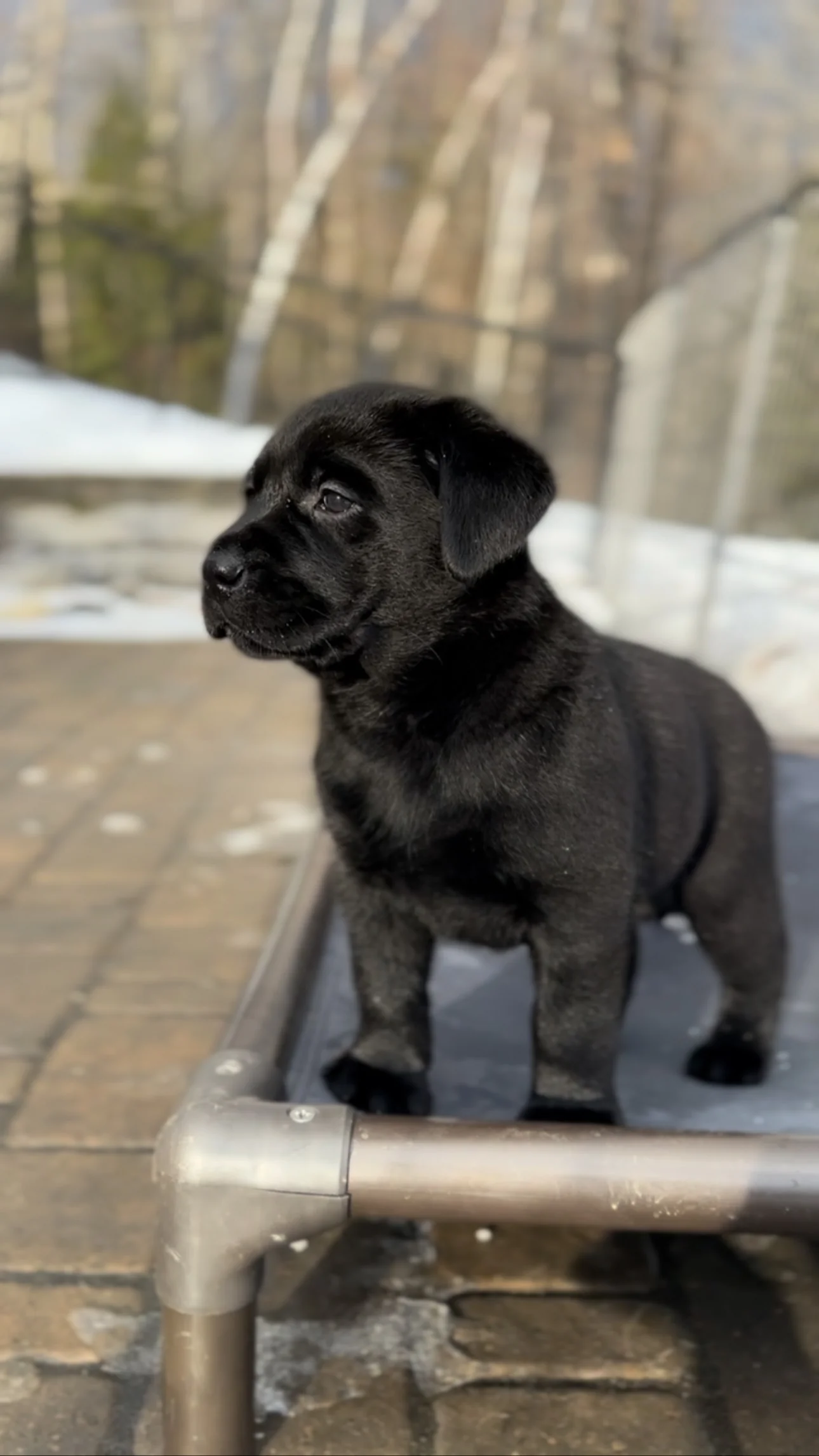

Before You Start Shopping
- Buy arrival essentials first and add the rest over time. You do not need everything on day one
- Find out what food the puppy has been eating at the breeder or rescue and have the same food ready. Switching food on arrival causes stomach upset
- Book the first vet appointment before the puppy arrives and aim to attend within the first week home
- Set up the crate, sleeping area, and feeding station before the puppy arrives so the first day is not also furniture assembly day. Crate training from night one also builds the independent settling skills that prevent separation anxiety later.
- Items marked Must Have should be ready before arrival. Items marked Nice to Have can be added over the first few weeks
New puppy preparation is one of those tasks that feels manageable until you actually start researching it. There are entire stores dedicated exclusively to dog supplies, and the sheer volume of products available can make it difficult to separate what your puppy genuinely needs from what is cleverly marketed but ultimately optional. This checklist is built around what actually matters, with clear priority flags so you can phase purchases sensibly rather than buying everything at once.
Your Checklist Progress
Sleeping and Confinement
HomeSleeping and Confinement Setup
Dog crate Must HaveSize for the adult dog but with a divider to limit puppy space. A crate that is too large slows house training because puppies will use one end as a toilet.
Crate bedding Must HaveWashable fleece blanket or crate mat. Avoid thick memory foam initially as it can absorb accidents and is harder to clean.
Playpen or puppy pen Nice to HaveUseful for creating a safe, supervised zone when you cannot watch the puppy every second. Can double as an exercise area when the crate feels too restrictive.
Baby gates Must HaveBlock off stairs, kitchens, and rooms you do not want the puppy accessing unsupervised. Essential from day one.
Heartbeat comfort toy Nice to HaveBattery-operated toys that mimic a heartbeat can significantly reduce first-night crying by providing sensory comfort similar to littermates.
Feeding and Hydration
Plate / mealFeeding Essentials
Puppy food (same brand as breeder or rescue) Must HaveAsk before collection what food the puppy is eating. Keeping them on the same food for at least two weeks before any transition prevents digestive upset on arrival.
Two stainless steel or ceramic bowls Must HaveOne for food, one for water. Stainless steel is the most hygienic option. Avoid plastic, which scratches and harbours bacteria over time.
Slow feeder bowl Nice to HaveReduces eating speed in enthusiastic eaters, which lowers the risk of bloat and improves digestion. Particularly recommended for deep-chested breeds.
High-value training treats Must HaveSmall, soft, smelly treats are most effective. Cooked chicken, cheese, or soft commercial treats. Pre-portion into pea-sized pieces before training sessions.
Treat pouch Nice to HaveA pouch that clips to your waistband keeps treats accessible without fumbling in pockets. Makes training timing significantly easier.
Kong or food puzzle toy Must HaveA rubber Kong stuffed with peanut butter or wet food and frozen is one of the most useful puppy items you can own. Builds positive crate and alone-time associations from day one.
Collar, ID, and Leash
Tag / labelCollar, ID, and Walking Gear
Adjustable puppy collar Must HaveA flat buckle or snap collar in a size that fits now with room to grow. Check the fit weekly as puppies grow fast. You should be able to slip two fingers comfortably under it.
ID tag with your phone number Must HaveShould be worn from the first day outside. This is one of the most important safety items on the entire checklist.
Microchipping Must HaveRequired by law in many US states. If your puppy was not microchipped by the breeder or rescue, have it done at the first vet visit. Register the chip in your name with current contact details.
Standard 4 to 6 foot leash Must HaveA flat nylon or leather leash in 4 to 6 foot length for training and walks. Avoid retractable leads for training as they teach the dog to pull.
Long training line (15 to 30 feet) Nice to HaveEssential for recall training in open spaces before the puppy has a reliable off-lead recall. Allows freedom of movement with a safety backup.
Harness Nice to HaveA back-clip harness can be useful for puppies who pull on the lead while leash training is in progress. Front-clip or H-harness designs reduce pulling more effectively than back-clip.
House Training Supplies
BroomHouse Training Essentials
Enzymatic cleaner Must HaveBuy this before the puppy arrives. Standard cleaners leave odour traces that encourage puppies to toilet in the same spot again. Enzymatic cleaners break down the biological compounds completely.
Puppy pads Nice to HaveOptional depending on your training approach. Some trainers prefer to avoid pads entirely to prevent confusion about indoor elimination being acceptable. Others find them useful in early training or for apartment-based owners.
Poop bags (large supply) Must HaveYou will use more of these than you anticipate. Buy a bulk supply and keep rolls in every jacket pocket and at every exit point in your home.
Waterproof mattress cover for your bed Nice to HaveIf the puppy will ever sleep on or near furniture, waterproof covers protect against inevitable accidents during the house training period.
Toys and Chews
Tennis ball / fetchToys and Enrichment
Rope tug toy Must HaveTug is a natural dog behaviour that provides excellent exercise and bonding. Teaching a reliable drop-it alongside tug is an important early lesson.
Soft plush toy Must HaveMany puppies carry a comfort toy when settling in. Can also be used as a reward for toy-motivated dogs.
Teething chew toys Must HavePuppies begin losing baby teeth from around 3 months. Safe teething toys such as rubber chews, Nylabones, and bully sticks redirect chewing away from furniture and people.
Puzzle or snuffle mat Nice to HaveMental exercise is as important as physical exercise for puppy development. A snuffle mat or food puzzle provides 15 to 20 minutes of focused mental work.
Fetch toy (ball or disc) Nice to HaveIntroduce fetch gradually once the puppy is comfortable with the drop and return. Start with short distances before building the game.
Grooming Tools
Scissors / groomingGrooming Basics
Puppy-appropriate brush or mitt Must HaveStart grooming from week one even if the coat does not need it yet. You are building a lifetime habit of tolerating handling. Use whatever brush is appropriate for the adult coat type.
Puppy nail clippers or nail grinder Must HavePuppy nails grow quickly. Begin handling paws and nails from day one so the puppy tolerates nail care as an adult. Small scissor-style or guillotine clippers are easiest to use on puppies.
Puppy shampoo Must HaveAlways use puppy-specific or gentle dog shampoo. Human shampoo has a different pH that disrupts the dog's skin barrier and causes irritation.
Dog toothbrush and enzymatic dog toothpaste Must HaveDental disease is the most common health condition in adult dogs. Starting teeth cleaning from puppyhood, while the habit feels like a game, dramatically improves adult compliance. Never use human toothpaste as it contains xylitol which is toxic to dogs.
Ear cleaning solution Nice to HaveFor weekly ear checks and cleaning. Particularly important for floppy-eared breeds with reduced airflow that are more prone to ear infections.
Health and Safety Items
StethoscopeHealth Essentials
First vet appointment booked Must HaveBook before the puppy even arrives. Aim for the first week home. Bring all health and vaccination records from the breeder or rescue to the appointment.
Flea and tick prevention (vet-recommended product) Must HaveDiscuss appropriate products with your vet at the first visit. Many over-the-counter products are ineffective or inappropriate for puppies of certain ages and weights.
Heartworm prevention Must HaveMonthly heartworm prevention is recommended across most of the United States starting at 8 weeks of age. Your vet will recommend an appropriate product.
Pet first aid kit Must HaveStocked with veterinary gauze, saline wound wash, tick remover, vet-approved antiseptic, and your vet and emergency vet contact numbers. See our full dog first aid guide for what to include.
ASPCA Animal Poison Control number saved Must HaveSave 888-426-4435 in your phone now. Puppies investigate the world with their mouths and ingestion emergencies can happen without warning.
Pet insurance research completed Nice to HavePet insurance is most affordable when taken out while the dog is young and before any conditions are diagnosed. Most policies exclude pre-existing conditions from coverage.
Paperwork and Admin
ClipboardDocuments and Registration
Health records from breeder or rescue Must HaveCollect vaccination certificates, deworming records, and any health test results for the puppy's parents. Keep these in a dedicated folder.
Microchip registered in your name Must HaveIf the puppy was already microchipped, transfer the registration to your name and current address with accurate contact details. An unregistered chip is nearly useless if the dog gets lost.
Local dog license or registration (where required) Must HaveMany municipalities require dogs to be licensed. Check local requirements and register within the required timeframe after getting your puppy.
Emergency vet location identified and number saved Must HaveKnow where your nearest 24-hour emergency veterinary clinic is before you need it. Searching in a crisis costs critical minutes.
Home Preparation Tasks
Preparing your home before the puppy arrives is as important as buying the right supplies. Walk through every room at puppy height, paying attention to what is accessible, chewable, or hazardous at ground level.
HousePuppy-Proofing Your Home
Secure or remove all electrical cords Must HaveChewing a live electrical cord is a serious hazard. Use cord covers, tuck cables behind furniture, or apply deterrent spray.
Store all medications and chemicals out of reach Must HaveIn a closed cupboard above puppy height. This includes household cleaners, medications, garden chemicals, and antifreeze, which is toxic and attractive to dogs.
Remove or identify toxic plants Must HaveCommon toxic plants include lilies, sago palm, azalea, and certain philodendrons. Check all indoor and outdoor plants against the ASPCA toxic plant list.
Check fence for escape routes Must HaveInspect the full perimeter of any garden area for gaps, loose boards, and areas where a small puppy could squeeze under or through. Puppies are surprisingly capable escape artists.
Set up the puppy's designated sleeping area Must HaveHave the crate assembled, bedding inside, and a worn item of your clothing placed in it before the puppy arrives. This familiar smell helps significantly on the first night.
First Month Task List
CalendarWeek 1 Priorities
First vet visit completedHealth check, weight recorded, vaccination status confirmed, deworming done if needed, parasite prevention started.
Feeding schedule establishedFour meals per day for puppies under 12 weeks. Same times each day. Set a phone reminder if needed.
Crate training begunShort positive sessions, never using the crate as punishment. See our full crate training guide.
Name recognition training startedCall the puppy's name and reward with a treat every time they look at you. The foundation of recall.
Potty training routine in placeTaking the puppy outside after every meal, sleep, and play session and rewarding outdoor elimination within two seconds.
CalendarWeeks 2 to 4 Priorities
Socialisation underwayMeeting calm, friendly people of different ages. Visiting new environments. Hearing household sounds. All with positive associations and no forcing.
Sit command introducedUsing a food lure. Reward at the exact moment the rear end contacts the floor. 2 to 3 minute sessions, several times a day.
Grooming routine startedDaily gentle brushing, handling of paws and ears, beginning teeth cleaning with finger brush and dog toothpaste. Even if the coat does not need it yet.
Puppy class researched and bookedLook for classes that accept puppies at 12 to 14 weeks after initial vaccination and use positive reinforcement methods. A good class covers socialisation alongside basic training.
Follow-up vet appointment scheduledFor the next vaccination dose in the series. Typically due at 10 to 12 weeks if the first was at 8 weeks.
New puppy owners often try to tackle everything simultaneously in the first week and burn out. Prioritise three things above all else in the first two weeks: house training, crate training, and socialisation. Everything else builds more naturally once these foundations are established.
Remove or securely store: chocolate, xylitol (found in sugar-free gum, peanut butter, and some baked goods), grapes and raisins, onions and garlic, macadamia nuts, cooked bones, and alcohol. These are genuinely dangerous to dogs, not merely inadvisable. See our full guide to dog poison prevention for a complete list.
Medical disclaimer: This article is for educational purposes only and does not constitute veterinary advice. Always consult a licensed veterinarian for diagnosis and treatment of your pet's health conditions.