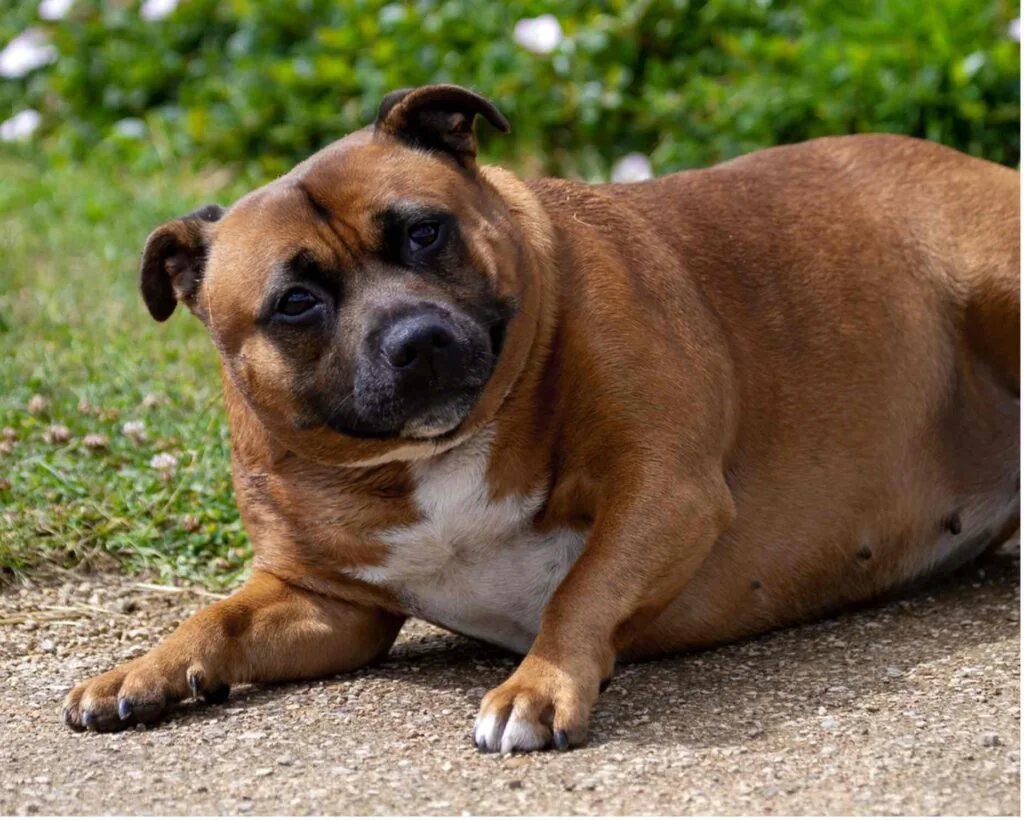

Obesity affects an estimated 50-65% of dogs in developed countries, making it the most common nutritional disorder in companion animals (38). Excess weight doesn't just change appearance-it significantly increases risk of arthritis, diabetes, heart disease, respiratory issues, and reduces lifespan by up to 2.5 years (36). This full, vet-reviewed guide provides science-backed, practical strategies to help your dog maintain a healthy weight for life.
Key Takeaways
- Use body condition scoring (BCS), not just scale weight, to assess healthy weight
- Measure all food precisely-"eyeballing" leads to unintentional overfeeding and calorie surplus
- Treats and table scraps should not exceed 10% of daily caloric intake
- Exercise needs vary widely by breed, age, health status, and energy density of diet
- Safe weight loss is 1-2% of body weight per week; faster isn't better and risks muscle loss
- Regular veterinary check-ins help catch weight changes early and rule out medical causes
Assessing Your Dog's Weight: Beyond the Scale
Body weight alone doesn't tell the full story. A 50-pound dog may be ideal, overweight, or underweight depending on frame size, muscle mass, and breed. The Body Condition Score (BCS) system, used by veterinarians worldwide, provides a more accurate assessment of energy balance and body composition.
How to Perform a Basic Body Condition Check
- Rib Check: Gently run your hands along your dog's sides. You should feel individual ribs with light pressure, like the back of your hand. If you must press hard to feel ribs, your dog likely has excess adipose tissue.
- Waist View (from above): Look down at your dog standing normally. A visible inward curve behind the ribs indicates a healthy waist. A straight or outward curve suggests excess weight and possible metabolic strain.
- Abdominal Tuck (from side): View your dog from the side. The abdomen should tuck upward behind the ribs. A sagging or straight line from chest to hindquarters indicates weight gain and potential health risks.
Most veterinary organizations use a 1-9 scale, where 4-5 is ideal, 6-7 is overweight, and 8-9 is obese. When in doubt, ask your veterinarian for a professional BCS assessment during wellness visits. Many clinics offer free weight checks and BCS evaluations.
Nutrition & Portion Control: The Foundation
Weight management starts with what and how much your dog eats. These evidence-based strategies help prevent unintentional overfeeding and maintain energy balance:
Smart Feeding Practices
- Measure precisely: Use a standard measuring cup or kitchen scale. "Scoops" vary widely between containers and people, leading to 10-30% calorie overestimation.
- Follow guidelines, then adjust: Start with feeding recommendations on your dog food package, then modify based on your dog's BCS, activity level, life stage, and metabolic rate.
- Account for all calories: Treats, dental chews, table scraps, and food used in training all count toward daily energy intake. Keep these under 10% of total calories to avoid disrupting the calorie deficit needed for weight maintenance.
- Feed on a schedule: Two measured meals per day (vs. free-choice feeding) helps regulate intake, supports metabolic health, and makes portion control easier.
- Use puzzle feeders: Slow-feed bowls or food-dispensing toys extend mealtime, increase mental stimulation, and may help dogs feel fuller longer through prolonged chewing and engagement.
- Consider food energy density: Higher-fiber, lower-fat diets can promote satiety with fewer calories. Discuss therapeutic weight management diets with your veterinarian if standard foods aren't supporting ideal BCS.
Important: Never put your dog on a restrictive diet without veterinary guidance. Rapid weight loss or unbalanced nutrition can cause hepatic lipidosis, muscle wasting, or nutrient deficiencies. Always work with your vet to establish a safe, sustainable plan.
Exercise & Activity Planning
Physical activity burns calories, builds lean muscle mass, supports joint health, and provides mental enrichment. But "more" isn't always better, especially for overweight dogs with potential orthopedic concerns.
Exercise Guidelines by Life Stage
| Life Stage | Daily Activity Goal | Recommended Activities | Precautions |
|---|---|---|---|
| Puppy (under 1 year) |
Multiple short sessions (5 min per month of age) |
Controlled play, short walks, training games | Avoid prolonged running/jumping on hard surfaces to protect developing joints and growth plates |
| Adult (1-7 years) |
30-60 minutes total | Brisk walks, fetch, swimming, hiking, agility | Adjust intensity for breed, health status, weather conditions, and current BCS |
| Senior (7+ years) |
20-40 minutes, low-impact | Gentle walks, swimming, indoor play, stretching | Monitor for stiffness, fatigue, or breathing changes. Consult vet before new routines |
| Overweight Dog | Start with 10-15 min, 1-2x/day | Short leash walks, swimming, controlled indoor play | Increase duration gradually over weeks. Avoid high-impact activities initially to prevent joint stress |
Pro Tip: Mental exercise counts toward energy expenditure. Training sessions, puzzle toys, scent games, and food-dispensing toys burn calories, reduce boredom-related begging, and support cognitive health-especially valuable for senior or mobility-limited dogs.
Breed-Specific Considerations
Some breeds have genetic predispositions toward weight gain, lower basal metabolic rates, or reduced activity requirements. Extra vigilance with portion control and activity is recommended for:
These breeds may benefit from stricter portion measurement, higher-fiber diets to promote satiety, and consistent daily exercise routines established early in life. Additionally, neutered/spayed dogs often experience metabolic shifts that require proactive calorie adjustment-discuss timing and dietary changes with your veterinarian.
Monitoring & Maintenance
Weight management is a lifelong practice, not a one-time fix. Build these evidence-based habits into your routine:
- Monthly weigh-ins: Use the same scale, same time of day, before feeding. Track trends over weeks, not daily fluctuations which can reflect hydration or gut content.
- Quarterly BCS reassessments: Re-evaluate ribs, waist, and abdominal tuck every 3 months. Document scores to identify subtle changes early.
- Annual veterinary wellness exams: Include weight, BCS, and muscle condition scoring. Discuss any changes in appetite, energy, mobility, or thirst.
- Adjust proactively: Reduce portions slightly during low-activity seasons (winter, recovery periods). Increase activity when possible to maintain energy balance.
- Track non-scale victories: Improved mobility, increased playfulness, easier grooming, and better breathing are meaningful indicators of progress beyond the scale.
Red flags requiring veterinary attention: Sudden weight gain/loss (>5% in 2 weeks), changes in appetite or thirst, lethargy, difficulty breathing, reluctance to move, or visible abdominal distension.
When to Consult Your Veterinarian
Seek Veterinary Guidance If:
- Your dog's BCS is 7/9 or higher (overweight/obese category)
- Weight gain occurs despite consistent feeding and exercise
- You notice changes in appetite, thirst, urination, or energy levels
- Your dog has difficulty rising, climbing stairs, or jumping
- There's a history of endocrine disorders (hypothyroidism, Cushing's) in your dog or breed
- You're considering a weight loss plan-professional oversight ensures safety and effectiveness
Why it matters: Underlying medical conditions like hypothyroidism, Cushing's disease, or insulin resistance can contribute to weight gain and require specific treatment beyond diet and exercise alone.
Health Risks of Excess Weight
Obesity isn't just a cosmetic concern. It's a serious medical condition that impacts nearly every body system through chronic inflammation, mechanical stress, and metabolic dysregulation:
- Musculoskeletal: Osteoarthritis, cruciate ligament injuries, intervertebral disc disease, reduced mobility
- Metabolic: Insulin resistance, diabetes mellitus, pancreatitis, altered lipid metabolism
- Cardiovascular/Respiratory: Hypertension, heart disease, exercise intolerance, brachycephalic syndrome exacerbation
- Hepatic/Urinary: Hepatic lipidosis, urinary stones, incontinence
- Other: Increased cancer risk, anesthesia complications, reduced immune function, decreased quality of life and lifespan
Research indicates that maintaining ideal body condition can extend a dog's lifespan by up to 2.5 years and significantly improve daily comfort, mobility, and overall well-being (36). Fat tissue is biologically active-it secretes inflammatory cytokines that perpetuate pain and disease, making weight management a critical component of preventive healthcare.
Related Dog Health Resources
Frequently Asked Questions
Need Personalized Guidance?
Every dog is unique. For a weight management plan tailored to your dog's breed, age, health status, and lifestyle, schedule a consultation with your veterinarian. Many clinics offer complimentary weight checks and BCS assessments.
Find a Veterinarian Near You →