Explore Bird Topics
Find what you need quickly with our organized guides
Talking Bird Species
Discover which bird species can learn words and phrases, and how to encourage vocalization.
Talking birds guide →Budgie Care
Complete care guide for budgerigars: diet, housing, training, and health monitoring.
Budgie resources →Cockatiel Care
Learn about cockatiel behavior, crest communication, nutrition, and cage setup.
Cockatiel guides →Lovebird Care
Understand lovebird temperament, social needs, breeding basics, and daily care routines.
Lovebird resources →Housing & Setup
Cage sizing, perch selection, lighting requirements, and safe environments for pet birds.
Housing guide →Health & Symptoms
Recognize signs of illness in birds and learn when to seek avian veterinary care.
Health resources →Popular Pet Bird Species
Detailed guides for common companion bird species
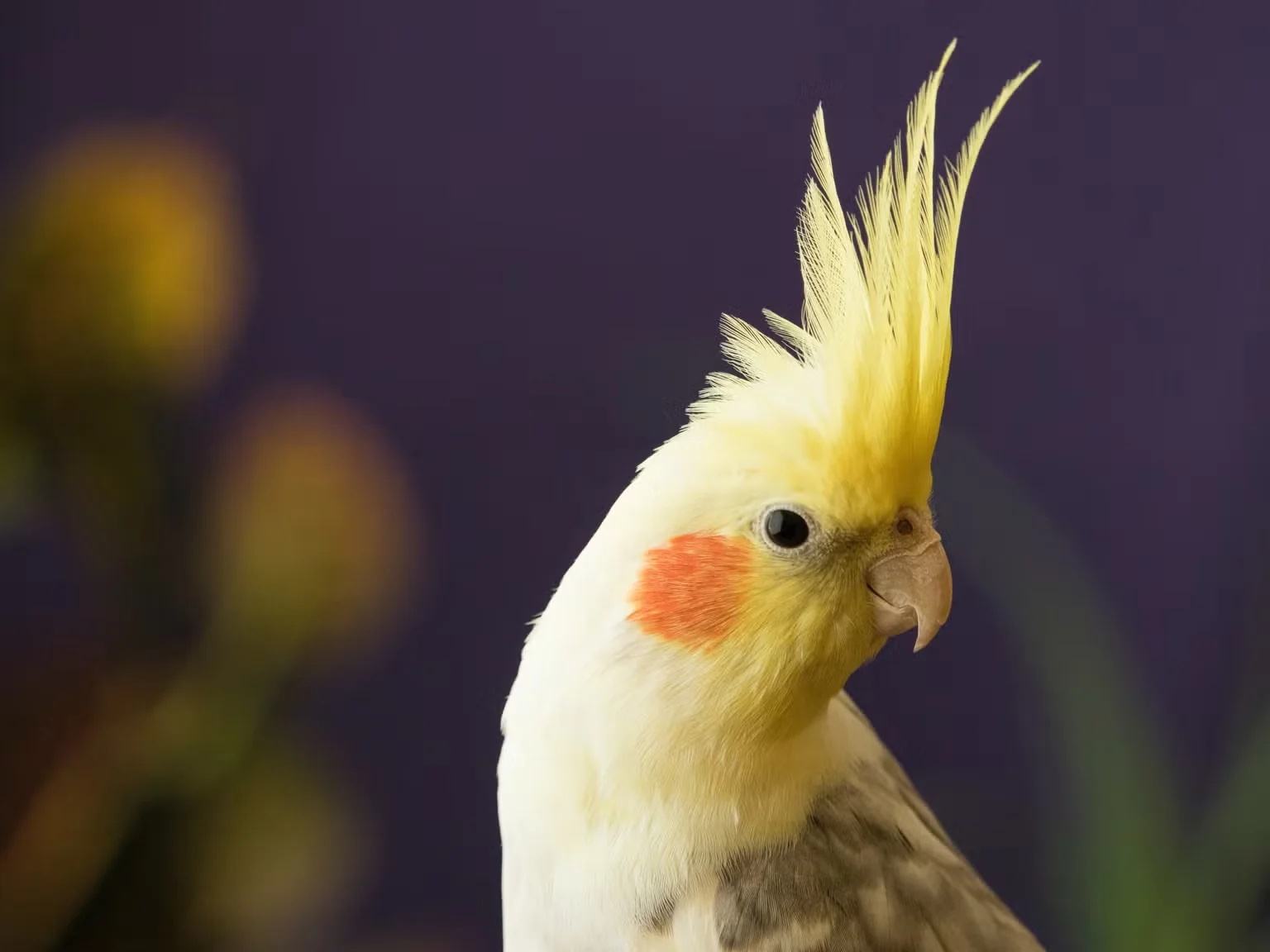
Cockatiel
Known for their distinctive crests and whistling abilities. Cockatiels are gentle, social birds that thrive on interaction.
Learn more about Cockatiels →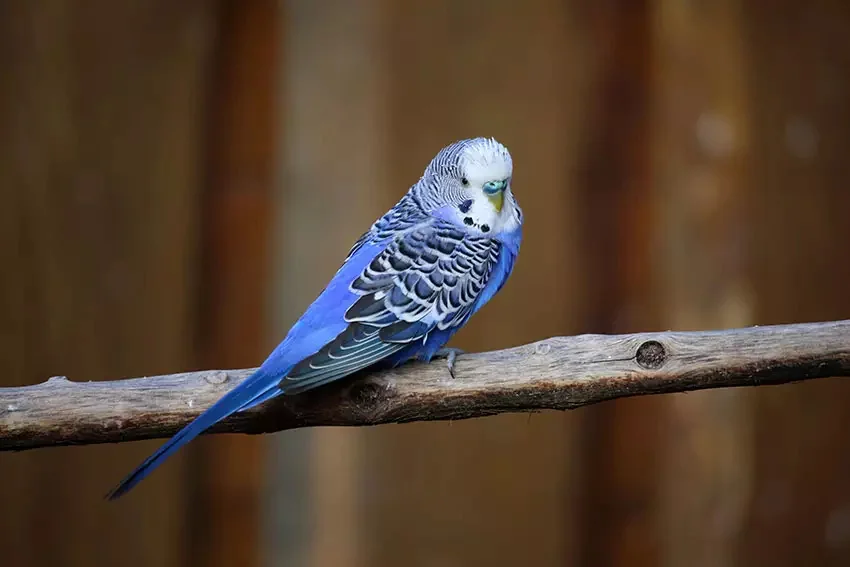
Budgerigar
Playful and intelligent, budgies can learn to mimic speech and enjoy interactive toys. Ideal for first time bird owners.
Learn more about Budgies →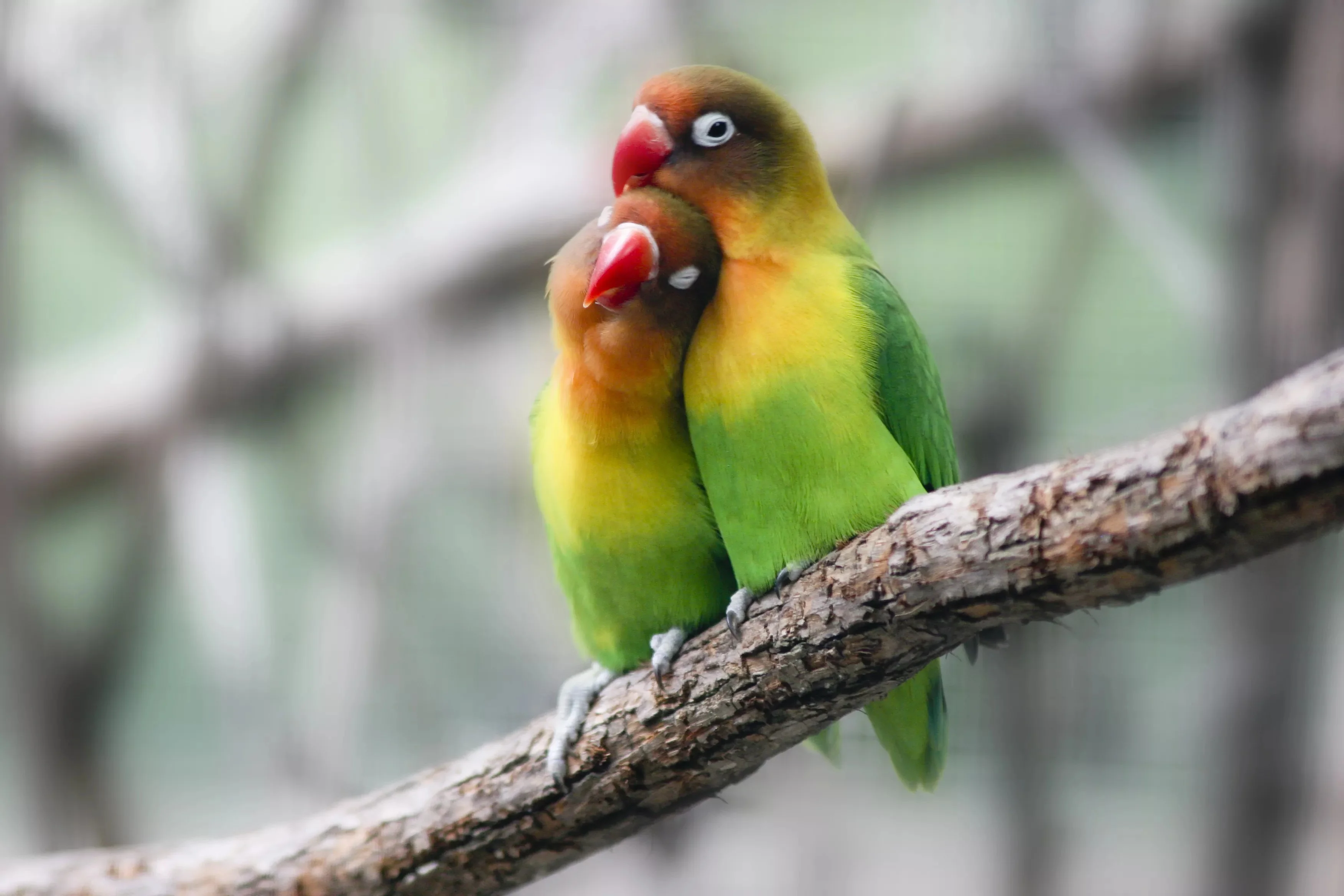
Lovebird
Named for their strong pair bonds, lovebirds are energetic, curious, and form deep attachments to their owners.
Learn more about Lovebirds →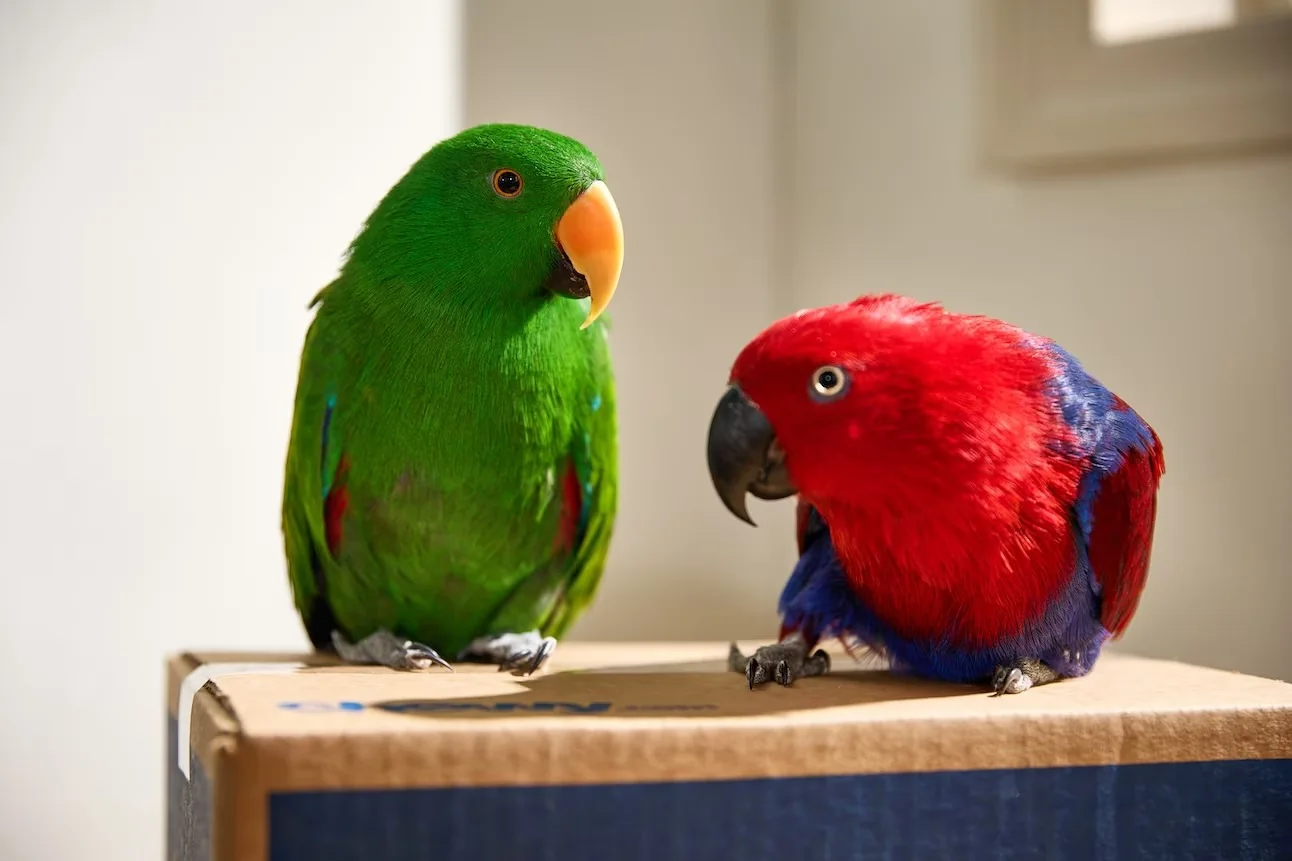
Talking Species
African Greys, Amazons, and some parakeets excel at speech. Learn which species match your communication goals.
View talking birds →Featured Bird Care Articles
Essential information to keep your birds healthy and engaged
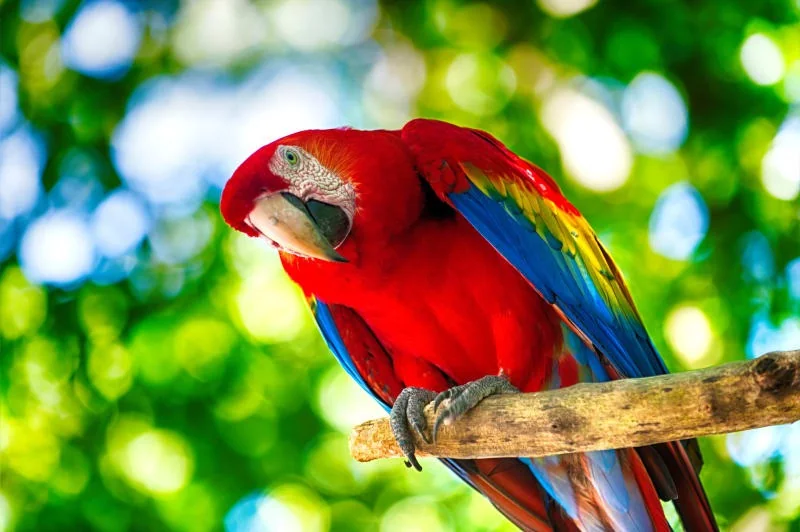
Birds That Can Talk: Species and Training Tips
Some bird species have remarkable vocal abilities. Learn which birds are best for speech and how to encourage talking safely.
Read more →
Complete Budgie Care Guide for Beginners
From cage setup to diet and health monitoring, everything you need to raise a happy, healthy budgerigar.
Read more →
Cockatiel Health: Common Issues and Prevention
Understand respiratory concerns, feather plucking, and nutritional needs to keep your cockatiel thriving.
Read more →
Understanding Lovebird Social Needs
Lovebirds require consistent interaction and mental stimulation. Learn how to build trust and prevent behavioral issues.
Read more →Bird Care FAQs
Quick answers to common questions bird owners ask
What is the best pet bird for beginners?
Budgerigars (budgies) and cockatiels are widely recommended for beginners. They are relatively low maintenance, adaptable to home environments, and can form strong bonds with their owners when handled regularly.
How big should a bird cage be?
A cage should allow your bird to fully extend its wings and move freely. As a general rule, the cage width should be at least twice the bird's wingspan. Larger is always better, and the cage should include perches of varying diameters, toys, and separate food and water stations.
What do pet birds eat?
A balanced bird diet typically includes high quality pellets, fresh vegetables, limited fruits, and occasional seeds or nuts. Avoid avocado, chocolate, caffeine, and salty foods. Specific dietary needs vary by species, so consult an avian veterinarian for personalized recommendations.
How can I tell if my bird is sick?
Birds often hide illness until it is advanced. Watch for fluffed feathers, lethargy, changes in droppings, reduced vocalization, loss of appetite, labored breathing, or sitting at the bottom of the cage. Any of these signs warrant immediate veterinary attention.
Medical disclaimer: This directory is for educational purposes only and does not constitute veterinary advice. Always consult a licensed veterinarian for diagnosis and treatment of your pet's health conditions.