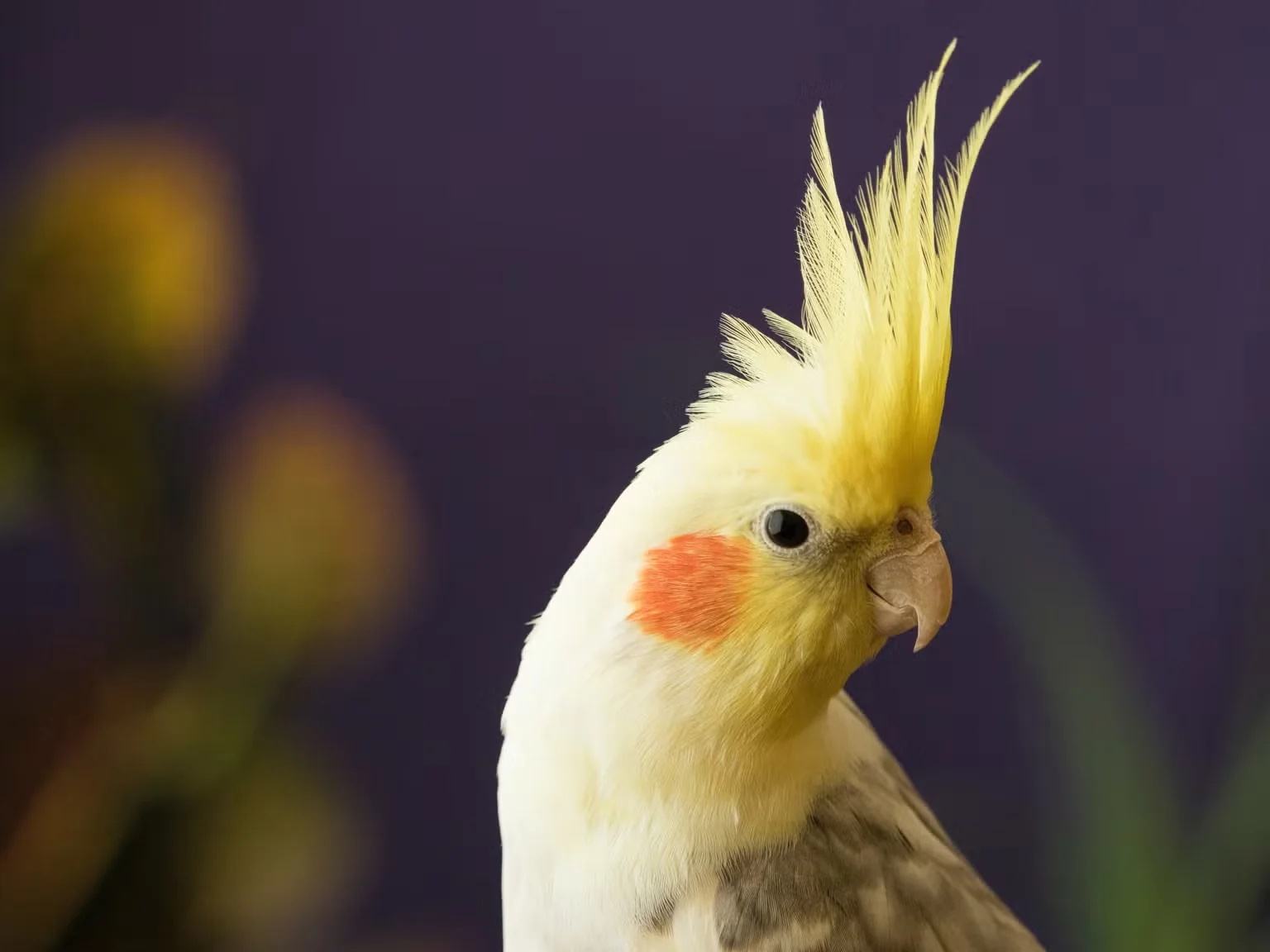

African Grey Parrots are widely considered the most capable talkers, demonstrating genuine contextual word use rather than pure mimicry, followed by Amazon Parrots and certain cockatoo species. Among smaller, more beginner-friendly birds, budgies are surprisingly strong talkers despite their size, often building larger vocabularies than people expect. The most important reality check: not every individual bird will talk regardless of species, training, or owner effort — some birds simply choose not to vocalize speech, and that is not a training failure. Choose a species based on temperament and care needs first; talking ability should be a bonus, not the deciding factor.
Vocal companion birds fascinate owners with their ability to mimic human speech, whistles, and household sounds. While not every bird will talk, understanding species tendencies and training principles maximizes your chances of success. This guide covers top talking species, effective teaching methods, and realistic expectations.
Top Species for Speech
African Grey Parrots consistently demonstrate exceptional vocabulary and contextual understanding. Amazon Parrots speak clearly with enthusiastic delivery. Indian Ringnecks develop large vocabularies with precise articulation. Budgerigars surprise many owners with rapid word acquisition and clear mimicry. Quaker Parrots and Eclectus Parrots also rank highly for speech potential.
How Birds Learn to Talk
Birds mimic sounds to bond with their flock. In captivity, humans become the flock. Repetition, consistency, and positive reinforcement drive learning. Birds associate specific words with actions, objects, or attention. Training works best during calm, focused moments when the bird is relaxed and receptive.
Effective Training Techniques
Choose short, clear phrases and repeat them consistently. Say the phrase when entering the room, offering treats, or during quiet interactions. Reward attempts with favored foods or gentle praise. Keep sessions under five minutes to maintain engagement. Avoid shouting, forcing interaction, or punishing failed attempts, as stress inhibits vocal learning.
Managing Expectations
Not every bird will talk, and that does not indicate poor health or intelligence. Many birds communicate beautifully through whistles, clicks, and body language. Focus on building trust and enrichment rather than speech outcomes. A happy, stimulated bird thrives regardless of vocabulary size.