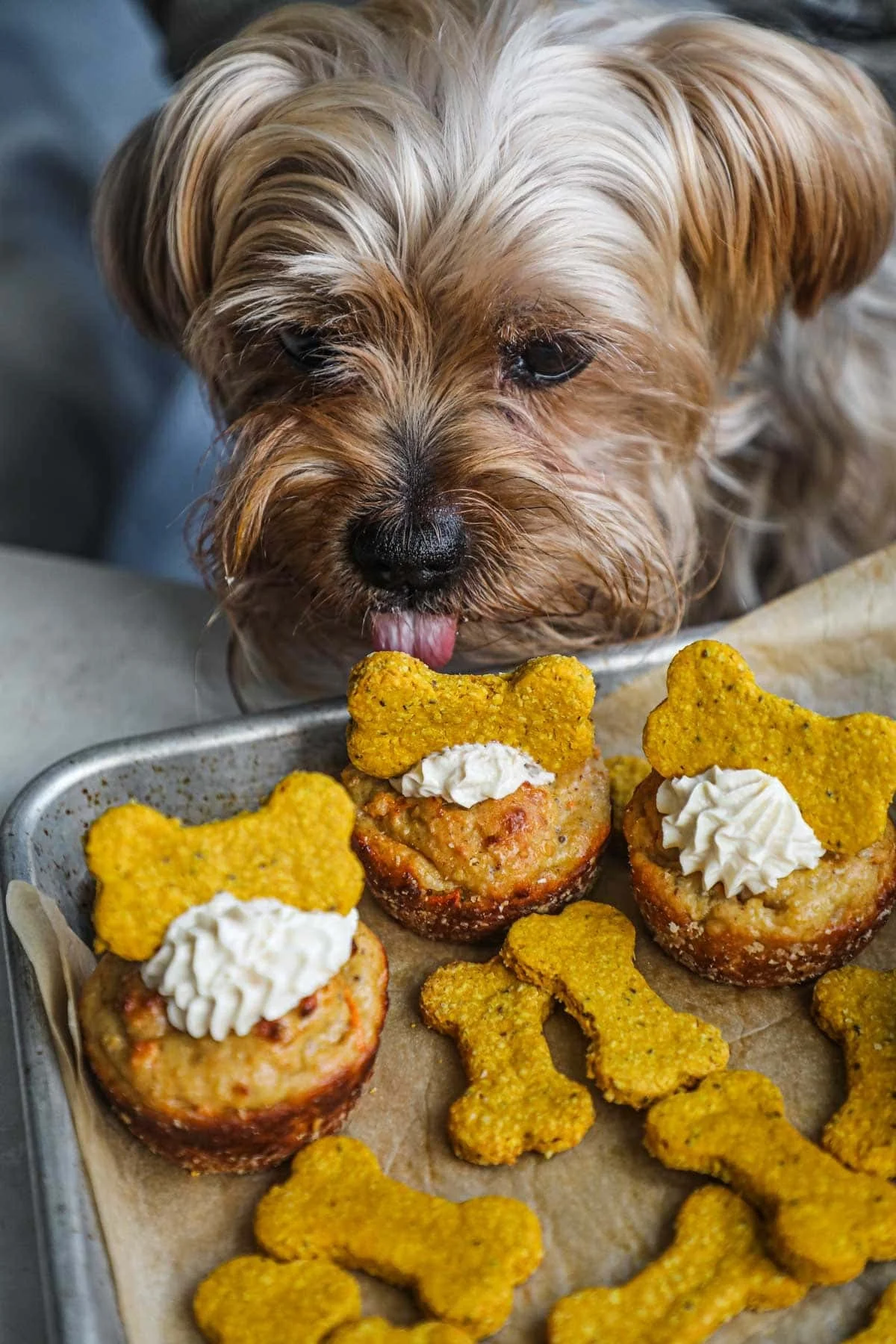

Treats are one of the most powerful tools in a dog owner's toolkit, and one of the most misused. The treat aisle at any pet store is now enormous, full of products that range from genuinely nutritious to little more than coloured sugar in a bone shape. Knowing the difference matters, not just for your dog's waistline but for long-term health outcomes. Dogs fed high-calorie, low-quality treats over months and years face elevated risks of obesity, diabetes, dental disease, and digestive problems. The good news is that choosing healthy treats is straightforward once you understand what to look for.
What Makes a Dog Treat Healthy?
A truly healthy dog treat delivers nutritional value beyond empty calories. The label tells most of the story if you know how to read it. Start with the ingredient list, which appears in descending order by weight. A quality treat leads with a named animal protein such as chicken, salmon, beef, or turkey rather than a vague term like "meat meal" or "animal by-products." Whole food ingredients higher up the list are a good sign. Short ingredient lists generally indicate less processing and fewer additives.
Beyond the ingredient list, consider what the treat is meant to accomplish. A dental chew serves a different purpose than a training reward, which serves a different purpose than a long-lasting chew for mental enrichment. Matching the treat type to the purpose helps you get real value from every treat you give rather than just adding calories for their own sake.
Named Protein First
Look for "chicken," "salmon," or "beef" as the first ingredient, not generic "meat" or "by-products."
Short Ingredient List
Fewer ingredients typically means less processing. Single-ingredient treats offer maximum transparency.
No Artificial Additives
Avoid artificial colours, flavours, BHA, BHT, and preservatives like ethoxyquin.
Appropriate Calories
Treats should fit within the 10 percent daily calorie rule. Check the calorie count per treat on the label.
Size-Appropriate
Treats should suit your dog's size. Large breed treats fed to small dogs can cause choking or calorie overload.
Purpose-Driven
Match the treat to its function: training, dental care, enrichment chewing, or occasional reward.
Ingredients to Avoid in Dog Treats
Some ingredients found in commercial dog treats are genuinely harmful. Others are simply low-quality fillers that inflate cost while delivering minimal nutritional benefit. Understanding both categories helps you make better decisions at the pet store.
Toxic Ingredients
The most critical ingredient to check for is xylitol, an artificial sweetener used in some peanut butter products and a small number of dog treats marketed as low-sugar options. Xylitol causes a rapid and potentially fatal drop in blood sugar in dogs and can cause acute liver failure. Even small amounts are dangerous. Always check the label on any peanut butter product you intend to give your dog, including peanut butter-flavoured treats.
Other ingredients that are toxic to dogs and must never appear in any treat include grapes or raisins (which cause kidney failure), onion and garlic powder (which damage red blood cells), chocolate and cocoa powder (theobromine toxicity), macadamia nuts, and avocado.
Xylitol can be fatal to dogs even in small doses. It is found in some brands of peanut butter, sugar-free gum, certain baked goods, and a handful of pet treats marketed for weight management. Always read the full ingredient list before giving your dog any new product, and specifically search for "xylitol," "birch sugar," or "wood sugar" on the label.
Low-Quality Additives to Limit
| Ingredient | Why to Avoid | What to Look For Instead |
|---|---|---|
| BHA / BHT | Synthetic preservatives linked to potential carcinogenic effects in animal studies | Mixed tocopherols (vitamin E) as a natural preservative |
| Propylene glycol | Keeps soft treats moist but has known toxicity in cats; debated in dogs | Glycerin from vegetable sources |
| Artificial dyes (Red 40, Yellow 5, Blue 2) | No nutritional benefit; dogs don't perceive colour the same way humans do. Some linked to hyperactivity. | No added colouring, or natural sources like turmeric or beet juice |
| Ethoxyquin | Chemical preservative banned from human food; still permitted in some pet food | Rosemary extract or mixed tocopherols |
| High salt / sodium | Excess sodium strains kidneys and contributes to high blood pressure in predisposed dogs | Unsalted or low-sodium options |
| Corn syrup / added sugar | Contributes to obesity, dental decay, and blood sugar spikes | Natural sweetness from whole fruit or vegetables |
| Rawhide | Choking hazard; chemical processing; digestive blockage risk | Bully sticks, natural dried tendons, or VOHC-approved dental chews |
Safe Human Foods That Make Great Dog Treats
Some of the healthiest treats available cost almost nothing because they come from your own kitchen. Many fruits and vegetables are safe for dogs in moderation and offer genuine nutritional benefits. Always introduce any new food slowly to check for sensitivities, and remove seeds, pits, and cores from fruit before offering it.
| Food | Benefits | Notes |
|---|---|---|
| Plain cooked chicken | High-value protein; excellent training treat | No seasoning, bones removed |
| Carrots | Low calorie; supports dental cleaning; beta-carotene for eye health | Can be given raw or cooked; slice to appropriate size |
| Blueberries | Antioxidants; vitamin C; fibre | Keep portions modest; too many can cause loose stools |
| Apple slices | Vitamin A and C; fibre; freshens breath | Remove seeds and core entirely (seeds contain cyanide compounds) |
| Plain cooked sweet potato | Fibre; vitamins A, B6, C; beta-carotene | No butter, seasoning, or toppings |
| Cucumber slices | Very low calorie; hydrating; good for overweight dogs | Remove skin and seeds for easier digestion |
| Plain cooked salmon | Omega-3 fatty acids; supports coat and skin health | Fully cooked only; raw salmon can carry parasites |
| Plain cooked eggs | Complete protein; biotin; riboflavin | Cooked only; no added salt or butter |
Grapes and raisins (kidney failure), onions and garlic in all forms (red blood cell damage), chocolate and cocoa (theobromine toxicity), macadamia nuts (neurological symptoms), avocado (persin toxicity), alcohol, caffeine, and anything containing xylitol. When in doubt, check with your vet before introducing any new human food.
Types of Healthy Dog Treats Explained
Not all treats are interchangeable. Understanding the different categories helps you choose the right product for the right situation.
Single-Ingredient Treats
These are exactly what they sound like: one ingredient, no additives. Freeze-dried chicken breast, dried sweet potato slices, air-dried beef liver, and dehydrated salmon skin all fall into this category. They are widely considered the gold standard for dogs with food sensitivities, for owners who want total ingredient transparency, and for high-value training sessions. The palatability tends to be exceptionally high because the concentrated protein smell is irresistible to most dogs.
Soft Training Treats
Soft treats are designed to be eaten quickly, which keeps training sessions moving. They are typically small, moist, and come in strong-smelling flavours. Look for products with real meat or fish listed first, minimal sugar, and no artificial preservatives. Soft treats have a higher moisture content, so they tend to have a shorter shelf life once opened. Store in the fridge after opening.
Biscuits and Crunchy Treats
Traditional baked biscuits are a familiar treat format. Their crunchy texture can provide mild mechanical cleaning action on teeth, though this is not a substitute for proper dental care. Better-quality biscuits use whole grain flour, oats, or chickpea flour as a base with real protein and vegetables rather than meat meal and corn syrup. Check the calorie count carefully since biscuits can be surprisingly calorie-dense.
Long-Lasting Chews
Chewing is a natural dog behaviour that provides marked mental enrichment and relieves boredom. Healthy long-lasting chews include bully sticks (fully digestible), natural dried tendons, elk or deer antlers (supervised; too hard for aggressive chewers), and yak milk chews. Rawhide is widely available but poses choking and digestive obstruction risks and typically undergoes chemical processing, making it a category to avoid.
Functional and Supplement Treats
A growing category of treats delivers targeted health benefits alongside basic palatability. Options include joint support treats with glucosamine and chondroitin, calming treats with L-theanine or melatonin, probiotic treats for digestive health, and omega-3 enriched soft chews for coat health. These can be valuable when your dog has a specific need, but they should not replace veterinary diagnosis and treatment for underlying health conditions.
Choosing the Right Training Treats
Training treats have specific requirements that standard reward treats do not. The best training treat is one that your dog will work hard for, can be consumed in under two seconds, and can be given dozens of times in a session without overloading your dog's calorie budget for the day.
Pea-sized portions matter enormously. When working on a new behaviour and rewarding every repetition, you might give thirty or forty treats in a single session. If each treat is a large biscuit, you have already exceeded your dog's daily calorie allocation before the session is halfway done. Soft treats and single-ingredient options work well here because they can be broken into tiny pieces without crumbling.
Best Training Treat Properties
Not all treats need to be equal. Use lower-value treats like plain kibble or carrot pieces for easy, well-known behaviours. Save higher-value treats like freeze-dried liver or small pieces of chicken for new or difficult behaviours, recall training, or working in distracting environments. This keeps your dog engaged and prevents treat boredom.
Dental Chews and Oral Health
Dental disease affects the majority of dogs over three years old, and poor oral health is linked to systemic problems including heart and kidney disease. Treats designed to support dental health can play a meaningful role in a broader oral care routine, though they work best when combined with regular toothbrushing.
The most important thing to look for when choosing dental chews is the Veterinary Oral Health Council (VOHC) seal. This seal means the product has passed independent clinical trials demonstrating a measurable reduction in plaque, tartar, or both. Products without the seal may claim dental benefits without any supporting evidence.
Size matters for dental chews. A chew that is too small poses a choking risk; one that is too large for your dog to manipulate properly will not provide the mechanical cleaning action it is designed to deliver. Most dental chew manufacturers publish weight ranges for each size. Follow these guidelines carefully and always supervise your dog, particularly with a new product.
How Many Treats Can a Dog Have Per Day?
The 10 percent rule is the standard nutritional guideline: treats should account for no more than 10 percent of your dog's total daily calorie intake. For a small 10-pound dog eating around 275 calories per day, this means no more than about 27 treat calories. For a medium 30-pound dog at roughly 800 calories daily, the ceiling is around 80 treat calories. For a large 70-pound dog at 1,600 calories, you have around 160 treat calories to work with.
In practice this means reading calorie information on treat packaging, which reputable manufacturers now routinely include. It also means reducing your dog's main meal slightly on heavy training days to compensate for extra treats. Failing to account for treat calories is one of the most common reasons pet dogs become overweight without their owners realizing why.
Before a long training session, calculate roughly how many treats you will use and set them aside separately from your dog's daily allowance. If the session will use 40 pea-sized chicken pieces at 3 calories each, that's 120 calories accounted for before you begin. Adjust the day's main meals accordingly.
Simple Homemade Dog Treat Recipes
Making treats at home is one of the best ways to know exactly what your dog is eating. Homemade dog treats do not need to be nutritionally complete since they supplement an already balanced diet, which makes the recipes forgiving and easy to adapt. The rules are straightforward: use dog-safe whole ingredients, keep treats to no more than 10 percent of daily calories, and always check that peanut butter products contain no xylitol.
Peanut Butter and Pumpkin Biscuits
Ingredients:
Method:
Makes: ~30 small biscuits Prep: 15 min Bake: 20-25 min at 350°F (175°C)
Three-Ingredient Banana Oat Training Bites
Ingredients:
Method:
Makes: ~40 small bites Prep: 10 min Bake: 15 min at 350°F (175°C)
Freeze-Dried Sweet Potato Chews (Dehydrator Method)
Ingredients:
Method:
Makes: ~20 chews Prep: 10 min Dehydrate: 6-8 hours at 135°F (57°C)
Salmon and Oat Soft Training Bites
Ingredients:
Method:
Makes: ~50 small bites Prep: 10 min Bake: 20 min at 350°F (175°C)
Frequently Asked Questions
How many treats should I give my dog per day?
Treats should make up no more than 10 percent of your dog's total daily calorie intake. For a 30-pound dog eating around 800 calories a day, that means roughly 80 treat calories maximum. Going over this regularly contributes to weight gain, which in turn increases the risk of joint disease, diabetes, and heart problems. On heavy training days, reduce the main meal slightly to compensate for the extra treat calories.
What ingredients should I avoid in dog treats?
Avoid treats containing xylitol, propylene glycol, BHA, BHT, ethoxyquin, artificial dyes such as Red 40 or Yellow 5, excessive salt, added sugar, rawhide, and meat by-products with no named protein source. Grapes, raisins, onion, garlic, macadamia nuts, and chocolate are also toxic and must never appear in any dog treat. Always read the full ingredient list before buying a new product.
Are single-ingredient dog treats the healthiest option?
Single-ingredient treats such as freeze-dried chicken breast, sweet potato chews, or dried salmon are among the cleanest and most nutritious options available. They contain no fillers, preservatives, or artificial additives, making them ideal for dogs with food sensitivities or owners who want complete transparency about what their dog is eating. They also tend to be highly palatable because the concentrated natural protein smell appeals strongly to most dogs.
Can I give my dog human food as treats?
Many human foods make excellent dog treats in small quantities, including plain cooked chicken, carrot sticks, apple slices without seeds or core, blueberries, plain cooked sweet potato, and cucumber. Foods that are toxic to dogs and must never be given include grapes, raisins, onions, garlic, chocolate, macadamia nuts, avocado, and anything containing xylitol. Introduce any new food slowly and watch for signs of digestive upset or allergic reaction.
What are the best treats for dog training?
The best training treats are small (pea-sized), soft enough to eat quickly without interrupting the session's flow, and highly palatable. Cooked chicken breast, small pieces of cheese, freeze-dried liver, commercial soft training treats, and pieces of cooked salmon all work well. Keep portions tiny and vary the value of treats depending on the difficulty of the task, saving the highest-value options for new or challenging behaviours.
Are dental chews actually good for dogs' teeth?
Dental chews bearing the Veterinary Oral Health Council (VOHC) seal have been independently tested and shown to reduce plaque and tartar buildup when used as directed. They are a useful addition to a dental care routine but are not a substitute for regular tooth brushing, which remains the gold standard for canine oral hygiene. Choose the correct size for your dog's weight and always supervise chewing sessions.
Medical disclaimer: This article is for educational purposes only and does not constitute veterinary advice. Always consult a licensed veterinarian for diagnosis and treatment of your pet's health conditions.