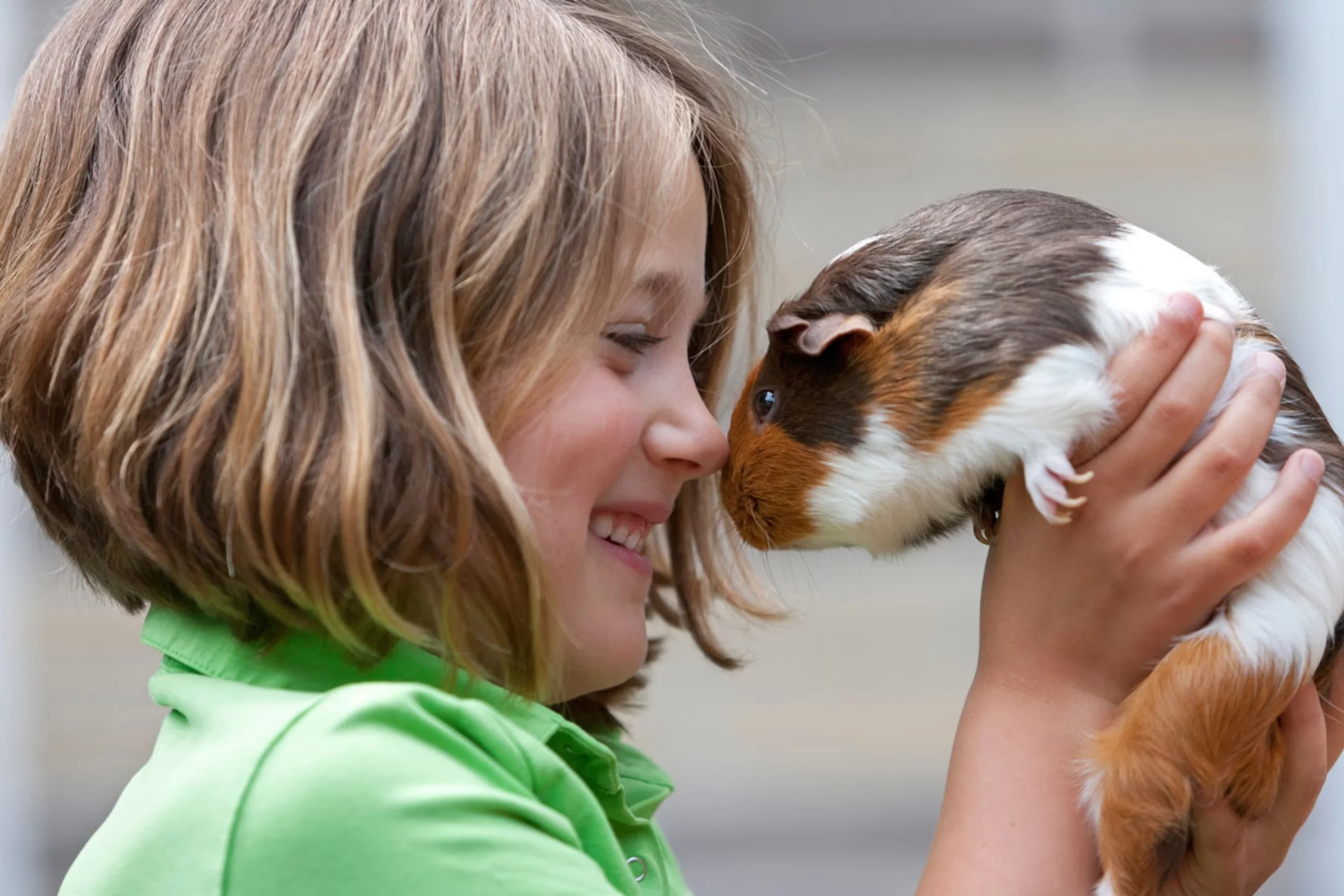

Small mammals are frequently marketed as "starter pets" for children or low-maintenance alternatives to dogs and cats. This perception is one of the most dangerous myths in pet ownership. While they do not require walks, species like rabbits, guinea pigs, and rats have complex social, dietary, and environmental needs that, when unmet, lead to severe behavioral and health issues.
Before bringing a small mammal home, it is critical to look past the cute exterior and understand the commitment. This guide analyzes the five most popular small pet species, comparing their true costs, lifespans, and care requirements to help you make an informed decision.
Quick Comparison: Which Small Pet Fits Your Life?
Rabbit
The True Cost of Small Mammal Ownership
One of the biggest surprises for new owners is the financial commitment. While the initial purchase price of a hamster or gerbil may be under $20, the setup and ongoing care are considerable. Annual costs for small mammals typically range from $300 to $1,000 depending on the species .
- Housing: Most pet store cages are inadequate. A proper rabbit enclosure or rat tower can cost $150 to $300.
- Veterinary Care: Exotic vets charge higher fees than general practitioners. A single sick visit can range from $50 to $150, and surgeries (like spaying a rabbit) can exceed $500.
- Diet: Fresh produce, high-quality hay, and specialized pellets are recurring monthly costs. Guinea pigs, for instance, consume large amounts of fresh vegetables daily.
Rabbits: High-Maintenance Companions, Not Starter Pets
Rabbits are the third most popular pet in many countries but also the most surrendered to shelters. They are prey animals that often find being picked up terrifying. Instead of "cuddly" lap pets, they are best viewed as free-roaming companions similar to cats.
Housing and Space
The myth of the "hutch" is harmful. Rabbits need space to run, jump, and stand fully upright. A minimum enclosure size for a pair is 3 meters by 1.5 meters, but most welfare organizations now recommend free-roaming indoors with a large exercise pen for sleeping . They require rabbit-proofing of your home, as they will chew baseboards, wires, and furniture.
Dietary Requirements
A rabbit's digestive system is delicate. Their diet must consist of:
- 80-90% Hay: Unlimited Timothy or Orchard grass hay is non-negotiable for gut motility and dental wear.
- Fresh Greens: Daily servings of leafy greens like romaine, cilantro, and kale.
- Limited Pellets: High-fiber, uniform pellets (avoid muesli mixes which cause selective feeding).
If a rabbit stops eating or pooping for even 12 hours, it can be fatal. This condition, called Gastrointestinal Stasis, is often caused by stress, pain, or poor diet. Immediate veterinary intervention is required.
Guinea Pigs: Social Herbivores with Specific Needs
Guinea pigs are vocal, diurnal (active during the day), and generally more tolerant of handling than rabbits. However, they are fragile and require a committed owner who understands their social nature.
The Vitamin C Requirement
Unlike most mammals, guinea pigs cannot synthesize Vitamin C. A deficiency leads to scurvy, causing joint pain, lethargy, and dental issues. They require daily supplementation through fresh bell peppers, kale, or a stabilized vitamin C supplement, in addition to unlimited hay .
Housing Constraints
Guinea pigs are ground-dwelling animals. They do not climb, so vertical space is useless to them. They need expansive flat floor space. A pair requires a minimum of 7.5 square feet, but 10.5 square feet is recommended for their well-being. Wire-bottom floors must be avoided as they cause painful bumblefoot infections.
Hamsters: Solitary and Nocturnal
Hamsters are often misunderstood. Syrian hamsters are strictly solitary and will fight to the death if housed together. Dwarf hamsters are sometimes kept in pairs but require careful monitoring. They are nocturnal, meaning they sleep all day and are active at night, which may not match a child's schedule.
Enrichment and Burrowing
In the wild, hamsters dig extensive burrow systems. Captive hamsters need deep substrate (at least 6 inches, ideally 10+) to burrow. Glass aquariums or bin cages are often better than wire cages for retaining deep bedding. They also require a solid-surface wheel (not wire mesh) that is large enough to keep their spine straight while running (8+ inches for Syrians) .
Rats: The "Pocket Dogs" of the Rodent World
Fancy rats are exceptionally intelligent, social, and affectionate. They can learn their names, perform tricks, and bond closely with humans. However, their short lifespan and susceptibility to respiratory issues are meaningful downsides.
Respiratory Health
Rats are prone to Mycoplasma pulmonis, a bacteria that causes chronic respiratory disease. Symptoms include wheezing, clicking sounds when breathing, and red porphyrin discharge around the eyes (often mistaken for blood). Keeping their environment dust-free is critical. Use paper-based bedding or aspen shavings, and avoid pine or cedar shavings which release aromatic oils that damage their lungs .
Social Structure
Rats must never be kept alone. They require same-sex pairs or groups. Introducing adult males can be challenging and requires neutral territory introductions. Female rats are generally easier to introduce but have a high risk of mammary tumors as they age, so regular health checks are important .
Gerbils: Active and Digging-Obsessed
Gerbils are desert animals adapted to dry conditions. They produce very little urine, making them less odorous than other rodents. They are highly social and must be kept in same-sex pairs, ideally littermates introduced young.
Tank Setup
Gerbils need a glass tank or plastic bin with a secure lid, as they can chew through wire mesh. The key feature of a gerbil habitat is deep bedding for tunneling. They also enjoy sand baths (using chinchilla sand, not dust) to keep their fur clean and oil-free.
Essential Care Topics for All Small Mammals
Choosing the Right Bedding
Bedding choice impacts respiratory health and hygiene.
- Paper Bedding: Highly absorbent, dust-free, and safe for all species. Ideal for rats and rabbits.
- Aspen Shavings: Safe wood shaving option. Avoid pine and cedar, which contain phenols that cause liver damage and respiratory issues in small mammals .
- Fleece Liners: Reusable and soft, often used for guinea pigs and rats. Requires daily spot cleaning to prevent ammonia buildup.
Enrichment: More Than Just Toys
Boredom in small mammals leads to destructive behaviors like bar chewing, over-grooming, and aggression. Enrichment should include:
- Foraging: Scatter feed instead of using bowls. Hide treats in cardboard tubes or paper bags.
- Chewing: Provide apple wood sticks, willow balls, and hay mats to wear down constantly growing teeth.
- Exploration: Rotate toys weekly and provide safe out-of-cage playtime in a pet-proofed area.
Zoonotic Diseases and Safety
Small mammals can carry diseases transmissible to humans, such as Salmonella and Lymphocytic Choriomeningitis Virus (LCMV). The CDC advises that children under 5, adults over 65, and immunocompromised individuals should avoid handling rodents . Always wash hands thoroughly after handling pets or cleaning cages.
General dog/cat vets often do not treat small mammals. Locate a certified exotic veterinarian before bringing your pet home. Ask if they perform dental procedures on rabbits or respiratory treatments for rats, as these are common emergencies.
Frequently Asked Questions
What is the easiest small mammal to keep as a pet?
Gerbils and rats are often considered the most rewarding for beginners willing to handle them. Gerbils are low-odor and entertaining to watch, while rats are dog-like in their affection. However, "easy" is relative; all small mammals require daily care, specialized diets, and exotic veterinary attention.
Do rabbits make good indoor pets?
Yes, rabbits thrive indoors where temperatures are stable and they can interact with their family. They must be litter-trained and provided with ample space to run. Outdoor hutches expose them to predators, extreme weather, and flystrike, a potentially fatal condition.
Can guinea pigs live alone?
No. Guinea pigs are herd animals and suffer severe stress and depression when kept alone. In countries like Switzerland, keeping a single guinea pig is illegal. They should always be kept in same-sex pairs or neutered mixed pairs.
How long do small mammals live?
Lifespans vary: Hamsters and rats live 2-3 years; gerbils live 3-5 years; guinea pigs live 5-7 years; and rabbits can live 8-12 years. Consider this commitment carefully, especially for children who may lose interest over time.
Can I house a rabbit and a guinea pig together?
No. Rabbits and guinea pigs should never be housed together. Rabbits can accidentally injure guinea pigs with their powerful hind legs. Furthermore, rabbits produce vitamin C naturally, while guinea pigs do not, making their dietary needs incompatible.
Medical disclaimer: This article is for educational purposes only and does not constitute veterinary advice. Always consult a licensed veterinarian for diagnosis and treatment of your pet's health conditions.