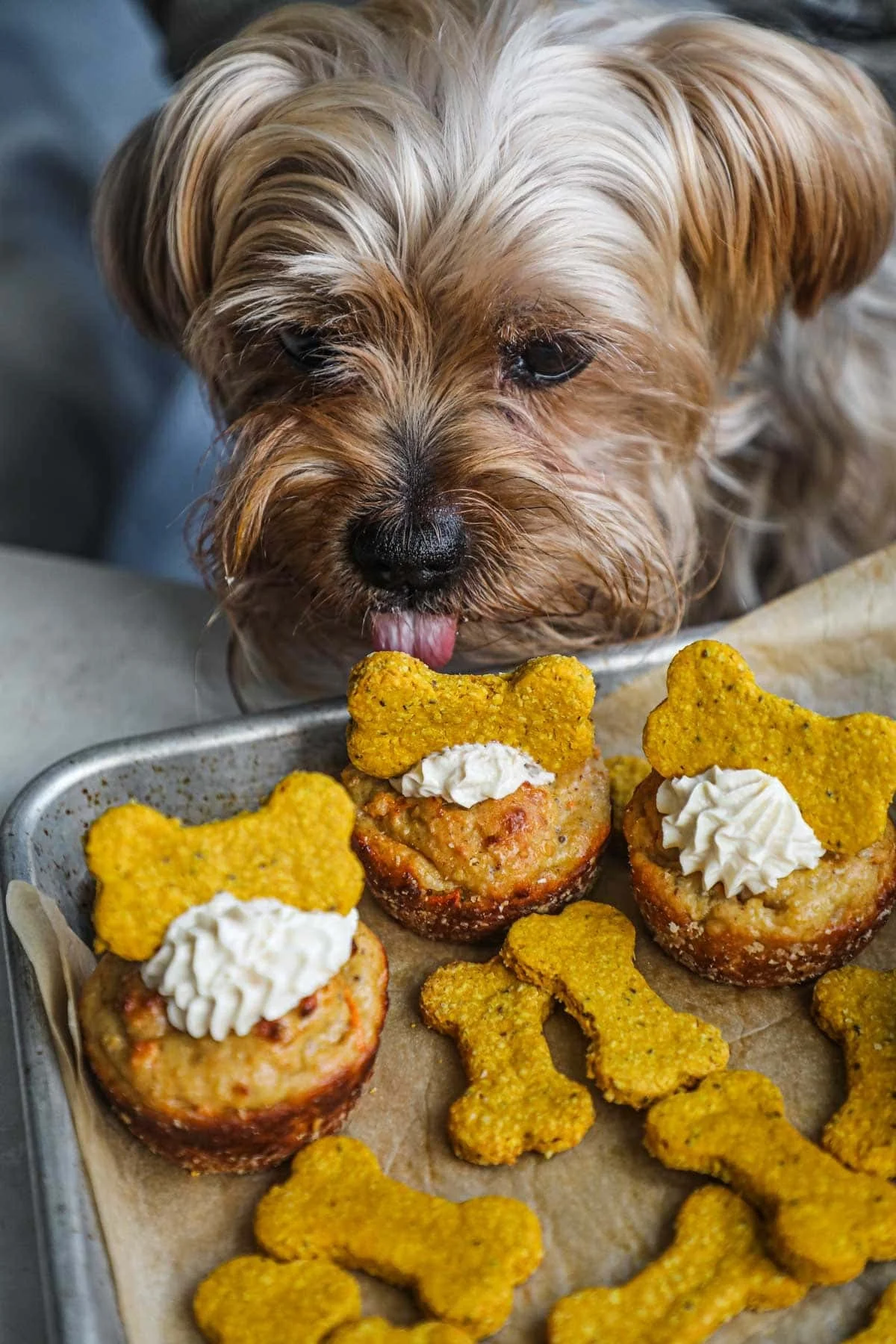
Treats are valuable training tools and bonding opportunities, but they significantly impact your dog's overall nutrition and weight. Choosing healthy options and practicing portion control ensures treats strengthen rather than compromise your dog's health. This guide covers nutritious alternatives, portion guidelines, and ingredients to avoid.
Nutritious Treat Alternatives
Many human foods make excellent dog treats when prepared properly. Plain cooked chicken, carrots, apple slices (without seeds), green beans, plain pumpkin, and plain rice are safe options. Freeze-dried liver, dehydrated sweet potato, and dental chews approved by the Veterinary Oral Health Council provide variety. Always introduce new foods gradually and in small amounts to monitor for allergies or digestive upset.
Portion Control Guidelines
Treats should not exceed ten percent of your dog's daily caloric intake. For example, a thirty pound dog needing nine hundred calories daily should receive no more than ninety calories from treats. Break larger treats into smaller pieces for training. Adjust main meal portions accordingly to prevent weight gain. Consider using part of your dog's regular kibble as training rewards to maintain nutritional balance.
Commercial Treat Evaluation
Quality varies significantly among commercial treats. Look for products with named meat sources as first ingredients (like "chicken" rather than "meat meal"). Avoid treats with artificial preservatives (BHA, BHT, ethoxyquin), artificial colors, excessive fillers (corn, soy, wheat), and vague ingredient descriptions ("animal digest"). Research brands and manufacturing locations, prioritizing companies with transparent sourcing and quality control.
Homemade Treat Recipes
Making treats at home ensures ingredient control and freshness. Simple recipes include baked sweet potato slices, frozen banana and yogurt bites (for dogs tolerant of dairy), or peanut butter and pumpkin biscuits (using xylitol free peanut butter). Store homemade treats properly and use within recommended timeframes to prevent spoilage. Consult your veterinarian before introducing new ingredients, especially for dogs with health conditions.
Ingredients to Avoid
Never feed treats containing chocolate, grapes/raisins, onions/garlic, xylitol (common in sugar free products), macadamia nuts, or alcohol. Avoid high fat treats that can trigger pancreatitis. Steer clear of rawhide chews that pose choking hazards or contain chemical residues. Be cautious with bones that can splinter and cause internal injuries. When in doubt about an ingredient, consult your veterinarian.