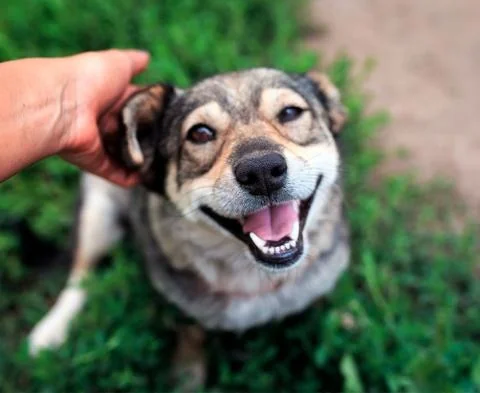

Mange is a skin disease caused by mites. It can cause serious discomfort, hair loss, and skin damage if left untreated — persistent discomfort can also manifest as behavioral changes resembling fear or anxiety.
Types of Mange
Sarcoptic mange is highly contagious and causes severe itching. Demodectic mange usually appears when the immune system is weakened.
Recognizing Symptoms
Watch for scratching, hair loss, red skin, crusts, sores, odor, and irritated patches.
Diagnosis Process
Veterinarians diagnose mange using skin scrapings and microscopic examination.
Treatment Approaches
Treatment may include prescription antiparasitic medicine, medicated baths, antibiotics for infections, and cleaning the environment.
Home Care and Prevention
Wash bedding, clean grooming tools, maintain good nutrition, and keep up with regular vet care.
Frequently Asked Questions
What are the signs of mange in dogs?
Common signs include itching, hair loss, inflamed skin, and crusty lesions.
Is mange contagious to humans?
Sarcoptic mange may temporarily irritate humans. Demodectic mange does not spread to humans.
How is mange treated?
Veterinary treatment often includes prescription antiparasitic medication.
Medical disclaimer: This article is for educational purposes only and does not constitute veterinary advice. Always consult a licensed veterinarian for diagnosis and treatment of your pet's health conditions.