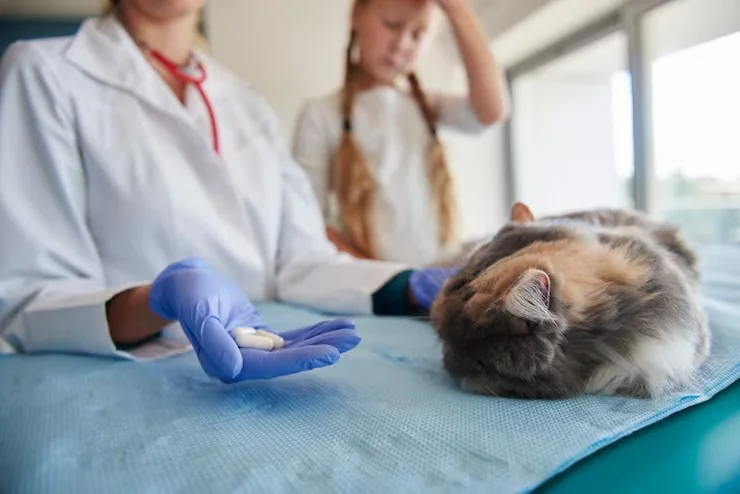

How to do a daily mammary gland check
During the first few weeks of nursing, take a minute each day to gently feel each of the mother's mammary glands. Healthy glands should feel relatively soft, similar in size to one another, and not noticeably warmer than the surrounding skin. You're checking for:
- Firmness or hardness in one gland compared to the others
- Heat, a gland that feels noticeably warmer to the touch
- Swelling or an obvious size difference between glands
- Discoloration, including redness, purple, or bruised-looking skin
- Discharge that looks abnormal, such as blood-tinged or pus-like fluid instead of normal milk
- Sensitivity, the mother flinching, pulling away, or seeming uncomfortable when a gland is touched
Catching a change early, while it's still mild, generally makes treatment simpler and recovery faster.
Mild versus severe mastitis
Mastitis exists on a spectrum. A mild case often involves one gland that's somewhat warm, mildly swollen, and tender, while the mother otherwise continues eating, nursing, and behaving normally. A more severe or septic case involves a gland that's hard, hot, and discolored, sometimes with a bluish or purplish tinge, and the mother herself often seems unwell: fever, lethargy, reduced appetite, and reluctance to let puppies nurse from the affected side. Severe mastitis can progress to a systemic infection if untreated, which makes it genuinely dangerous rather than just uncomfortable for the mother.
When to call the vet
Any suspected mastitis is worth a call to your veterinarian, since what looks mild in the morning can become more serious quickly. Contact your vet the same day if you notice a hard, hot, or discolored gland, abnormal discharge, or if the mother is acting unwell, off her food, running a fever, or reluctant to nurse. Don't wait to see if it resolves on its own, particularly if the mother herself seems sick rather than just having one uncomfortable gland.
What treatment usually looks like
Treatment depends on severity. Mild cases may be managed with warm compresses, continued nursing or manual expression to help keep the gland from becoming further engorged, and close monitoring, sometimes without antibiotics if there's no sign of infection. More significant or infected cases typically require antibiotics, and in severe abscessed cases, your vet may need to drain the affected gland surgically. If a gland is significantly affected, your vet may recommend keeping puppies from nursing on that side temporarily, in which case you'll need a plan for supplementing those puppies' feeding, such as bottle feeding or shifting them to unaffected glands, until the gland recovers.
Frequently Asked Questions
How do I check a nursing dog for mastitis?
Gently feel each mammary gland daily during the first few weeks of nursing. Healthy glands should feel soft and roughly even in size and temperature. A gland that feels firm, hot, swollen, discolored, or noticeably more tender than the others is a sign to check further, and possibly a reason to call your veterinarian.
What is the difference between mild and severe mastitis?
Mild mastitis usually involves one gland that is warm, mildly swollen, and tender, with the mother otherwise acting normally. Severe or septic mastitis involves a hard, hot, discolored gland, often with a fever, lethargy, and reduced appetite in the mother, and can become life-threatening if untreated. Any suspected mastitis should be evaluated by a veterinarian, since it can progress quickly.
Can puppies still nurse from a gland with mastitis?
This depends on the severity and your veterinarian's guidance. In some mild cases, continued nursing or manual expression of the affected gland can help resolve mild inflammation. In more severe or infected cases, a veterinarian may recommend keeping puppies away from the affected gland, and you may need to supplement those puppies' feeding until the infection resolves.
Medical disclaimer: This article is for educational purposes only and does not constitute veterinary advice. Always consult a licensed veterinarian for diagnosis and treatment of your pet's health conditions.