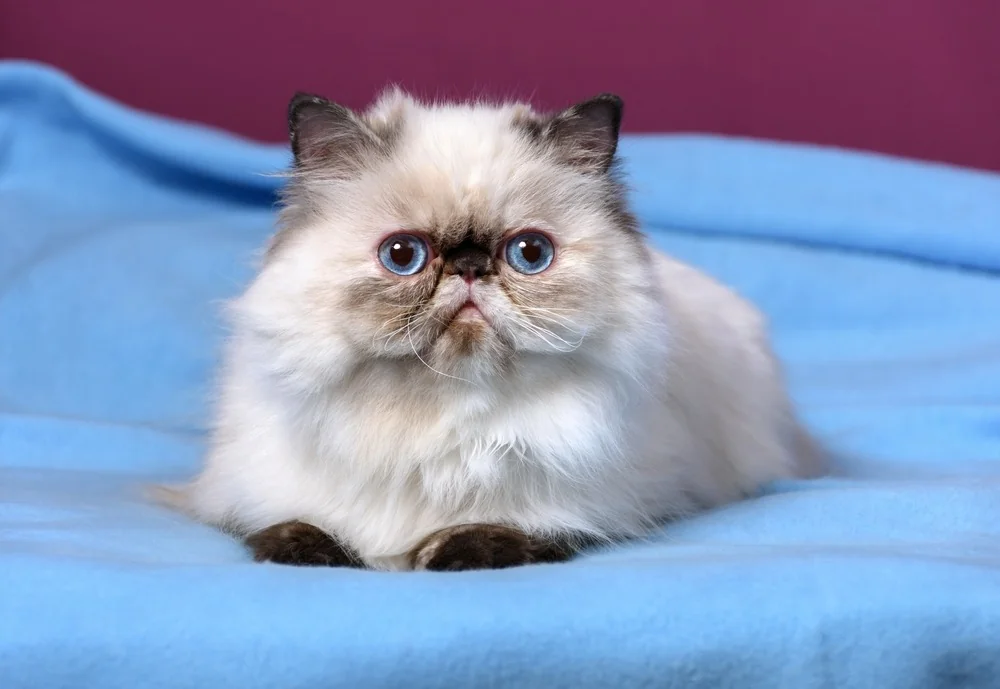

Persian cats are renowned for their luxurious long coats, sweet expressions, and calm demeanor. Bred for companionship, they thrive in quiet, predictable environments where they receive consistent care and attention. This guide outlines essential grooming routines, temperament traits, and health considerations for Persian owners.
Temperament and Daily Life
Persians are gentle, affectionate cats that prefer relaxed households. They enjoy lounging in comfortable spots and form strong bonds with their owners. Unlike high energy breeds, Persians do not require extensive play sessions. They communicate through soft vocalizations and subtle body language, making them ideal companions for calm home environments.
Grooming and Coat Maintenance
The Persian coat demands consistent care to prevent tangles and matting. Daily brushing with a metal comb removes loose hair and distributes natural oils — see our cat grooming tools guide for the right equipment by coat type. Weekly baths using cat specific shampoo keep the coat clean and manageable. Regular trimming around the hindquarters and paw pads prevents debris accumulation. Dental care and nail trimming should also be incorporated into your weekly routine.
Facial Structure and Eye Care
The Persian flat face requires special attention — see our full brachycephalic cat care guide for breathing and facial health considerations. Tear staining is common due to shortened tear ducts. Gently wiping the area under the eyes daily with a damp cloth prevents irritation and discoloration. Ensure the nose remains clear for comfortable breathing. Regular veterinary checks help monitor respiratory health and dental alignment.
Health Considerations
Persians may be predisposed to polycystic kidney disease, breathing difficulties, and dental crowding. Responsible breeding practices and genetic screening reduce these risks. Maintain a healthy weight through portion controlled feeding and monitor for signs of respiratory distress. Routine veterinary exams support early detection and long term wellness.
Frequently Asked Questions
How often should I groom a Persian cat?
Persian cats require daily brushing to prevent matting and hairballs. Weekly bathing and regular eye cleaning are also recommended to maintain their long coat and facial structure.
Are Persian cats good for apartments?
Yes. Persians are calm, low energy cats that adapt well to indoor living. They prefer quiet environments and do not require extensive play space.
What health issues are common in Persian cats?
Persians may experience breathing difficulties due to their flat faces, polycystic kidney disease, and dental crowding. Regular veterinary checkups and proper grooming help manage these risks.
Medical disclaimer: This article is for educational purposes only and does not constitute veterinary advice. Always consult a licensed veterinarian for diagnosis and treatment of your pet's health conditions.