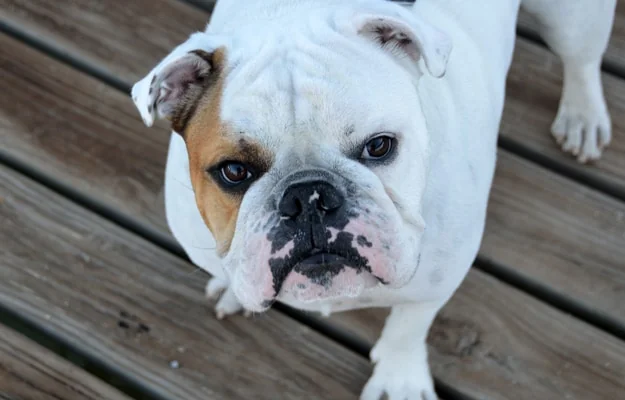

The Pug's charm comes with real medical responsibility: as a brachycephalic breed, their flattened face compresses the airway, causing breathing difficulty that ranges from mild snoring to genuine respiratory distress. Watch for open-mouth breathing without exertion, exercise intolerance, or blue-tinged gums (cyanosis) — these signal a true emergency, not just "how Pugs sound." Heat is especially dangerous: Pugs overheat far faster than typical breeds and need careful management in warm weather. A responsible Pug owner treats breathing health as a daily priority, not a breed quirk to accept.
The Pug is one of the oldest and most instantly recognizable dog breeds in the world, with a history spanning over 2,000 years at the courts of Chinese emperors and later across European royal households. Today they are beloved companions in homes worldwide, known for their comical personality, deep loyalty, and unmistakable wrinkled face. However, the Pug's physical structure also comes with serious health responsibilities that every prospective owner must understand before committing.
Breed Overview at a Glance
History and Origins
The Pug is one of the oldest dog breeds in existence, with a history tracing back to ancient China before 400 BCE. Chinese emperors kept flat-faced dogs known as Lo-sze as prized companions, keeping them in luxury and guarding them with soldiers. The breed eventually traveled along trade routes to Europe, arriving in the Netherlands with the Dutch East India Company in the 16th century. They quickly found favor with European royalty: William of Orange reportedly credited his Pug with saving his life by alerting him to approaching Spanish assassins, and the breed became the official dog of the House of Orange.
The Pug was formally recognized by the American Kennel Club in 1885 and remains a consistently popular companion breed. The Pug's famous motto, multum in parvo (much in little), is recognized by the AKC as the breed's defining quality.
Temperament and Personality
The Pug's personality is as distinctive as its appearance. They are sociable, affectionate, and deeply people-oriented, following family members from room to room and seeking constant companionship. They are rarely aggressive and are notably patient and tolerant, traits that make them excellent companions for gentle, older children.
- Stubbornness: Pugs are intelligent but independent thinkers. Training is effective with positive reinforcement and food motivation, but patience is required. They respond very poorly to harsh corrections.
- Clownishness: The Pug is widely described as the clown of the dog world. Their facial expressiveness, physical comedy, and apparent awareness of audience response genuinely entertain their owners.
- Velcro tendency: Pugs dislike being alone and can develop separation anxiety if left in isolation for extended periods. They are genuinely happiest as a constant companion.
- Vocalization: Pugs are not typically excessive barkers, but they are not quiet dogs: they snort, grunt, snore, and wheeze as a natural consequence of their anatomy.
Apartment Suitable
One of the best apartment breeds. Low exercise requirements, moderate size, and quiet temperament suit urban living well.
Family Friendly
Excellent with older children and seniors. Patient and affectionate. Best supervised with very young toddlers due to their small size.
Heat Sensitive
Cannot tolerate heat or humidity. Must be in air conditioning when temperatures exceed 20C (68F). This is not optional for this breed.
Dog Friendly
Generally sociable with other dogs when properly socialized. Does well in multi-dog households, particularly with another Pug.
Trainability
Food motivated and willing to please, but independent. Short, reward-based training sessions work far better than lengthy repetitive practice.
Shedding
Despite their short coat, Pugs are considerable shedders. The short, fine hairs embed in fabric and require regular vacuuming and lint rolling.
Health: The Critical Conversation
No breed guide for Pugs is complete or responsible without an honest discussion of the health implications of their anatomy. The Pug's flat face, large eyes, compact body, and curled tail are the results of selective breeding for exaggerated features that have meaningful consequences for health and quality of life.
Brachycephalic Obstructive Airway Syndrome (BOAS)
BOAS is the collective term for the respiratory difficulties caused by the Pug's anatomy: stenotic nares (narrowed nostrils), an elongated soft palate that partially obstructs the airway, and a hypoplastic trachea (undersized windpipe). Severity varies significantly between individual dogs. Some Pugs manage comfortably throughout their lives with careful exercise and heat management. Others require surgical intervention, including nares widening and soft palate shortening, to breathe comfortably. Signs of clear BOAS include: loud, constant respiratory noise at rest, open-mouth breathing without exertion, exercise intolerance, sleep apnea, and cyanosis (blue gums) during excitement or exertion — see our emergency vet signs guide for when this requires urgent care.
If you are considering a Pug, ask any breeder about the BOAS status of both parents and whether they have been breathing assessed under the Kennel Club's Respiratory Function Grading Scheme (UK) or equivalent programs.
Eye Conditions
The Pug's large, prominent eyes are one of the breed's most endearing features and one of its greatest vulnerabilities. The eyes can prolapse (proptose) from their shallow sockets with minimal trauma. Corneal ulcers are common due to reduced ability to fully close the eyelids. Dry eye (keratoconjunctivitis sicca) requires lifelong management with artificial tears and medication. Any redness, squinting, discharge, or cloudiness in a Pug's eye warrants same-day veterinary assessment.
Skin Fold Care
The deep facial wrinkles that give Pugs their characteristic expression trap moisture, debris, and bacteria, creating ideal conditions for skin fold dermatitis. Clean each fold daily with a dry cotton pad or purpose-designed skin fold wipe. Signs of infection include redness, odor, discharge, or your Pug rubbing their face persistently.
Pug Dog Encephalitis (PDE)
A devastating breed-specific condition causing fatal brain inflammation, typically in young to middle-aged Pugs. Onset is sudden, with seizures, disorientation, and rapid deterioration. There is no cure and the condition is invariably fatal. A DNA test is available to identify Pugs carrying the genetic markers associated with PDE susceptibility. Responsible breeders test for this.
Exercise and Activity
Pugs need exercise for weight management and mental stimulation, but their breathing limitations require careful management. Two gentle 20-minute walks per day is appropriate for healthy adult Pugs in temperate weather. Always walk Pugs in the early morning or late evening during summer. Carry water. Stop immediately if you observe any sign of breathing distress. Invest in a well-fitting harness rather than a collar to avoid any pressure on the throat.
Grooming the Pug
- Coat: Weekly brushing with a soft bristle brush or rubber curry comb. Despite their short coat, Pugs shed significantly year-round.
- Facial folds: Clean daily with dry cotton pads or fold wipes. Check for redness or odor indicating infection.
- Nails: Trim every 3 to 4 weeks. Overgrown nails are particularly problematic in this breed as they affect gait and joint alignment.
- Ears: Check weekly. Button ears can trap debris. Clean with a veterinarian-approved solution when needed.
- Teeth: Daily brushing is important. Pugs are prone to dental crowding due to their compressed jaw structure.
- Tail fold: The curled tail creates a skin fold on the rump that requires regular cleaning to prevent infection.
Nutrition and Weight Management
Obesity is one of the most serious health risks for Pugs. Excess weight directly worsens breathing difficulties, increases joint stress, and significantly shortens life expectancy. Pugs are enthusiastic food seekers and will eat far beyond their needs if allowed. Feed measured portions twice daily rather than free feeding. Treats should make up no more than 10% of daily caloric intake. A healthy adult Pug typically eats 3/4 to 1 cup of a quality dry food per day divided into two meals, though this varies by individual.
Tip: Consider a Rescue Pug Many Pugs end up in rescue organizations through no fault of their own when owners underestimate their care needs or veterinary costs. Rescuing a Pug gives you a dog with a known personality, often already past the demanding puppy phase, and many rescue groups specifically assess suitability with children and other pets before placement.
Is the Pug Right for You?
The Pug is an extraordinary companion for the right owner: someone who wants a devoted, amusing, people-centered dog that thrives on closeness and does not demand hours of outdoor exercise. They are not the right choice for very active owners who want a running or hiking partner, for households without air conditioning in hot climates, or for owners who want a low-maintenance dog in terms of health monitoring. Veterinary costs for this breed are above average, and owners should budget realistically for potential BOAS management, eye care, and dental treatment throughout the dog's life.