Small pets can teach children responsibility, empathy, and compassion while providing companionship. However, not all small animals are suitable for young handlers. This guide covers the best beginner friendly options, their care requirements, and how to encourage responsible pet ownership in your family.
Top Small Pets for Families
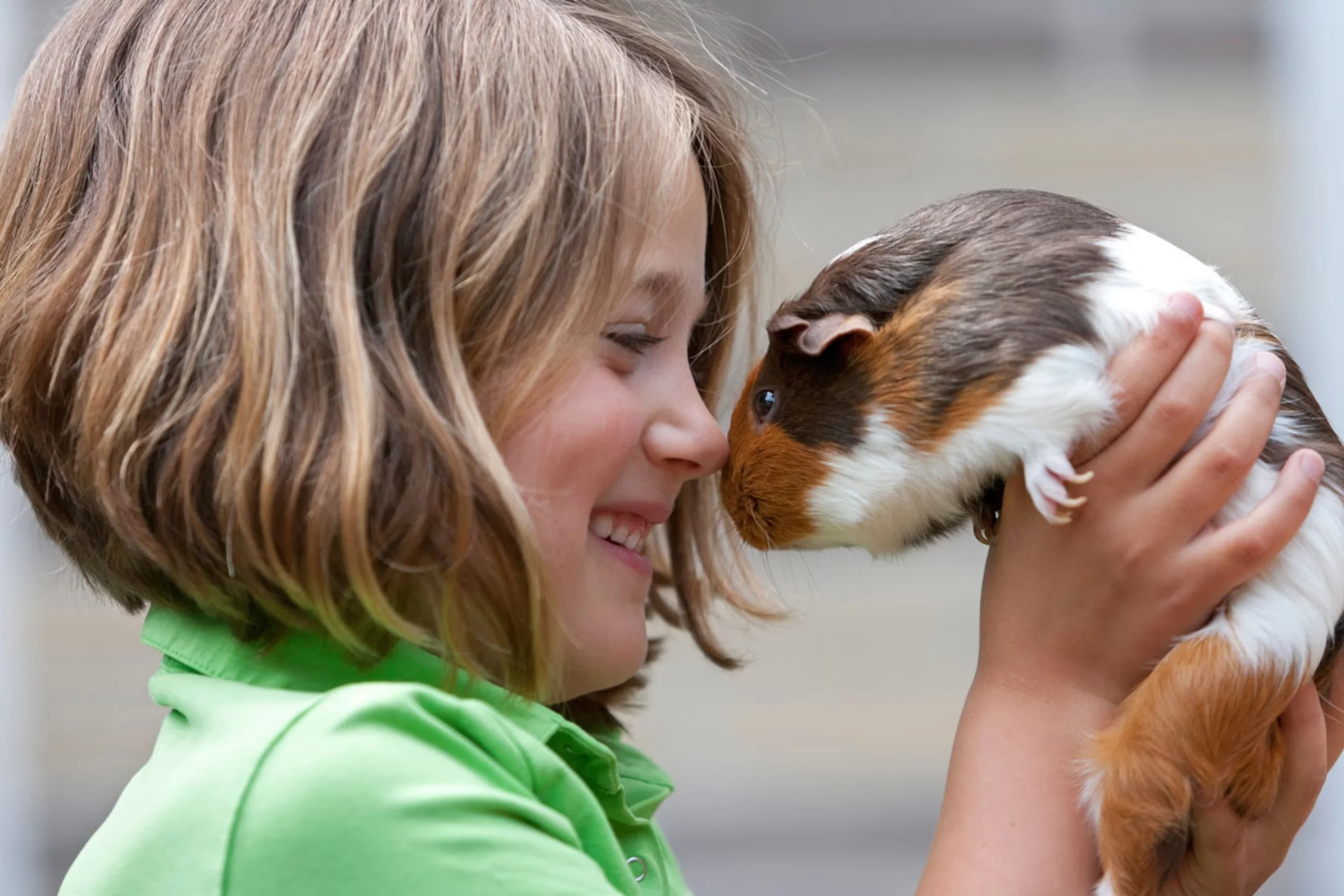
Guinea pigs are often ideal for young children due to their gentle nature, social behavior, and daytime activity patterns. They rarely bite when handled properly and enjoy interaction. Rabbits can be wonderful companions but require more space and careful handling due to fragile spines. Hamsters are low maintenance but nocturnal, which may frustrate children wanting daytime interaction. Gerbils and rats also make excellent pets with proper research.
Housing and Environmental Needs
Provide species appropriate housing with ample space. Guinea pigs need minimum two by three feet of floor space with solid bottoms. Rabbits require even larger enclosures plus daily exercise time. Hamsters need escape proof cages with deep bedding for burrowing. All enclosures should include hiding places, appropriate bedding, and protection from drafts, direct sunlight, and household predators like cats or dogs.
Nutrition and Daily Care
Diet varies significantly by species. Guinea pigs require unlimited timothy hay, fresh vegetables rich in vitamin C, and limited pellets. Rabbits need similar hay based diets with leafy greens. Hamsters thrive on commercial hamster mixes supplemented with fresh vegetables. All small pets need fresh water daily and clean food dishes. Spot clean soiled areas daily and perform complete bedding changes weekly.
Handling and Socialization
Teach children proper handling techniques: support the entire body, never grab tails or limbs, and handle over soft surfaces in case of drops. Start with short sessions and gradually increase duration as the pet becomes comfortable. Always supervise young children during interactions. Wash hands thoroughly before and after handling to prevent disease transmission.
Teaching Responsibility
Assign age appropriate tasks: younger children can help fill food dishes or observe care routines, while older children can take on feeding, cleaning, and monitoring responsibilities. Create a care chart with visual reminders. Notes that pets depend on humans for their wellbeing and cannot be neglected during vacations or busy periods.