Why French Bulldogs struggle to whelp naturally
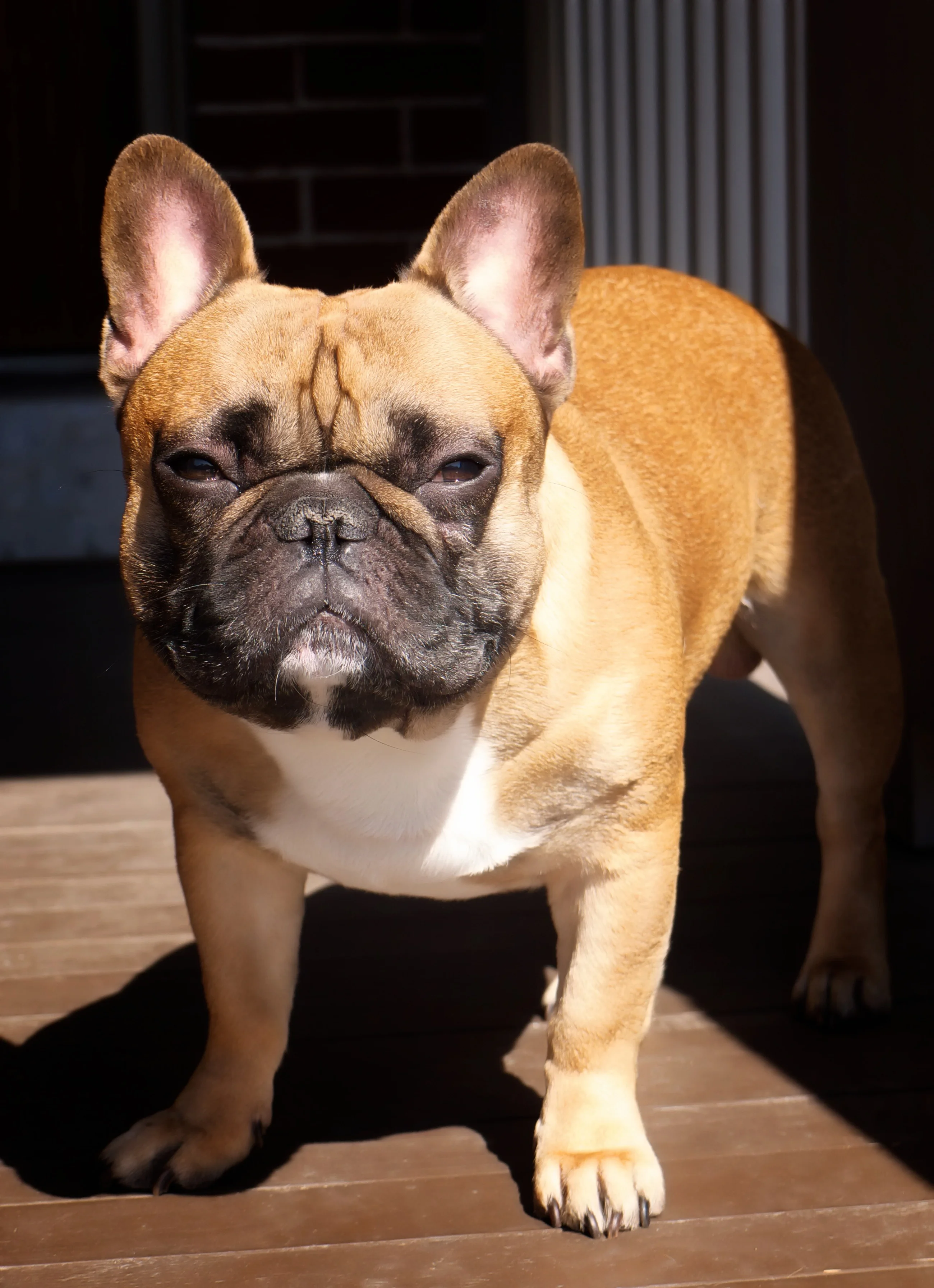
French Bulldogs are a brachycephalic breed, meaning they've been selectively bred over generations for a short, broad muzzle and a wide, rounded skull. That same skull shape that defines the breed's look also creates a real obstacle at birth: puppies inherit the broad head, but the mother's pelvic canal has not widened to match. The result is a frequent size mismatch between puppy and birth canal that can make natural delivery difficult or impossible, regardless of how strong the mother's labor is.
This isn't a rare complication in the breed, it's closer to the norm. Research examining C-section rates across dog breeds has consistently placed French Bulldogs at or near the top, with figures in published studies ranging from about 40% to more than 80% of litters requiring surgical delivery, depending on the population studied. Because of this, many experienced Frenchie breeders don't wait for labor to fail before acting: they work with a veterinarian to schedule an elective C-section around the expected due date, timed using progesterone testing to confirm the puppies are fully developed.
Natural mating is often difficult too
The same body shape that complicates whelping can also make natural mating physically difficult for French Bulldogs. For this reason, artificial insemination is common in the breed, with a veterinarian or reproduction specialist collecting and inseminating semen at the optimal point in the female's cycle, determined through progesterone testing. This doesn't change the risks at delivery. A puppy conceived via insemination still needs to be born the same way as one conceived naturally, and breeding a Frenchie typically involves veterinary involvement from very early in the process, not just at the end.
Signs labor is not progressing normally
Whether your Frenchie is attempting a natural delivery or you're monitoring her before a scheduled C-section, it helps to know the specific signs that mean labor has stopped being routine and has become an emergency:
- Active straining for more than 30 minutes without a puppy being delivered.
- A pause of more than 2 to 4 hours between puppies when you know or suspect more remain.
- Green, black, or dark discharge appearing before the first puppy arrives, this can indicate the placenta has separated and the puppy is in distress.
- Visible exhaustion, weakness, trembling, or collapse in the mother at any point during labor.
- A puppy visibly stuck in the birth canal that doesn't progress with a few minutes of the mother's own straining.
Any one of these signs is reason to call your veterinarian or an emergency animal hospital immediately, not to wait and see if things improve on their own. Because brachycephalic breeds also carry elevated anesthesia risk due to their airway structure, an emergency C-section is medically more complex than a planned one, which is part of why many veterinarians recommend scheduling delivery in advance for this breed rather than waiting for a crisis.
What a planned C-section typically involves
For breeders and owners planning ahead, a typical process includes progesterone testing in the days leading up to the expected due date to pinpoint the ideal timing, since French Bulldog pregnancies (like those of other dogs) last about 63 days from ovulation. The surgery is usually scheduled for the day before the anticipated natural delivery date. After birth, puppies need close monitoring for normal breathing and body temperature, since brachycephalic newborns can also face early breathing challenges. Discuss a specific recovery and newborn-care plan with your veterinarian well before the due date arrives, not after labor has already started.
Caring for mother and puppies after surgery
Recovery from a C-section takes time, and a new Frenchie mother will need a quiet, warm space to rest and nurse. Keep an eye on the incision site for redness, swelling, or discharge, and monitor her temperature and appetite in the days following surgery, a fever, lethargy, or refusal to eat can indicate a postoperative infection and should prompt a call to your vet. For guidance on what's normal versus concerning once puppies are nursing, see our guide on recognizing reproductive emergencies in female dogs.
Frequently Asked Questions
Can a French Bulldog give birth naturally?
Some French Bulldogs can deliver naturally, but a large share cannot, due to the mismatch between a puppy's broad skull and the mother's comparatively narrow pelvis. Because of this, many veterinarians and breeders plan an elective C-section in advance rather than risk a prolonged, unsuccessful natural labor.
How do you know when a pregnant French Bulldog needs a C-section?
Signs that labor isn't progressing safely include active straining for more than 30 minutes without a puppy appearing, more than 2 to 4 hours between puppies when more are expected, green or black discharge before a puppy is delivered, or a mother who becomes weak, lethargic, or collapses. Any of these signs warrants an immediate emergency vet visit.
Is it safe to breed a French Bulldog naturally?
Natural mating is often physically difficult for French Bulldogs due to their body shape, which is why many breeders use artificial insemination. Whether mating occurs naturally or via insemination, whelping itself still carries a high likelihood of needing surgical assistance, so planning with a veterinarian ahead of the due date is strongly recommended.
Medical disclaimer: This article is for educational purposes only and does not constitute veterinary advice. Always consult a licensed veterinarian for diagnosis and treatment of your pet's health conditions.