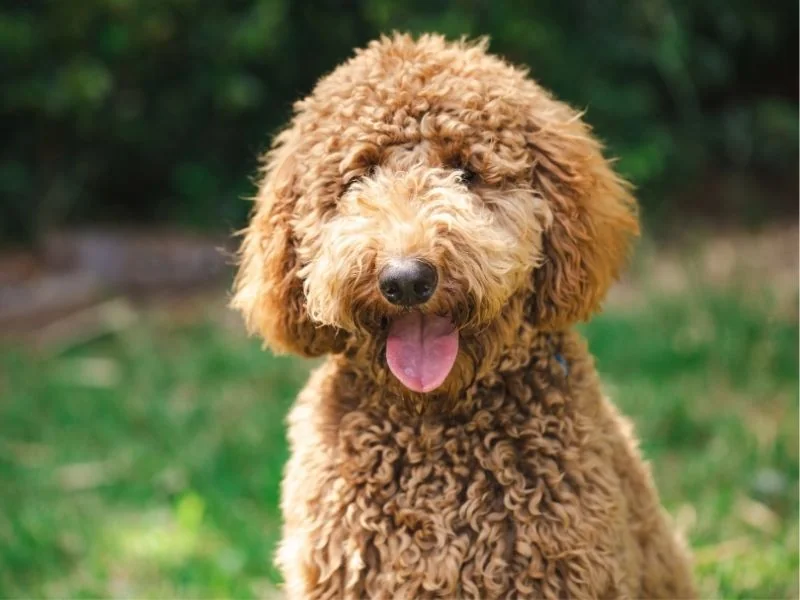
Goldendoodles are not a guaranteed hypoallergenic breed — they are a hybrid with unpredictable coat inheritance. An F1 Goldendoodle (first-generation cross) has roughly a 50% chance of a wavy, lower-shedding coat; some individuals shed heavily. F1b and later generations have more consistent, curlier coats. What is consistent across all Goldendoodles is temperament: sociable, trainable, and deeply people-focused. They also inherit the Golden Retriever's elevated cancer risk and both breeds' tendency toward separation anxiety. Choose a health-tested breeder — not a puppy mill marketing "hypoallergenic" guarantees.
- Breed History and Origin
- Understanding Generations: F1, F1b, F2 and Beyond
- Size Variations
- Coat Types and Grooming Requirements
- Temperament and Personality
- Exercise and Mental Stimulation
- Training and Socialisation
- Health Concerns
- Nutrition and Daily Care
- Is a Goldendoodle Right for You?
- Frequently Asked Questions
Breed Overview
- Goldendoodles are crossbreed dogs combining Golden Retriever gentleness with Poodle intelligence and low shedding traits
- Available in standard, medium, and mini sizes depending on the Poodle parent used in breeding
- Generations like F1, F1b, and F2 influence coat type, shedding potential, and physical consistency
- Require regular grooming three to four times weekly plus professional trims every six to eight weeks
- Highly trainable, family friendly, and excel as therapy and service dogs when properly socialized
The Goldendoodle has rapidly become one of the most sought after companion dogs in recent decades. By blending the loyal, easygoing nature of the Golden Retriever with the sharp intellect and minimal shedding coat of the Poodle, breeders aimed to create a dog that suits modern family life. Their popularity surged as more people sought companions that could adapt to various living situations while producing fewer allergy triggers. See our pet allergy management guide for household strategies alongside breed selection.
This thorough guide covers everything prospective owners need to know about the Goldendoodle, from generation types and size variations to grooming requirements, health considerations, and training strategies. Understanding the traits and responsibilities associated with this crossbreed ensures you can make an informed decision and provide the best possible care.
Quick Breed Facts
Breed History and Origin
The Goldendoodle was first intentionally bred in the 1990s, initially in North America and Australia. The goal was straightforward: combine the Golden Retriever's dependable temperament with the Poodle's predictable low shedding coat. Early breeders focused on creating dogs suitable for allergy sufferers who still wanted a medium to large sized companion.
The concept quickly expanded beyond allergy friendly companionship. As more litters were produced, breeders recognized the crossbreed's exceptional aptitude for therapy work, service dog training, and family integration. Their social nature, combined with high trainability, made them ideal candidates for roles requiring consistent public interaction.
Today, Goldendoodles are bred by both dedicated programs and casual breeders across the globe. The lack of a formal breed standard means variation is common, which is why understanding generation labels, parent lines, and responsible breeding practices matters significantly when selecting a puppy.
Understanding Generations: F1, F1b, F2 and Beyond
Generation terminology describes the breeding lineage and directly influences coat type, shedding potential, and physical consistency. Knowing these labels helps you predict what traits a puppy may inherit.
F1 Goldendoodle: A first generation cross between a purebred Golden Retriever and a purebred Poodle. F1 dogs typically display a 50/50 genetic split. Their coats are usually wavy or loosely curly, and shedding varies from minimal to moderate. Temperament is consistently friendly and adaptable.
F1b Goldendoodle: Created by breeding an F1 Goldendoodle back to a purebred Poodle. This backcross increases the Poodle genetic percentage to approximately 75 percent. F1b dogs generally have curlier, tighter coats with the highest chance of low shedding. They often inherit the Poodle's compact structure and high energy.
F2 Goldendoodle: Produced by breeding two F1 Goldendoodles together. F2 litters show the most variation in coat texture, size, and appearance. Some puppies may shed noticeably more than their parents, while others may inherit the curlier, low shedding coat. Predictability decreases with this generation.
Multi generational (Multigen): Refers to Goldendoodles bred from Goldendoodle parents for three or more generations. Multigen breeding aims to stabilize traits like coat type, size, and temperament. Reputable programs use health testing and careful pairing to maintain consistency across litters.
Size Variations
Goldendoodle size depends entirely on the type of Poodle used in breeding. Responsible breeders clearly state which parent sizes they use so buyers can anticipate adult weight and height.
Standard Goldendoodle: Bred using a Standard Poodle. Adults weigh 50 to 90 pounds and stand 20 to 24 inches tall. They require ample space, consistent exercise, and structured training to channel their energy productively.
Medium Goldendoodle: Often bred from a Standard Poodle and a smaller Golden Retriever line, or from selective pairing of smaller standards. They weigh 30 to 50 pounds and stand 17 to 20 inches tall. This size balances apartment adaptability with outdoor activity capability.
Mini or Toy Goldendoodle: Bred using a Miniature or Toy Poodle. Adults weigh 15 to 35 pounds and stand 13 to 17 inches tall. They suit smaller living spaces and require less vigorous exercise, though mental stimulation remains essential. Note that extremely small "teacup" labels are not recognized by reputable breeders and often indicate poor breeding practices.
Coat Types and Grooming Requirements
Coat variation is the most discussed trait in Goldendoodles. The texture determines shedding levels, grooming frequency, and allergy compatibility.
Curly coat: Resembles a Poodle's tight ringlets. This type sheds the least and traps dander close to the skin, making it the best option for allergy sensitive households. However, it mats quickly and requires diligent daily or near daily brushing.
Wavy coat: The most common Goldendoodle texture. Waves provide a balance between manageability and low shedding. Regular brushing three to four times weekly prevents tangles. This coat type sheds moderately compared to curly coats.
Straight or flat coat: Inherits more from the Golden Retriever parent. These dogs shed noticeably more and produce higher dander levels. While easier to brush, they may not suit households seeking minimal shedding.
Grooming routine: Regardless of coat type, Goldendoodles need consistent maintenance. Brush thoroughly to reach the undercoat, paying attention to friction areas like behind the ears, under the legs, and around the collar. Professional grooming every six to eight weeks includes trimming, ear cleaning, nail clipping, and sanitary area maintenance. Neglected coats quickly form painful mats that can compromise skin health.
Temperament and Personality
Goldendoodles are widely recognized for their outgoing, affectionate, and highly social nature. They thrive on human interaction and often struggle with prolonged isolation. Their intelligence makes them quick learners, while their gentle disposition suits households with children, elderly individuals, or first time dog owners.
These dogs typically get along well with other pets when properly introduced. Their retriever heritage gives them a soft mouth and playful demeanor, while their Poodle ancestry contributes to alertness and problem solving skills. They are not naturally aggressive, though they may bark at unfamiliar sounds or visitors until they determine the situation is safe.
Separation anxiety is a common concern if Goldendoodles are left alone for extended periods. Providing interactive toys, puzzle feeders, and a consistent daily routine helps mitigate stress. Crate training from puppyhood establishes a secure resting space and supports housebreaking efforts.
Exercise and Mental Stimulation
Goldendoodles require 45 to 90 minutes of daily physical activity, depending on their size, age, and energy level. Standard varieties often need closer to the higher end of that range, while mini Goldendoodles may be satisfied with brisk walks and active play sessions.
Beyond physical exercise, mental engagement is equally important. These intelligent dogs benefit from obedience training, scent work, agility exercises, or learning new tricks. Puzzle toys and food dispensing games channel their natural curiosity into productive outlets. Bored Goldendoodles frequently develop chewing, digging, or excessive barking behaviors.
Swimming is a natural favorite for many Goldendoodles due to their retriever lineage. Always introduce water gradually and use a canine life jacket until you are confident in their swimming ability. Avoid strenuous exercise immediately after meals to reduce bloat risk, particularly in larger individuals.
Training and Socialization
Goldendoodles rank among the most trainable crossbreeds. Their eagerness to please and quick comprehension make positive reinforcement highly effective. Food rewards, praise, and play motivate them consistently throughout their lives.
Early socialization is critical. Expose puppies to different surfaces, sounds, vehicles, people of varying ages, and other vaccinated dogs between 8 and 16 weeks of age. This window shapes long term confidence and reduces fear based reactivity. Puppy classes provide structured environments for safe interaction and foundational obedience.
Focus on essential commands like sit, stay, come, down, leave it, and loose leash walking. Housebreaking typically progresses quickly when owners maintain consistent schedules and reward appropriate elimination behavior. Leash pulling and jumping should be addressed early, as adult Goldendoodles can become difficult to manage if these habits solidify.
Avoid punitive training methods. These sensitive dogs respond poorly to harsh corrections and may become anxious or withdrawn. Instead, use redirection, patience, and clear boundaries. Consistency across all household members ensures the dog receives uniform expectations.
Health Concerns
While crossbreeds sometimes benefit from hybrid vigor, Goldendoodles can still inherit genetic conditions from both parent lines. Responsible breeders perform health testing on both the Golden Retriever and Poodle parents before breeding.
Common health issues include:
- Hip and Elbow Dysplasia: Developmental joint conditions that may cause arthritis or mobility issues. OFA or PennHIP screening identifies dogs with healthy joint structure.
- Progressive Retinal Atrophy (PRA): A degenerative eye disease leading to blindness. Genetic testing helps identify carrier dogs.
- Von Willebrand Disease: A bleeding disorder affecting blood clotting. Testing determines carrier status and breeding compatibility.
- Subvalvular Aortic Stenosis: A congenital heart condition more common in Golden Retriever lines. Cardiac screening reduces transmission risk.
- Patellar Luxation: Kneecap dislocation, particularly in smaller Goldendoodles. Maintaining healthy weight and avoiding excessive jumping during growth helps protect joints.
- Skin Allergies and Hot Spots: Environmental or food sensitivities can cause itching and secondary infections. Regular grooming and veterinary guidance manage symptoms effectively.
Request complete health clearances from breeders, including hip, elbow, eye, and cardiac evaluations. Routine veterinary care, appropriate vaccinations, parasite prevention, and dental maintenance support long term wellness. Monitor your Goldendoodle's weight closely, as excess pounds significantly stress joints and organs.
Nutrition and Daily Care
Goldendoodles thrive on high quality, nutritionally balanced dog food formulated for their size, age, and activity level. Puppies benefit from large breed or medium breed formulas that support controlled growth and joint development. Adult dogs typically do well on two measured meals per day.
Avoid free feeding to prevent obesity. Adjust portions based on exercise intensity, metabolism, and body condition score. Consult your veterinarian before introducing supplements or switching diets, especially if your dog has known allergies or digestive sensitivities.
Fresh water must be available at all times. Dental care requires attention, as dental disease can impact overall health. Brush teeth several times weekly and schedule professional cleanings as recommended. Regular ear checks prevent infections, particularly in dogs with floppy ears that trap moisture.
Is a Goldendoodle Right for You?
Goldendoodles suit active households seeking an affectionate, highly social companion. They excel in families with children, therapy work, and homes willing to invest time in grooming and training.
A Goldendoodle may be right for you if you:
- Want a friendly, adaptable dog that thrives on human interaction
- Can commit to regular brushing and professional grooming every six to eight weeks
- Have time for daily exercise and mental enrichment activities
- Value high trainability and enjoy teaching new skills or participating in dog sports
- Seek a therapy or service dog candidate with a steady temperament
- Work with a responsible breeder who provides full health clearances
A Goldendoodle may not be right for you if you:
- Prefer a low maintenance dog with minimal grooming requirements
- Are away from home for long periods daily without dog walker or sitter support
- Expect a guaranteed hypoallergenic coat, as individual shedding varies widely
- Cannot afford routine professional grooming and potential health screenings
- Want a highly protective guard dog rather than a social companion
- Are unwilling to address separation anxiety or boredom related behaviors