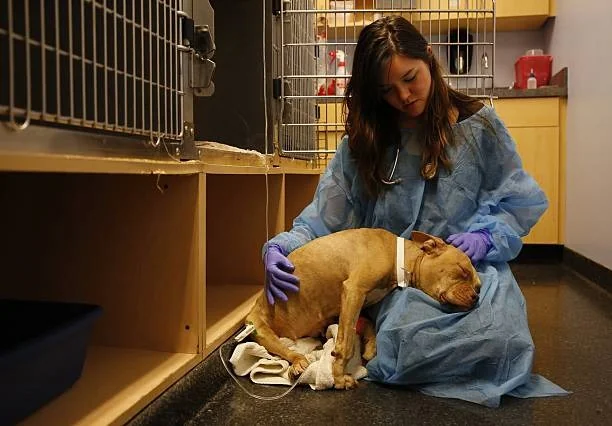

Parvovirus is a highly contagious, often fatal viral disease that primarily strikes puppies and unvaccinated dogs, attacking rapidly-dividing cells in the intestinal tract and bone marrow. Early signs (lethargy, loss of appetite, mild fever) appear 3–7 days after exposure, followed within 24–48 hours by severe, foul-smelling bloody diarrhea. This is always a medical emergency — do not wait to see if symptoms improve. With aggressive hospital treatment, survival rates reach 68–95%, but there is no cure for the virus itself; treatment is entirely supportive. Vaccination starting at 6–8 weeks remains the single most effective prevention.
- What Is Canine Parvovirus?
- Early Warning Signs of Parvo
- How Parvovirus Spreads
- Diagnosing Parvovirus in Dogs
- Stages of Parvovirus Infection
- Treatment Options for Parvovirus
- Treatment Costs and Financial Considerations
- Recovery Timeline and Aftercare
- Preventing Parvovirus Through Vaccination
- High Risk Breeds and Populations
- Frequently Asked Questions
Key Takeaways
- Parvovirus is a highly contagious viral disease that primarily affects puppies and unvaccinated dogs
- Early symptoms include lethargy, loss of appetite, vomiting, and severe bloody diarrhea
- Immediate veterinary care is critical. Survival rates reach 68 to 95 percent with prompt treatment
- Vaccination starting at six to eight weeks is the most effective prevention strategy
- The virus can survive in the environment for months and spreads through contaminated surfaces
Canine parvovirus, commonly called parvo, is one of the most serious and contagious viral illnesses affecting dogs today. This aggressive pathogen targets rapidly dividing cells in the intestinal tract and bone marrow, causing severe gastrointestinal distress and potentially fatal complications. Understanding parvovirus symptoms, transmission routes, and prevention strategies is essential for every dog owner, especially those with puppies or unvaccinated dogs.
This complete guide provides educational information to help you recognize warning signs, understand treatment options, and take proactive steps to protect your dog. Always consult a licensed veterinarian for diagnosis and treatment of suspected parvovirus cases.
What Is Canine Parvovirus?
Canine parvovirus type 2 (CPV-2) is a highly resilient DNA virus first identified in 1978. It attacks cells that divide rapidly, particularly those lining the small intestine and bone marrow. In very young puppies, the virus can also damage heart muscle cells, leading to cardiac complications.
The virus spreads through the fecal oral route. Dogs become infected by direct contact with an infected dog or indirect contact with contaminated feces, soil, food bowls, bedding, shoes, or clothing. Parvovirus is remarkably hardy. It can survive in the environment for months to years and resists many common disinfectants, though diluted bleach solutions effectively eliminate it.
Early Warning Signs of Parvo
Symptoms typically appear three to seven days after exposure, though incubation can extend up to fourteen days. Recognizing early signs improves the chances of successful treatment.
Initial symptoms include:
- Sudden lethargy or weakness
- Loss of appetite or refusal to eat
- Mild to moderate fever (103 to 105 degrees Fahrenheit)
- Vomiting, often persistent
As the disease progresses within 24 to 48 hours:
- Severe bloody diarrhea with a distinctive foul odor
- Rapid dehydration due to fluid loss
- Abdominal pain or bloating
- Depression or withdrawal
- Weight loss
Puppies may show additional signs including collapse, rapid heart rate, difficulty breathing, low body temperature, or low blood sugar. These symptoms require immediate emergency care.
Emergency Warning: Parvovirus is a life threatening medical emergency. Contact a veterinarian immediately if your puppy shows vomiting, diarrhea (especially bloody), lethargy, or refusal to eat. Do not wait to see if symptoms improve. Early intervention significantly improves survival rates.
How Parvovirus Spreads
Understanding transmission helps prevent exposure. Parvovirus spreads through:
- Direct contact: Sniffing, licking, or interacting with an infected dog
- Contaminated feces: Even tiny amounts of infected stool can transmit the virus
- Environmental surfaces: The virus survives on soil, grass, kennels, floors, and outdoor areas for months
- Objects and equipment: Food bowls, toys, leashes, crates, and grooming tools can carry the virus
- Human transmission: People can carry the virus on hands, clothing, or shoes after contact with infected dogs or environments
Dogs begin shedding the virus four to five days after exposure, often before showing symptoms. They remain contagious during illness and for up to fourteen days after recovery. This makes early isolation critical in multi dog households or facilities.
Diagnosing Parvovirus in Dogs
Veterinarians use several methods to diagnose parvovirus:
Rapid ELISA test: This fecal antigen test detects parvovirus proteins and provides results in about ten minutes. While generally accurate, false negatives can occur if the dog is not shedding virus at the time of testing.
Complete blood count: Parvovirus attacks bone marrow, causing a sharp drop in white blood cells. A low white blood cell count supports a parvovirus diagnosis in symptomatic dogs.
PCR testing: Polymerase chain reaction tests detect viral DNA with high sensitivity. These tests require laboratory processing and may take longer but offer greater accuracy.
Veterinarians often combine test results with clinical signs, history of exposure, and physical examination findings to confirm diagnosis.
Stages of Parvovirus Infection
Parvovirus progresses through distinct phases:
1. Exposure and incubation: The dog encounters the virus but shows no symptoms. This phase lasts three to seven days on average.
2. Early illness: Initial symptoms like lethargy, fever, and vomiting appear as the virus begins attacking intestinal cells.
3. Acute phase: Severe vomiting, bloody diarrhea, and dehydration develop. The damaged intestinal lining allows bacteria to enter the bloodstream, risking sepsis.
4. Recovery or complications: With treatment, dogs begin improving within three to five days. Without intervention, organ failure, septic shock, or death can occur within 48 to 72 hours of symptom onset.
Treatment Options for Parvovirus
There is no medication that directly kills parvovirus. Treatment focuses on supportive care to help the dog's immune system fight the infection while managing symptoms.
Standard treatment protocols include:
- Hospitalization: Most cases require three to seven days of inpatient care for monitoring and intensive support
- Intravenous fluids: Combat dehydration and correct electrolyte imbalances caused by vomiting and diarrhea
- Antibiotics: Prevent or treat secondary bacterial infections that exploit the damaged intestinal lining
- Anti-nausea medications: Reduce vomiting to help maintain hydration and allow oral intake
- Nutritional support: Some dogs require feeding tubes to receive essential nutrients when they cannot eat
- Blood transfusions: In severe cases with low red blood cell counts or clotting issues
Newer treatment option: Canine Parvovirus Monoclonal Antibody (CPMA) is a targeted therapy that blocks the virus from entering intestinal cells. Administered as a single intravenous dose, CPMA may reduce symptom severity and improve outcomes when used early in mild to moderate cases.
Treatment Costs and Financial Considerations
Parvovirus treatment can be expensive due to the intensive care required. Costs vary based on location, severity, and length of hospitalization.
- Outpatient management: Several hundred dollars
- Standard hospitalization: $1,500 to $3,000
- Severe cases with complications: $3,000 to $7,000 or more
Many veterinary clinics offer payment plans or work with third party financing options. Pet insurance that covers infectious diseases may help offset costs if purchased before illness occurs. Prevention through vaccination remains far more cost effective than treatment.
Recovery Timeline and Aftercare
With appropriate treatment, most puppies show improvement within three to five days. Full recovery typically takes seven to ten days, though individual timelines vary based on age, overall health, and disease severity.
During recovery:
- Feed small, frequent meals of a bland, easily digestible diet as recommended by your veterinarian
- Ensure access to fresh water at all times
- Limit activity and provide a quiet, comfortable recovery space
- Monitor for returning appetite, energy, and normal stool consistency
- Keep the recovering dog isolated from unvaccinated dogs for at least two weeks after symptoms resolve
Dogs that survive parvovirus usually develop strong immunity and rarely contract the virus again. However, the infection can leave some dogs more susceptible to gastrointestinal issues later in life.
Preventing Parvovirus Through Vaccination
Vaccination is the single most effective way to prevent parvovirus. The parvo vaccine is part of the core DHPP or DAPP combination vaccine given to puppies and adult dogs.
Puppy vaccination schedule:
- First dose: Six to eight weeks of age
- Boosters: Every three to four weeks until sixteen weeks of age
- First adult booster: At one year of age
- Adult boosters: Every three years thereafter, or as recommended by your veterinarian
Additional prevention strategies:
- Avoid exposing unvaccinated puppies to public areas like dog parks, pet stores, or sidewalks
- Do not allow puppies to interact with dogs of unknown vaccination status
- Disinfect contaminated areas with a bleach solution (one part bleach to thirty parts water)
- Wash hands, change clothing, and clean shoes after contact with unfamiliar dogs or high risk environments
- Ensure breeding dogs are up to date on vaccinations to provide maternal antibodies to puppies
High Risk Breeds and Populations
While any unvaccinated dog can contract parvovirus, certain breeds appear more susceptible. Research suggests Rottweilers, Doberman Pinschers, American Staffordshire Terriers, German Shepherd Dogs, English Springer Spaniels, and Labrador Retrievers may have genetic factors affecting immune response to the virus.
Puppies between six weeks and six months old face the highest risk due to waning maternal antibodies and developing immune systems. Dogs in shelters, kennels, breeding facilities, or areas with high dog populations also encounter greater exposure risk.