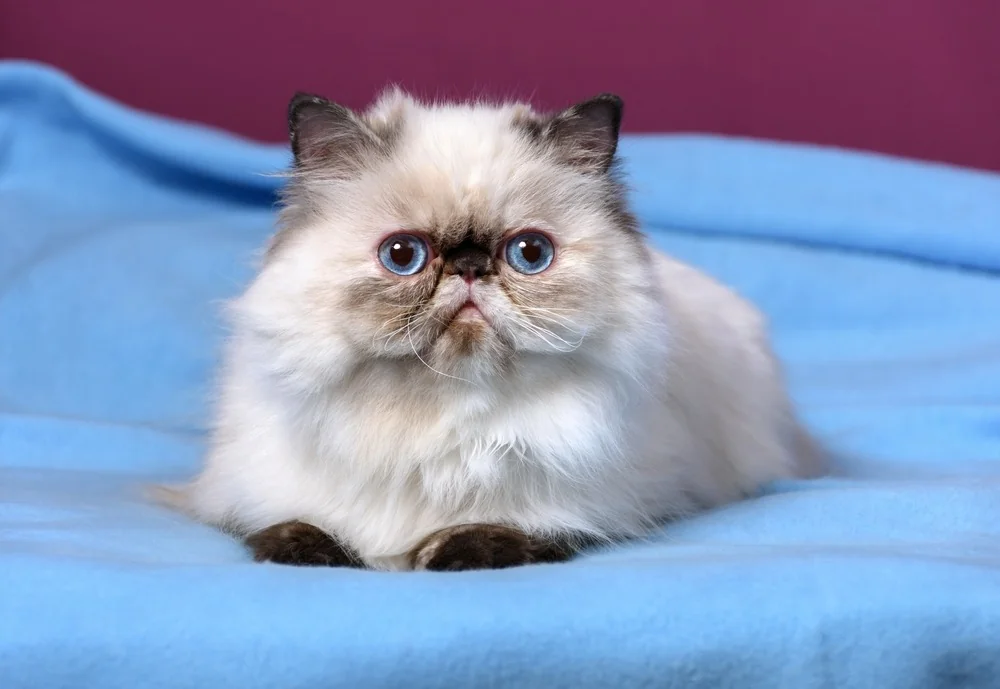

Siamese cats are renowned for their striking blue eyes, color pointed coats, and highly social personalities. One of the oldest and most recognizable cat breeds, they form deep bonds with their humans and communicate expressively. This guide outlines essential care information to help you provide a fulfilling life for your Siamese.
Temperament and Social Needs
Siamese cats are affectionate, intelligent, and highly interactive. They thrive on companionship and often follow owners from room to room. Their vocal nature includes a wide range of meows, chirps, and conversational sounds. They do best in homes where they receive consistent attention and mental engagement — isolation can trigger stress responses in this breed.
Vocal Communication
Siamese cats are famously talkative. They use vocalizations to express needs, share opinions, and initiate interaction. This trait is endearing to many owners but may challenge those preferring quieter companions. Understanding their communication style strengthens the human cat bond and helps meet their social needs.
Grooming and Coat Care
The Siamese short, fine coat requires minimal grooming. Weekly brushing removes loose hair and distributes natural oils. Their coat stays relatively clean with self grooming. Regular nail trimming, ear cleaning, and dental care should be part of your routine. Many Siamese tolerate handling well when introduced positively.
Health Considerations
Siamese may be predisposed to dental issues, respiratory conditions, and certain genetic disorders like progressive retinal atrophy. Responsible breeding practices with health testing reduce these risks. Maintain dental hygiene through brushing and professional cleanings. Annual veterinary checkups support early detection and management — and watch for appetite changes, which are often the first sign something is wrong.
Enrichment and Training
Siamese cats are highly trainable using positive reinforcement methods. Teach tricks, leash walking, or interactive games to engage their intelligence. Provide puzzle feeders, climbing structures, and window perches for mental stimulation. Their social nature means they often enjoy learning alongside their humans.
Frequently Asked Questions
Why are Siamese cats so vocal?
Siamese cats are naturally communicative and use a wide range of vocalizations to interact with their humans. This trait stems from their breeding history and social nature. Their vocalizations often express needs, opinions, or simply a desire for attention.
Do Siamese cats need a companion?
Siamese cats are highly social and often thrive with a feline companion, especially if left alone during the day. However, they can also bond deeply with human families who provide consistent interaction and engagement.
What health issues are common in Siamese cats?
Siamese may experience dental issues, respiratory conditions, and certain genetic disorders like progressive retinal atrophy. Responsible breeding practices and regular veterinary care help manage these risks. Maintain dental hygiene through brushing and professional cleanings.
Medical disclaimer: This article is for educational purposes only and does not constitute veterinary advice. Always consult a licensed veterinarian for diagnosis and treatment of your pet's health conditions.