Big fluffy breeds combine two real commitments: large-breed health monitoring (hip and elbow dysplasia, bloat risk in deep-chested breeds) and serious coat maintenance, with most needing brushing 2–3 times weekly and heavier shedding during seasonal coat blows. Their imposing size masks famously gentle temperaments — most big fluffy breeds are calm, patient family companions rather than guard dogs. The trade-off is cost: larger dogs mean larger food bills, bigger medication doses, and more expensive grooming if you choose professional care.
Big fluffy dog breeds combine impressive size with cloud-like coats and gentle hearts. These magnificent companions, from the smiling Samoyed to the devoted Newfoundland, offer loyal friendship and striking beauty. If you have the space and commitment for a large breed, discover which fluffy giant might become your perfect match.
Top Big Fluffy Dog Breeds
Samoyed
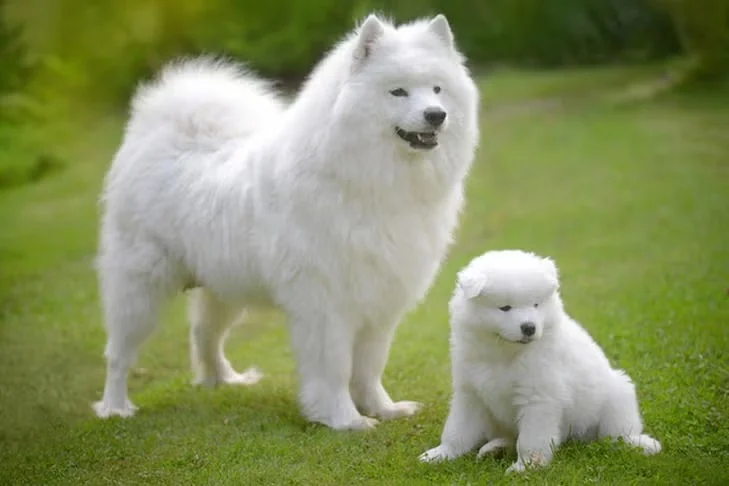
The Samoyed's signature "Sammy smile" and luxurious white double coat make this breed instantly recognizable. Originally bred to herd reindeer in Siberia, these 35-65 pound dogs are friendly, alert, and energetic. Samoyeds thrive with active families who can provide daily exercise and mental stimulation. Their thick coats shed heavily twice yearly and require thorough brushing several times weekly. Known for their vocal nature, Samoyeds may "talk" with charming woos and howls.
Newfoundland
Gentle giants weighing 100-150 pounds, Newfoundlands are renowned for their sweet temperaments and lifesaving instincts. Their thick, water-resistant double coats come in black, brown, gray, or black-and-white. Newfoundlands are patient with children, making them excellent family dogs. They love water and were historically used for water rescues. While relatively low-energy indoors, they need regular exercise and early training due to their substantial size. Drooling and shedding are part of the Newfie experience.
Bernese Mountain Dog
With their striking tri-color coats and calm demeanor, Bernese Mountain Dogs (70-115 pounds) are devoted family companions. Originally Swiss farm dogs, they're intelligent, eager to please, and gentle with children. Berners have moderate exercise needs but benefit from activities like hiking or cart-pulling. Their thick double coats shed year-round with heavy seasonal blows. Unfortunately, Berners have shorter lifespans (6-8 years) due to breed-specific health concerns, making responsible breeding critical.
Great Pyrenees
Bred to guard livestock in the Pyrenees Mountains, Great Pyrenees (85-160 pounds) are independent, protective, and calm. Their weather-resistant white double coats require regular brushing to manage shedding. Great Pyrenees are nocturnal by nature and may bark at night to alert to perceived threats. They're devoted to their families but can be strong-willed, requiring patient, consistent training. Their guardian instincts make them excellent property protectors when properly socialized.
Chow Chow
Distinctive for their lion-like manes and blue-black tongues, Chow Chows (45-70 pounds) are dignified, loyal, and reserved. Originally from China, they're independent thinkers who bond deeply with their families. Chow Chows have moderate exercise needs but require early socialization to prevent aloofness with strangers. Their dense double coats need thorough brushing several times weekly. They're clean dogs with minimal doggy odor but can be prone to overheating in warm climates.
Caring for Big Fluffy Breeds
Space and Exercise
Large fluffy breeds generally need homes with secure yards or easy access to outdoor spaces. Daily walks, play sessions, and mental enrichment prevent boredom and destructive behaviors. Many enjoy dog sports like hiking, carting, or therapy work. Remember that giant breeds mature slowly, avoid excessive exercise in puppies to protect developing joints.
Grooming Commitment
Double-coated breeds shed heavily, especially during seasonal changes. Weekly brushing with undercoat rakes and slicker brushes manages shedding and prevents mats. Bathing every 6-8 weeks keeps coats clean. Professional grooming can help with difficult areas like behind ears and under legs. Regular nail trims, ear cleaning, and dental care complete the grooming routine.
Training and Socialization
Large dogs need obedience training for safety and manageability. Start early with positive reinforcement methods. Socialization exposes puppies to various people, animals, and environments, building confidence. Teach gentle leash manners and reliable recall. Enrolling in puppy classes provides structured learning and socialization opportunities.
Health and Nutrition
Giant breeds have specific health considerations including hip dysplasia, elbow dysplasia, and bloat (GDV), a life-threatening emergency in deep-chested breeds. Feed large-breed puppy formulas to support proper growth. Maintain lean body condition to reduce joint stress. Discuss preventive care like GDV prophylaxis with your veterinarian. Pet insurance can help manage potential health costs for these large companions.
Is a Big Fluffy Dog Right for You?
Consider your lifestyle carefully. Do you have adequate indoor and outdoor space? Can you commit to daily exercise and grooming? Are you prepared for the financial responsibility of feeding and caring for a large dog? Big fluffy breeds reward dedicated owners with unwavering loyalty and affection, but they're not low-maintenance pets.
Research breeders who health-test for breed-specific conditions or explore breed-specific rescues. Meeting adult dogs helps assess temperament and size more accurately than puppy photos. Remember that individual personalities vary, spend time with potential companions to find the right match for your family.