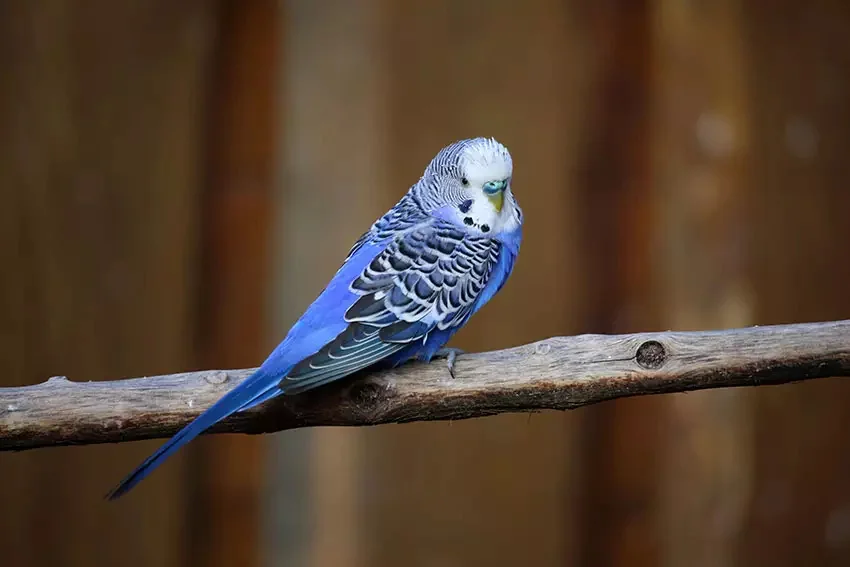
Budgerigars (budgies) are among the most popular companion birds worldwide due to their small size, lively colors, intelligence, and ability to mimic speech. Proper care ensures these birds live healthy, enriched lives for five to ten years. This guide covers essential husbandry practices for budgie owners.
Cage Setup and Environment
A spacious cage forms the foundation of budgie care. Minimum dimensions for one bird are eighteen by eighteen by twenty four inches, but larger is always better. Include horizontal bars for climbing, natural wood perches of varying diameters, and rotate safe toys weekly. Place the cage in a well lit area away from drafts, direct sunlight, and kitchen fumes.
Nutrition and Feeding
Budgies require a balanced diet centered on high quality pellets (seventy percent of intake). Supplement with fresh vegetables like carrots, broccoli, and leafy greens (twenty percent). Offer limited fruits and occasional seed mixes as treats (ten percent). Avoid avocado, chocolate, caffeine, onion, and salty or sugary foods. Provide fresh water daily and clean food dishes regularly.
Social Interaction and Training
Budgies are highly social flock animals that thrive on interaction. Spend time daily talking, playing, and training your bird. Male budgies often learn to mimic words and phrases with consistent, positive reinforcement. Keep training sessions brief (under five minutes) and reward attempts with gentle praise. Consider adopting two budgies if you cannot provide several hours of daily interaction.
Health Monitoring
Birds often mask illness until symptoms become advanced. Monitor for fluffed feathers, lethargy, changes in droppings, reduced vocalization, or sitting at the cage bottom. Schedule annual checkups with an avian veterinarian. Maintain proper humidity levels and avoid sudden temperature changes to support respiratory health.