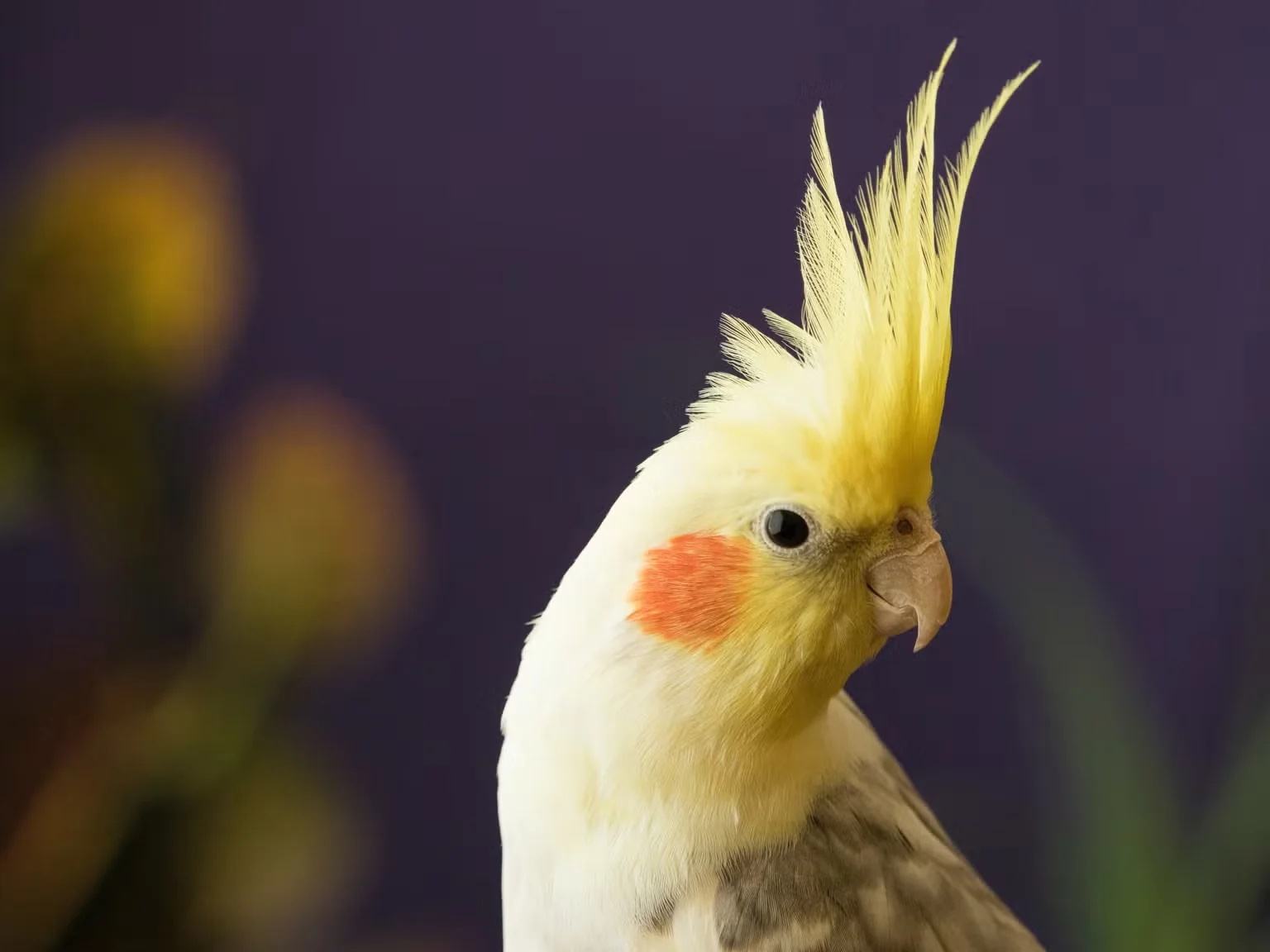
Cockatiels are among the most popular companion birds worldwide. Recognizable by their distinctive crests and cheek patches, they are intelligent, social, and highly interactive. Proper care ensures these birds thrive physically and mentally throughout their fifteen to twenty year lifespan.
Cage Setup and Environment
A spacious cage forms the foundation of cockatiel care. Minimum dimensions of twenty four by twenty four by thirty inches provide adequate room for movement. Include horizontal bars for climbing, natural wood perches of varying diameters, and rotate safe toys weekly to prevent boredom. Place the cage in a well lit area away from drafts, direct sunlight, and kitchen fumes.
Nutrition and Feeding
Cockatiels require a balanced diet centered on high quality pellets. Supplement with fresh vegetables like carrots, broccoli, and leafy greens. Offer limited fruits and occasional seed mixes as treats. Avoid avocado, chocolate, caffeine, onion, and salty or sugary foods. Provide fresh water daily and clean food dishes regularly to prevent bacterial growth.
Behavior and Communication
The cockatiel crest acts as a reliable mood indicator. Upright crests signal alertness or excitement, flattened crests indicate fear or aggression, and relaxed half mast positions show contentment. Whistling, singing, and gentle beak grinding demonstrate comfort. Regular out of cage time and interactive play strengthen the human bird bond and reduce stress.
Health Monitoring
Birds often mask illness until symptoms become advanced. Monitor for fluffed feathers, lethargy, changes in droppings, reduced vocalization, or sitting at the cage bottom. Schedule annual checkups with an avian veterinarian. Maintain proper humidity levels and avoid sudden temperature changes to support respiratory health.