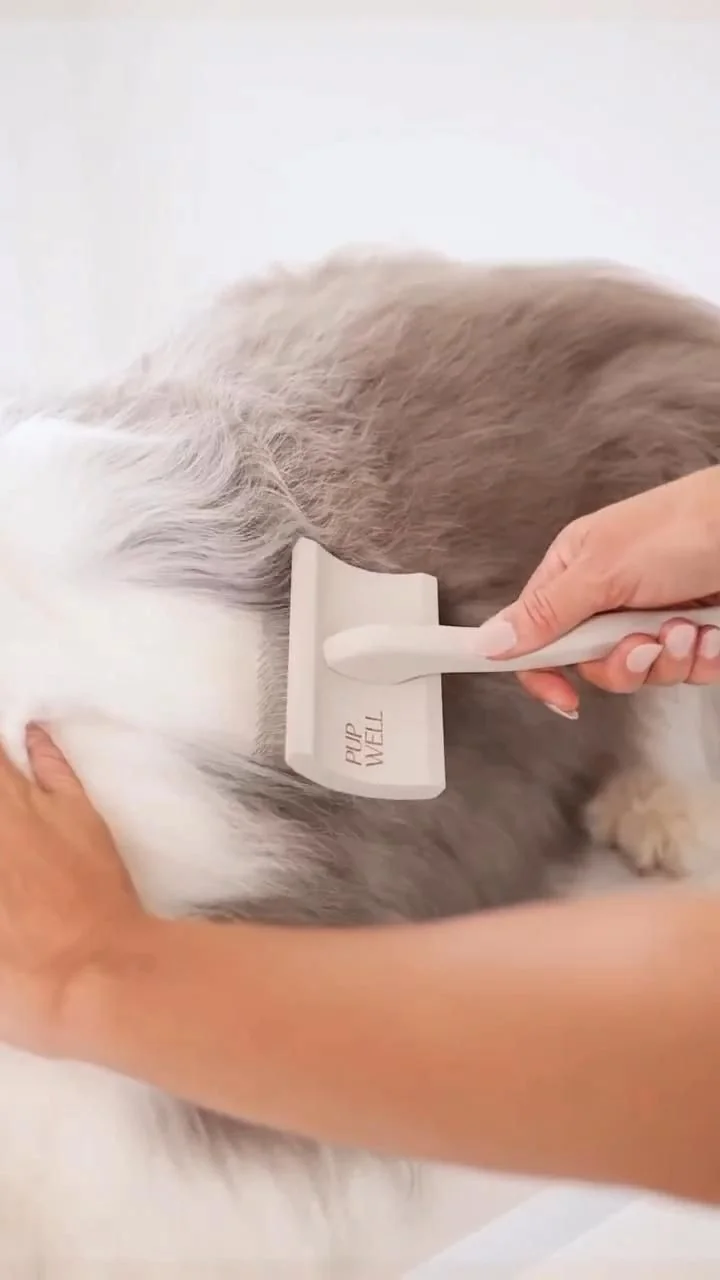

Grooming your dog at home is more than just a way to keep them looking tidy. It is a important part of preventive healthcare that allows you to monitor their skin, coat, ears, and nails for early signs of issues like parasites, infections, or lumps. Regular grooming sessions also strengthen the bond between you and your dog, making them more comfortable with handling during vet visits.
While professional groomers are essential for certain breeds and tasks, mastering the basics of at-home care can save you money and reduce stress for your pet. This guide breaks down everything you need to know about dog grooming, from choosing the right tools to establishing a routine that works for your dog's specific coat type.
Understanding Your Dog's Grooming Needs
Every dog is unique, and their grooming requirements depend largely on their breed, coat type, and lifestyle. A high-energy Labrador who loves swimming will have different needs than a sedentary Maltese with long, silky hair. Understanding these differences is the first step to effective grooming.
Grooming Frequency by Coat Type
Knowing how often to groom your dog prevents common issues like matting, excessive shedding, and skin irritation. Use this table as a general guide, but adjust based on your dog's individual needs.
| Coat Type | Example Breeds | Brushing Frequency | Bathing Frequency | Professional Grooming |
|---|---|---|---|---|
| Short, smooth | Beagle, Boxer, Labrador | Weekly | Every 4 to 6 weeks | Rarely needed |
| Short, dense double coat | Husky, Shiba Inu | 2 to 3 times per week; daily during shedding season | Every 6 to 8 weeks | Occasionally for deshedding |
| Medium double coat | Golden Retriever, German Shepherd | 3 to 4 times per week | Every 4 to 6 weeks | Every 8 to 12 weeks |
| Long, silky | Afghan Hound, Maltese, Yorkshire Terrier | Daily | Every 2 to 3 weeks | Every 6 to 8 weeks |
| Curly or wavy | Poodle, Goldendoodle, Bichon Frise | Daily to prevent matting | Every 3 to 4 weeks | Every 6 to 8 weeks for clipping |
| Wire or rough coat | Schnauzer, Jack Russell, Border Terrier | 2 to 3 times per week | Every 4 to 6 weeks | Every 8 to 12 weeks for hand-stripping or clipping |
Essential Dog Grooming Tools
Having the right tools makes grooming easier and more effective. Investing in quality equipment ensures you can handle your dog's coat properly without causing discomfort or damage.
Slicker Brush
Ideal for removing tangles and loose hair from most coat types. Use gentle strokes to avoid scratching the skin.
Undercoat Rake
Essential for double-coated breeds to remove loose undercoat and reduce shedding, especially during seasonal blows.
Nail Clippers
Choose guillotine or scissor-style clippers sized for your dog. Sharp blades ensure clean cuts and prevent crushing.
Dog Shampoo
Use a pH-balanced shampoo formulated for dogs. Medicated shampoos are available for specific skin conditions.
Ear Cleaner
A vet-approved ear cleaning solution helps remove wax and debris. Avoid using water or alcohol-based products.
Dental Care Kit
Includes a dog-specific toothbrush and enzymatic toothpaste to prevent plaque buildup and gum disease.
Step-by-Step Dog Grooming Guide
1. Brushing: The Foundation of Coat Care
Brushing is the most important part of regular grooming. It removes dirt, dead hair, and prevents mats from forming. It also distributes natural oils, keeping the coat shiny and skin healthy.
- Start gently: If your dog is new to brushing, start with short sessions and plenty of praise.
- Work in sections: For long-haired dogs, part the hair and brush layer by layer to ensure you reach the skin.
- Check for mats: Pay attention to areas prone to tangling, such as behind the ears, under the legs, and around the collar.
- Use the right tool: A slicker brush is great for most coats, while an undercoat rake is necessary for double-coated breeds.
Associate brushing with positive experiences by offering treats and verbal praise. Start with short sessions and gradually increase the duration as your dog becomes more comfortable. This builds trust and makes future grooming easier.
2. Bathing: Keeping Your Dog Clean and Fresh
Bathing removes dirt, allergens, and odors, but it is important not to overdo it. Frequent bathing can strip natural oils from the skin, leading to dryness and irritation.
- Brush before bathing: Always brush your dog thoroughly before getting them wet. Water tightens mats, making them harder to remove later.
- Use lukewarm water: Ensure the water temperature is comfortable, similar to what you would use for a baby.
- Apply shampoo correctly: Dilute the shampoo if recommended, and massage it into the coat, avoiding the eyes and ears.
- Rinse thoroughly: Rinse until the water runs clear to prevent any residue from causing skin irritation.
- Dry completely: Towel dry your dog and use a blow dryer on a cool setting if they tolerate it. Ensure they are fully dry, especially in skin folds, to prevent infections.
3. Nail Trimming: Safety and Precision
Overgrown nails can cause pain and affect your dog's posture. Regular trimming keeps their paws healthy and prevents clicking sounds on hard floors.
- Identify the quick: In light-colored nails, the quick is the pink inner part. Avoid cutting into it as it contains blood vessels and nerves.
- Trim small amounts: For dark nails, cut small slices at a time. Look for a black dot or greyish center in the cross-section, which signals you are nearing the quick.
- Use sharp clippers: Dull clippers can crush the nail, causing pain. Replace blades regularly.
- Have styptic powder ready: If you accidentally cut the quick, apply styptic powder or cornstarch to stop the bleeding.
Accident Management If you cut the quick, remain calm. Apply styptic powder with gentle pressure for 30 seconds. Comfort your dog with treats and praise to prevent fear of future nail trims.
4. Ear Cleaning: Preventing Infections
Dogs with floppy ears or hairy ear canals are prone to ear infections. Regular checks and cleaning can prevent issues before they start.
- Inspect weekly: Look for redness, swelling, discharge, or bad odor.
- Clean gently: Use a vet-approved ear cleaner on a cotton ball or gauze. Wipe the visible part of the ear canal.
- Avoid deep insertion: Never insert cotton swabs deep into the ear canal, as this can push debris further in or damage the eardrum.
5. Dental Care: More Than Just Fresh Breath
Dental health is essential for overall well-being. Plaque buildup can lead to gum disease and affect other organs like the heart and kidneys.
- Brush daily: Use a dog-specific toothbrush and enzymatic toothpaste. Human toothpaste is toxic to dogs.
- Focus on outer surfaces: Concentrate on the outside of the teeth where plaque accumulates most.
- Provide dental chews: Supplement brushing with veterinary-approved dental chews to help reduce tartar.
Common Dog Grooming Mistakes to Avoid
Even well-meaning owners can make mistakes that harm their pet. Being aware of these common pitfalls ensures a safer and more effective grooming routine.
- Using human shampoo: Human skin has a different pH balance. Using human products can disrupt your dog's skin barrier, leading to irritation and infections .
- Ignoring mats: Small tangles can quickly turn into painful mats. Address them immediately rather than waiting for professional grooming .
- Shaving double-coated dogs: Shaving breeds like Huskies or Golden Retrievers can damage their coat's insulating properties and lead to uneven regrowth. Consult a professional before considering this .
- Neglecting dental care: Many owners overlook teeth brushing, but it is essential for preventing systemic health issues .
When to Seek Professional Help
While many grooming tasks can be done at home, some situations require a professional groomer or veterinarian.
- Severe matting: If your dog has extensive mats close to the skin, a professional groomer can safely remove them without injuring the dog.
- Breed-specific cuts: Breeds like Poodles and Schnauzers require specific clipping styles that are best left to experienced groomers.
- Behavioral issues: If your dog shows extreme anxiety or aggression during grooming, a professional can provide behavior modification techniques or sedation if necessary.
- Skin conditions: If you notice persistent redness, sores, or hair loss, consult your veterinarian for diagnosis and treatment.
Frequently Asked Questions
How often should you bathe a dog?
Most dogs benefit from a bath every four to six weeks. However, frequency depends on coat type and activity level. Dogs with oily coats like Basset Hounds may need weekly baths, while double-coated breeds like Huskies may only need bathing every few months. Overbathing can strip natural oils, leading to dry skin.
How do you trim dog nails safely without cutting the quick?
Use sharp, dog-specific nail clippers and trim small amounts frequently. For light nails, avoid the pink quick visible inside. For dark nails, trim tiny slices until you see a black dot or greyish center in the cross-section, which indicates you are near the quick. Keep styptic powder handy for accidents.
What is the best brush for a shedding dog?
For heavy shedders, especially double-coated breeds, an undercoat rake or deshedding tool is most effective. Follow up with a slicker brush to remove loose topcoat hair and a metal comb to check for remaining tangles. Regular brushing reduces shedding around the home significantly.
Can I use human shampoo on my dog?
No, you should never use human shampoo on dogs. Human skin has a different pH balance than dog skin. Using human products can disrupt your dog's acid mantle, leading to dryness, irritation, and increased susceptibility to parasites and infections. Always use a vet-approved dog shampoo.
Medical disclaimer: This article is for educational purposes only and does not constitute veterinary advice. Always consult a licensed veterinarian for diagnosis and treatment of your pet's health conditions.