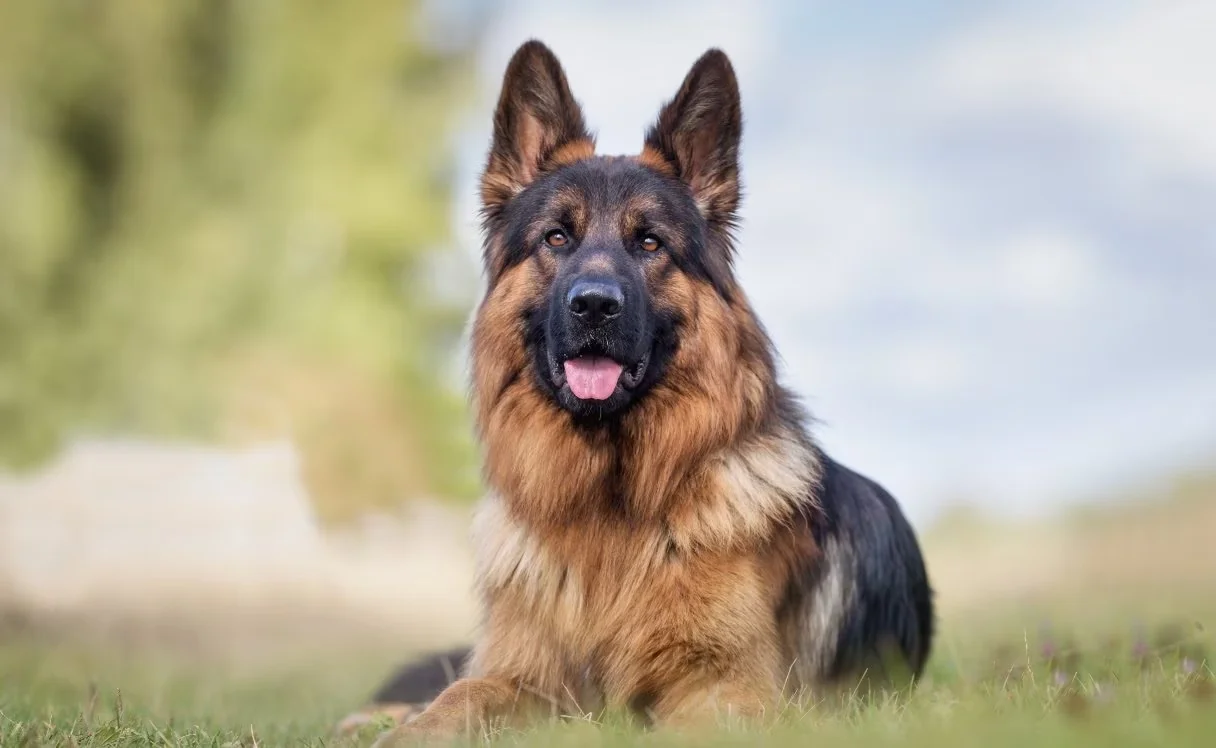

The German Shepherd Dog (GSD) remains one of the most versatile and popular breeds globally, celebrated for its intelligence, loyalty, and work ethic. However, owning a German Shepherd is not a passive experience. This is a breed developed for high-intensity work, requiring meaningful mental stimulation, structured leadership, and proactive health management.
In 2026, prospective owners face a complex area of breeding lines, from high-drive Czech working dogs to family-oriented West German show lines. Understanding these distinctions is critical. A mismatch between a dog's genetic drive and an owner's lifestyle is the primary cause of behavioral issues in the breed. This guide provides a deep dive into the genetics, health protocols, and training frameworks necessary for successful GSD ownership.
German Shepherd at a Glance
Quick Facts
Bloodlines Matter: Choosing the Right German Shepherd
Not all German Shepherds are created equal. The breed has diverged into distinct lines over the last century, each with specific temperaments, physical structures, and health profiles. Identifying the right line for your lifestyle is the single most important decision you will make.
West German Show Line
Bred under strict SV (German Shepherd Dog Club of Germany) regulations, these dogs must pass working titles and health tests to be bred. They offer a balance of beauty, stable temperament, and moderate drive. They are typically the best choice for active families who want a loyal companion without the intensity of a full working dog.
West German Working Line
These dogs prioritize performance over appearance. They have straighter backs than show lines, incredible endurance, and high prey drive. They excel in IPO/IGP sports, search and rescue, and police work. They require an experienced handler who can provide a "job" daily.
DDR (East German) and Czech Lines
Developed behind the Iron Curtain for border patrol and military work, these lines are characterized by dark pigmentation, large heads, and extremely high nerve strength. They are serious dogs with powerful defensive drives. They are generally not recommended for first-time owners or households with frequent visitors unless extensively socialized.
American Show Line
American lines often feature a more angulated rear stance and a sloping topline. While many are excellent family pets with softer temperaments, the extreme angulation in some lines has been linked to higher rates of hip and elbow dysplasia. Buyers should prioritize breeders who perform OFA or PennHIP health testing.
Regardless of the line, always ask for proof of hip and elbow scoring (OFA, SV, or BVA) and Degenerative Myelopathy (DM) DNA testing for both parents. Reputable breeders will provide these documents willingly.
Temperament and Personality
The German Shepherd is a "velcro dog," forming intense bonds with their primary handler. They are naturally aloof with strangers, which makes them excellent watchdogs but requires careful management to prevent fear-based reactivity. They are not naturally aggressive, but their protective instinct is hardwired.
Socialization: The Critical Window
The socialization window closes between 14 and 16 weeks. During this period, your puppy must be exposed to various surfaces, sounds, people, and other animals in a positive manner. A lack of early socialization is the leading cause of anxiety and aggression in adult German Shepherds.
German Shepherds with Children and Pets
When raised with children, German Shepherds are typically patient and protective. However, their herding instinct may lead to nipping or chasing smaller pets. Early introduction and supervision are essential. They thrive in homes where they are included in family activities rather than isolated in yards.
Puppy Development Stages
Understanding your GSD's developmental stages helps set realistic training expectations.
- 8–12 Weeks: Rapid bonding phase. Focus on name recognition, house training, and gentle handling.
- 3–6 Months: Exploration and teething. Provide appropriate chew toys and begin basic obedience commands like sit, stay, and recall.
- 6–12 Months: Adolescence and testing boundaries. Consistency is key. Avoid high-impact exercises like jumping to protect developing joints.
- 12–24 Months: Physical and mental maturity. Transition to adult food and increase exercise intensity.
Exercise and Mental Stimulation Requirements
A German Shepherd needs more than just a walk around the block. They require vigorous physical activity and, more importantly, mental challenges. Without an outlet for their energy, they may develop destructive behaviors such as excessive barking, digging, or chewing.
Ideal activities include:
- Scent Work: Hiding treats or toys encourages natural tracking instincts.
- Obedience Training: Short, daily sessions reinforce your leadership.
- Agility or Hiking: Provides physical exertion and environmental enrichment.
Training a German Shepherd
German Shepherds are among the most trainable breeds, ranking third in Stanley Coren's intelligence scale. They respond best to positive reinforcement combined with clear, consistent boundaries. Harsh punishment can damage their trust and lead to defensive behaviors.
Essential Commands
Start with the basics: sit, down, stay, come, and heel. The "leave it" command is important for safety, preventing your dog from picking up harmful items outdoors. Recall training should be practiced daily in low-distraction environments before moving to public spaces.
Common Health Problems in German Shepherds
While sturdy, the breed is predisposed to several genetic conditions. Proactive care can mitigate many of these risks.
Hip and Elbow Dysplasia
A malformation of the joint socket causing arthritis and pain. Prevention includes maintaining a lean weight, avoiding slippery floors for puppies, and buying from health-tested parents.
Degenerative Myelopathy (DM)
A progressive spinal cord disease similar to ALS in humans. A DNA test is available to identify carriers. Responsible breeders avoid mating two carriers.
Bloat (GDV)
A life-threatening condition where the stomach twists. Risk is reduced by feeding multiple small meals, using slow-feeder bowls, and avoiding exercise immediately after eating.
Exocrine Pancreatic Insufficiency (EPI)
The pancreas fails to produce digestive enzymes, leading to weight loss despite a huge appetite. It is manageable with lifelong enzyme supplementation.
Cauda Equina Syndrome
Narrowing of the lower spinal canal causing pain and weakness in the hind legs. More common in dogs with steeply sloped backs.
Allergies and Skin Issues
GSDs are prone to environmental and food allergies, leading to hot spots and ear infections. Regular grooming and a high-quality diet help manage skin health.
Nutrition and Feeding Guidelines
Feed a high-quality large-breed formula that supports joint health. Look for foods with named meat sources as the primary ingredient and balanced calcium-to-phosphorus ratios for puppy growth. Avoid generic fillers like corn and wheat if your dog shows signs of sensitivity.
Feeding Schedule: Puppies should eat three to four times a day. Adults should be fed twice daily to reduce the risk of bloat. Always provide fresh water and avoid vigorous exercise for at least one hour after meals.
Grooming and Shedding Management
German Shepherds have a dense double coat that sheds year-round, with heavy "blowing" of the coat twice a year in spring and fall. Regular brushing with an undercoat rake or deshedding tool is essential to prevent matting and reduce household fur. Bathe only when necessary to preserve natural skin oils.
Cost of Ownership
Owning a German Shepherd is a financial commitment. Beyond the initial purchase or adoption fee, expect annual costs for high-quality food, routine veterinary care, preventative medications, and grooming supplies to range from $1,500 to $2,500. Training classes and potential health issues can increase this amount significantly.
Is a German Shepherd Right for You?
This breed is ideal for active individuals or families who can provide consistent training, ample exercise, and companionship. They are not suitable for sedentary lifestyles or owners who are away from home for long periods. If you are prepared for the commitment, a German Shepherd offers unmatched loyalty and partnership.
Frequently Asked Questions
Are German Shepherds good family dogs?
Yes, particularly West German Show Lines and Berger Blanc Suisse lines, which are bred for stable temperaments. They are loyal and protective but require early socialization to ensure they are comfortable with children and strangers.
What is the difference between working line and show line German Shepherds?
Working lines (DDR, Czech, West German Working) have higher drive, straighter backs, and require intense physical and mental jobs. Show lines (American, West German Show) generally have calmer temperaments, with American lines often featuring a sloped topline that requires careful joint monitoring.
How do I prevent hip dysplasia in my German Shepherd?
Prevention starts with buying from parents with OFA or SV hip certifications. Maintain a lean body weight, avoid high-impact exercise like jumping during puppyhood (under 12 months), and use joint supplements containing glucosamine and chondroitin as recommended by your vet.
How much does it cost to own a German Shepherd annually?
Expect to spend between $1,500 and $2,500 annually on high-quality food, routine veterinary care, grooming tools, and training. Initial setup costs including purchase price, crate, and initial vet visits can exceed $3,000.
Medical disclaimer: This article is for educational purposes only and does not constitute veterinary advice. Always consult a licensed veterinarian for diagnosis and treatment of your pet's health conditions.