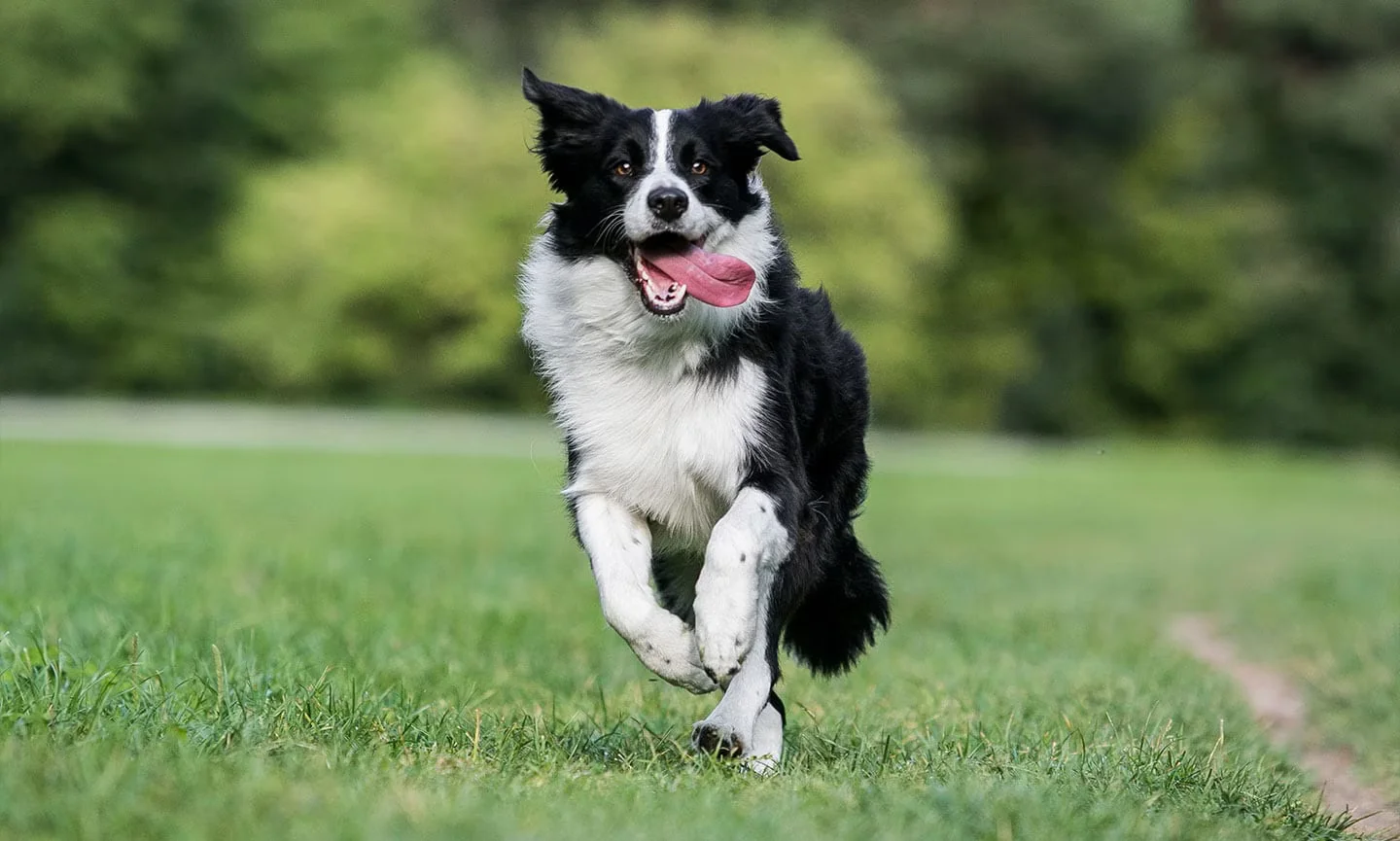

Any dog with basic obedience and a healthy body can do agility — it is not just for Border Collies. The prerequisites are reliable sit, stay, come, and loose-lead walking before any obstacle training begins, and waiting until growth plates close (12–18 months depending on breed size) before jumping. Agility combines physical exercise, problem-solving, and teamwork in a way few activities match, making it one of the best outlets for high-energy dogs and dogs that need a genuine mental challenge. Starting with a beginner class is always recommended over teaching alone at home.
Before You Start
- Agility is a sport where a dog manages an obstacle course directed by their handler. Courses include jumps, tunnels, weave poles, an A-frame, dog walk, and seesaw
- Any physically healthy dog can enjoy agility. Competitive success favours certain breeds but recreational participation is open to all
- Foundation skills including sit, stay, come, and loose-lead walking should be reliable before obstacle training begins
- Dogs should not jump or use contact equipment until their growth plates close, typically 12 to 18 months depending on breed size. Puppies must also complete their vaccination schedule before attending group classes or mixing with unfamiliar dogs.
- Joining a local agility class is the most effective way to start. Sessions of 10 to 15 minutes keep learning sharp and dogs motivated
- Agility is one of the most effective activities for high-energy dogs and dogs with working drive that need meaningful physical and mental outlets
In This Guide
- What Dog Agility Is
- Benefits of Agility Training
- What Your Dog Needs Before Starting
- Foundation Skills to Build First
- Agility Equipment Explained
- How to Get Started
- Starting at Home on a Budget
- Best Breeds for Agility
- Competitions and Organisations
- Safety and Injury Prevention
- Frequently Asked Questions
Dog agility started in 1977 as a half-time entertainment act at Crufts dog show in the UK. The crowd loved it, and within a decade it had grown into a fully organised competitive sport with its own governing bodies, standardised equipment, and dedicated practitioners worldwide. Today it is one of the fastest-growing dog sports in the United States, attracting everyone from competitive handlers who travel to trials every weekend to families who simply want a more engaging way to exercise their dog after work.
What makes agility distinct from most dog activities is the genuine partnership it requires. The handler cannot touch the dog or the equipment during a run. Direction comes entirely from body position, movement, and verbal cues. A dog that is only moderately athletic but deeply tuned into their handler will consistently outperform an athletic dog with a distracted one. That teamwork dimension is what draws most people to the sport and keeps them there.
What Dog Agility Is
In competition, an agility course contains between 14 and 20 obstacles arranged in a numbered sequence that only the judge knows until the walkthrough immediately before the class runs. Handlers study the course during the walkthrough and plan their handling strategy. When the run begins, the dog and handler move through the sequence as quickly and accurately as possible. Faults are assessed for knocked bars, missed contact zones, refusals, and course errors. The fastest clean run, meaning one with no faults, wins.
At the recreational level, none of the competitive elements are required. Many owners simply train agility as a form of enrichment, exercise, and bonding without ever entering a trial. The obstacle work and the training process itself provide all the benefits regardless of whether competition is the goal.
Benefits of Agility Training
Agility is one of the most complete activities available for dogs because it addresses physical fitness, mental stimulation, and the dog-handler relationship simultaneously. A session of agility work can tire a high-drive dog more effectively than an equivalent amount of simple running, because the cognitive demands of reading handler cues, sequencing obstacles, and adjusting speed and direction add a layer of mental fatigue that pure physical exercise does not provide.
- Physical fitness: Builds cardiovascular endurance, muscular strength, flexibility, and body awareness in ways that walking alone cannot match
- Mental stimulation: Dogs must focus, respond to handler cues, and make split-second decisions throughout every run
- Handler-dog bond: Because the dog must watch and respond to the handler constantly, agility training rapidly deepens the communication between them
- Confidence building: Dogs that are initially nervous about novel environments, surfaces, and equipment typically become more confident as their agility exposure builds
- Behaviour improvement: Dogs that get regular agility work are often significantly calmer and better behaved at home, as their physical and mental energy is constructively directed
What Your Dog Needs Before Starting
Agility does not have strict prerequisites for recreational participation, but the training process is far more productive and enjoyable for both dog and handler when a few things are in place first.
Basic obedience. A reliable sit, down, stay, come, and the ability to walk without constant pulling give you the control and communication foundation that agility builds on. A dog that cannot hold a stay position or recall reliably is not ready for the stimulating environment of an agility course. See our dog training basics guide for the essential commands and how to teach them.
Positive association with training. Dogs that find positive reinforcement training engaging and enjoyable take to agility naturally. Dogs that have had only correction-based training are sometimes slower to engage because agility training is built entirely on reward and enthusiasm.
Physical health check. Have your vet confirm the dog is in good physical condition before starting obstacle training. Dogs with undiagnosed orthopaedic issues, cardiac conditions, or weight problems should be cleared before high-impact activity begins. If your dog is overweight, starting a weight management programme first protects their joints through the training process.
Age. As noted earlier, dogs should not jump or use contact equipment before their growth plates close. Foundation work, flatwork, and body awareness exercises are appropriate from puppyhood. Physical obstacle work should wait.
Foundation Skills to Build First
Good agility trainers spend a considerable amount of time before any obstacle is introduced building skills that make everything else easier. These foundation skills are not exciting in the way that watching a dog fly over a jump is exciting, but they are the reason competitive agility dogs run so reliably. Time invested here saves enormous time later.
- 1
Handler focus and attention
The dog must learn to keep their focus on the handler even in the presence of distractions. Begin by rewarding the dog for orienting toward you when their name is called, then build duration and distraction gradually. A dog that is watching you is a dog you can direct.
- 2
Hand targeting
Teaching the dog to touch their nose to an outstretched hand on cue gives the handler a precise directional tool. The dog follows the target hand, which makes handling on course far more intuitive than verbal cues alone.
- 3
Start-line stay
In competition, the dog must hold position at the start line while the handler leads out to a position on course. Building a reliable stay under the excitement of a course environment takes many months of deliberate training.
- 4
Body awareness and proprioception
Dogs that know where their back feet are address contact zones, weave poles, and the seesaw far more safely and confidently. Simple exercises like stepping over rails on the ground, balancing on wobble boards, and moving through ladder rungs build this body awareness.
- 5
Drive and reward responsiveness
Agility training runs at speed. The dog needs to be genuinely excited about the reward on offer, whether that is food, a tug toy, or both. Building high reward value and a dog that plays enthusiastically with you is as important as any obstacle skill.
Agility Equipment Explained
Essential Jumps
The most common obstacle. Single bar jumps are adjustable in height based on the dog's shoulder height. Tire jumps (circle through an opening) and spread jumps are variations. Always start at the lowest height or with the bar on the ground.
Essential Tunnels
Dogs run through an open tube tunnel (typically 10 to 20 feet long) or a collapsed fabric chute tunnel. Tunnels are one of the first obstacles introduced because most dogs enjoy them naturally. Compress the tunnel short so the dog can see the exit on first introduction.
Essential Weave Poles
A row of 6 or 12 upright poles the dog must weave through with the first pole always on their left shoulder. The weave entry and execution is one of the most technically demanding agility skills and takes many months of dedicated training to develop reliably.
Advanced A-Frame
A contact obstacle consisting of two ramps forming an inverted V shape. Dogs must touch the lower painted contact zone on descent. Introducing it in stages, starting nearly flat and raising gradually over many sessions, builds safe foot placement habits.
Advanced Dog Walk
Three planks, two ramped and one horizontal in the middle, forming a bridge. Dogs must touch the contact zones at both ends. The plank work at height requires considerable confidence and body awareness built over many training sessions.
Advanced Seesaw (Teeter)
The most physically and psychologically demanding contact obstacle. The board tips as the dog moves over the midpoint. The motion surprises dogs on first encounter. Introduced progressively from flat board to slight incline to full height over many weeks.
Essential Pause Table
A flat platform on which the dog must stop and hold a sit or down position for five seconds. Judged in competition. Useful training tool for self-control and position-holding in a high-drive context.
Advanced Tire Jump
Dogs jump through a suspended ring or frame. Requires confidence with confined targets. Height is adjusted based on the dog's shoulder height, same as bar jumps.
How to Get Started
The most straightforward path into agility is finding a local agility club or training facility and signing up for a beginner class. Classes offer structured progression, access to proper equipment without the cost of ownership, a knowledgeable instructor who can see what you and your dog are doing and give real-time feedback, and a social environment that dogs and handlers typically find motivating.
When choosing a class, look for instructors who use positive reinforcement methods throughout. Agility training that includes corrections, raised voices, or punishment undermines the enthusiasm and confidence that the sport depends on. A good beginner class will spend the first several sessions on foundation skills and handler mechanics before any obstacle work begins. This can feel slow but is the approach that produces the most reliable results over the course of a training season.
Session Length Matters More Than You Think Keep agility training sessions to 10 to 15 minutes maximum, especially with puppies and dogs new to the sport. Agility is mentally and physically demanding, and performance deteriorates quickly with fatigue. Many experienced handlers do multiple 5-minute sessions across a day rather than one long one. End every session while the dog is still engaged, enthusiastic, and succeeding. A session that ends on a positive repetition sets up the next one well.
Starting at Home on a Budget
You do not need a full equipment set to begin practising agility concepts at home. Many of the most valuable foundation skills require nothing beyond what you already have, and simple homemade equipment can introduce your dog to the basic concepts before you invest in purchased gear.
Jumps: A broom handle balanced across two stacked books or small boxes makes a serviceable introduction to jump work. Start with the bar on the ground and reward the dog for stepping over it before raising it at all. Many dogs learn to jump from this alone.
Tunnels: A children's play tunnel from a toy store or a cardboard box with both ends open works for the earliest tunnel introduction. Compress it short so the dog can see you at the exit. Lure with a treat through the first several repetitions.
Weave poles: Garden stakes or tent pegs pushed into the ground at 24-inch spacing can introduce the weave pole concept. Guides such as a channel of poles with a clear path through them help in the early stages.
Pause table: Any sturdy, non-slip surface at roughly knee height works as a pause table for foundation work. A non-slip mat on a low bench is sufficient for teaching the dog to target the surface and hold a position.
Best Breeds for Agility
Border Collie
Dominates competitive agility worldwide. Unmatched combination of intelligence, athleticism, and handler focus.
Australian Shepherd
High drive, very trainable, natural agility ability. Regularly competitive at the highest levels.
Shetland Sheepdog
Excellent in the small dog agility class. Fast, responsive, and very keen to work with their handler.
Papillon
Remarkably fast and driven despite tiny size. Consistently among the most competitive toy breed dogs in agility trials.
Jack Russell Terrier
Explosive speed and enormous enthusiasm. Can be independent, making training more demanding, but competitive results are excellent.
Belgian Malinois
Elite athleticism and handler focus. Increasingly competitive at open level. Requires experienced handler to manage drive effectively.
Golden Retriever
Excellent agility dog in the large class. Enthusiastic, food motivated, and very trainable, though slightly less fast than herding breeds.
Mixed Breeds
Many agility organisations including NADAC and UKI welcome all dogs. Mixed breed dogs win titles and compete successfully at all levels.
It is worth emphasising that breed is not a barrier to enjoying agility recreationally. Pugs, Basset Hounds, and Bulldogs can all participate in modified versions of the sport at their own pace, with jump heights and obstacle types adjusted for their physical conformation. The goal for recreational agility is fun and engagement, not competitive speed.
Competitions and Organisations
| Organisation | Country | Notable Features |
|---|---|---|
| AKC (American Kennel Club) | USA | Largest agility organisation in the US. Purebred dogs primarily, with a Canine Partners programme for mixed breeds. Multiple class levels from Novice to Master. |
| NADAC (North American Dog Agility Council) | USA | Open to all dogs regardless of breed or registration. Focuses on flowing courses with distance handling. Very welcoming to beginners. |
| USDAA (United States Dog Agility Association) | USA | Higher jump heights and more technical courses. Very competitive at the upper levels. Open to all dogs. |
| UKI (UK Agility International) | USA/International | International format widely used in the US. Open to all dogs. Known for fair courses and good organisation. |
| CPE (Canine Performance Events) | USA | Beginner-friendly organisation with a focus on fun and encouragement. Excellent starting point for first-time competitors. |
Safety and Injury Prevention
Agility is a physically demanding sport, and injuries do occur when dogs are pushed beyond their current fitness level, trained on inappropriate surfaces, or asked to perform movements before they have the body awareness and strength to do them safely.
Warm up before every session. Five minutes of light movement, gentle stretching, and easy focus work before running obstacles prepares muscles and joints for the work ahead. Jumping a cold dog over full-height obstacles is the single most common cause of soft tissue injuries in agility.
Train on appropriate surfaces. Wet grass, slippery floors, and loose gravel increase the risk of slipping and injury significantly. Rubberised flooring in training facilities exists specifically to reduce this risk. Ensure any homemade outdoor course area has adequate grip.
Do Not Train Through Lameness or Stiffness A dog that is stiff after agility sessions, reluctant to jump, or showing even subtle lameness is telling you something. Stop training and see a veterinarian before continuing. Agility-related soft tissue injuries, including shoulder injuries and cruciate ligament strains, are significantly worsened by training through early symptoms. The sooner an issue is identified, the less treatment and recovery time is typically required.
Maintain a healthy weight. Every pound of excess weight increases the load on jumping joints. Dogs competing or training actively in agility should be lean with clearly defined waist and ribs visible on light pressure. See our guide to preventing dog obesity if weight is a concern.