Why one breed can have such different personalities
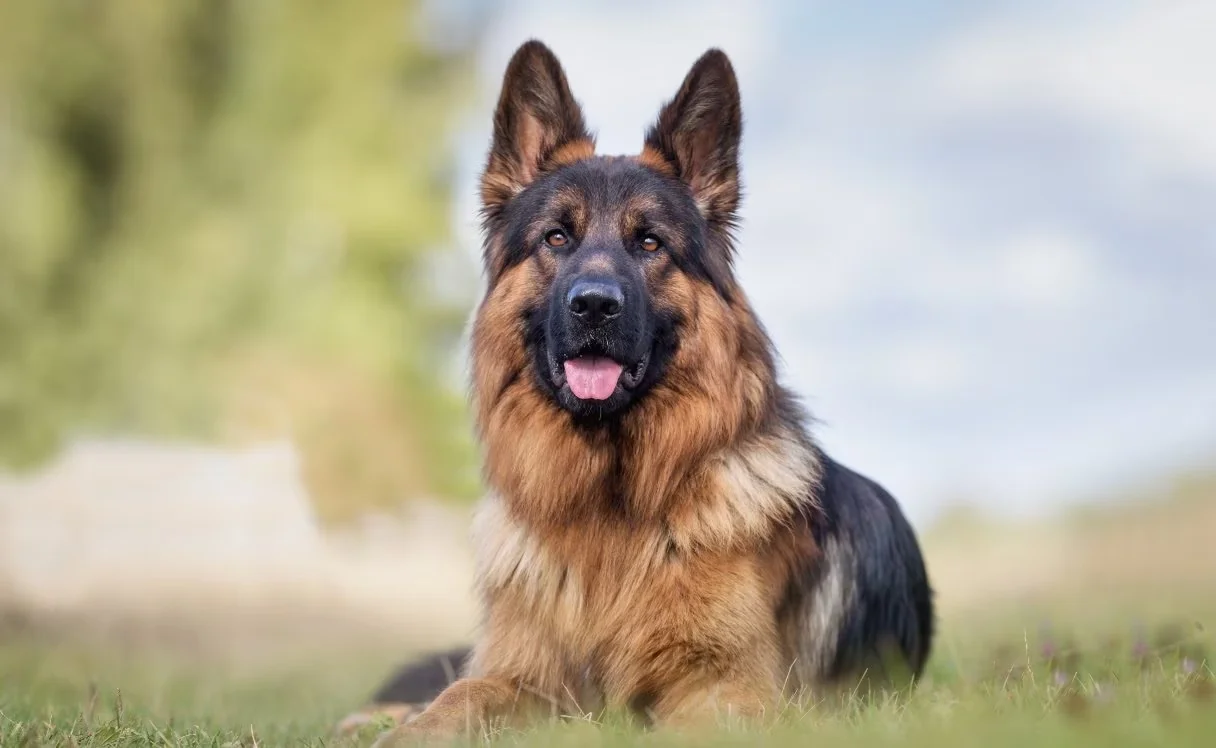
All German Shepherds trace back to the same founding dogs bred by Max von Stephanitz in Germany in 1899. But over the following century, breeders in different countries and eras selected for different traits, splitting the breed into distinct bloodlines. Some breeders prioritized working ability: intense drive, fearlessness, and the stamina to perform demanding jobs like police work, protection, and herding. Others prioritized appearance and a calmer, more manageable temperament suited to companionship and the show ring. The result is that "German Shepherd" today isn't one temperament, it's several, depending on which bloodline a particular dog comes from.
American Line: generally the calmest, most family-oriented option
American Line German Shepherds have been bred in the United States primarily as companions and show dogs for generations, with far less emphasis on working ability than their German counterparts. This shows in their temperament: American Lines tend to be affectionate, easygoing, and content with daily walks and playtime rather than demanding jobs to do. They're often recommended for families with children and first-time GSD owners specifically because they're easier to live with day to day. The tradeoff is that some breeders in this line have prioritized appearance heavily enough that working drive and even structural soundness have suffered in certain breeding programs, so it's worth asking about health testing regardless of which line you choose.
West German Show Line: a playful, moderately driven middle ground
West German Show Line dogs (sometimes called "high lines") split from working lines decades ago but, unlike American Lines, are still required to pass working titles and health certifications through Germany's SV breed club to qualify for breeding. This keeps them closer to the original standard: they're playful, alert, and trainable, with real but moderate drive, without the intensity of a true working line dog. Many owners find this the best balance for a family that wants a classic-looking, engaged German Shepherd without the round-the-clock exercise and mental stimulation a working line dog demands.
West German Working Line, DDR, and Czech Lines: higher drive, not necessarily less loving
Working lines, including West German Working Line, East German (DDR) Line, and Czech Line, were bred specifically for demanding jobs: police and military work, protection, search and rescue, and competitive dog sports. These dogs are typically described as intensely loyal to their families, and DDR lines in particular are often noted for being surprisingly gentle and patient with children they've grown up with, despite their intensity elsewhere. But their energy, drive, and need for a "job," whether that's formal training, dog sports, or extensive daily exercise, is substantially higher than show or American lines. Without an outlet for that drive, working line dogs can become anxious, destructive, or difficult to manage, which is why they're generally recommended for experienced owners rather than first-time dog owners looking for a low-key family pet.
How to actually find out which bloodline a specific dog is
If you're getting a puppy from a breeder, ask directly which bloodline they specialize in and ask to meet the parents, since temperament is heritable and meeting mom and dad tells you far more than the bloodline label alone. If you're adopting an adult dog whose lineage is unknown, focus on the individual dog's demonstrated temperament and energy level during a meet-and-greet rather than guessing from appearance, since mixed lineage and individual variation both make "typical bloodline traits" less predictable in a dog without papers.
Frequently Asked Questions
Which German Shepherd bloodline is best for a family?
American Line and West German Show Line German Shepherds tend to be the calmest and most family friendly, since they were bred primarily for companionship and the show ring rather than intense working drive. They are typically playful, affectionate, and easier for first time owners to manage than working line dogs.
Are working line German Shepherds good family dogs?
Working line German Shepherds, including West German Working Line, DDR, and Czech lines, can be loving family companions, but they have significantly higher energy, drive, and exercise needs than show or American lines. They generally do best with experienced owners who can provide consistent training, a job to do, and substantial daily exercise.
What is the difference between American line and German line Shepherds?
American Line German Shepherds are bred mainly as companions and show dogs, with a calmer temperament, sloped topline, and lower drive. German lines split further into show lines, which are moderately driven and family friendly, and working lines, which are bred for high intensity tasks like police, protection, and herding work.
Medical disclaimer: This article is for educational purposes only and does not constitute veterinary advice. Always consult a licensed veterinarian for diagnosis and treatment of your pet's health conditions.