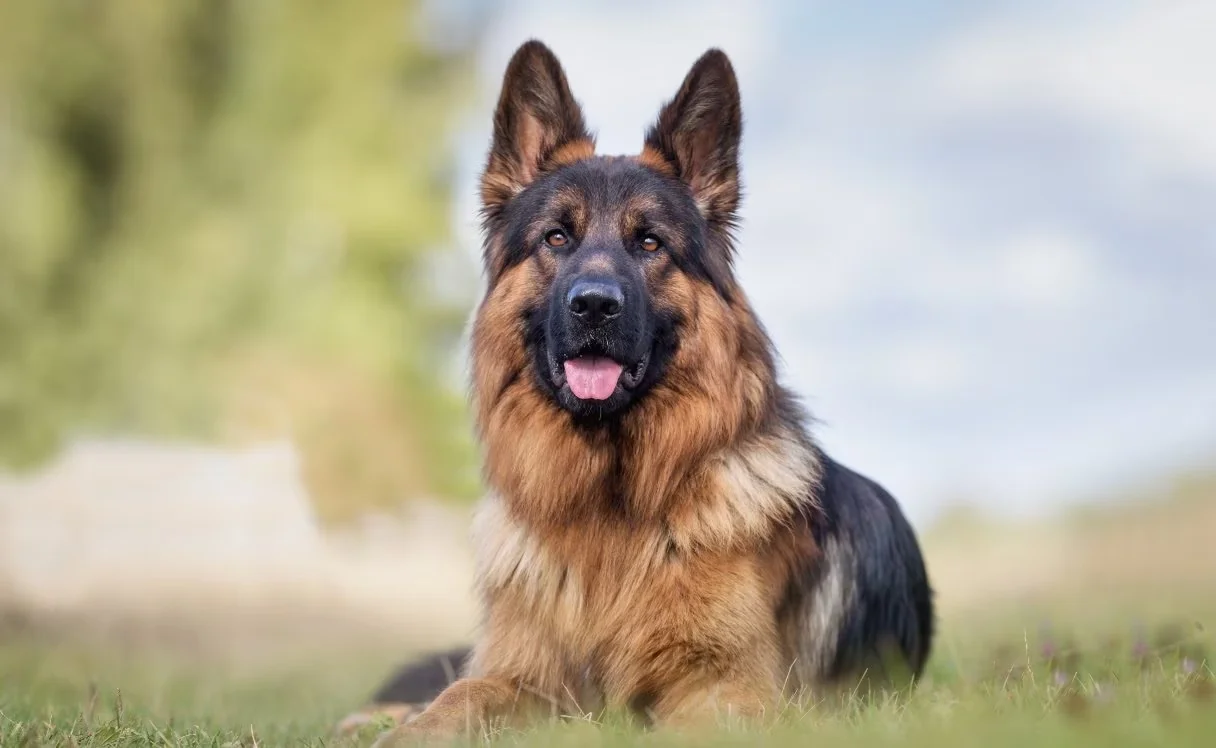

Heat cycle timing
Most German Shepherds go into heat about every six months, though the interval varies by individual dog and can range from roughly four to twelve months. Each cycle lasts about two to three weeks, moving through the same stages as other breeds: proestrus, marked by bloody discharge and a swollen vulva, followed by estrus, when the discharge lightens and the female becomes fertile. If you're trying to distinguish normal heat discharge from a sign of infection later in the cycle, see our guide on normal heat discharge versus pyometra.
Why hip and elbow screening matters so much for this breed
German Shepherds are one of the breeds most strongly associated with hip and elbow dysplasia, a hereditary condition where the joint doesn't form correctly, leading to arthritis and mobility problems later in life. Because the condition is heritable, screening breeding dogs before mating is one of the most effective ways to reduce how often it's passed to puppies. Standard pre-breeding screening for the breed includes:
- Hip evaluation, typically an X-ray scored through a certifying program, to assess joint conformation.
- Elbow evaluation, since elbow dysplasia is also common in the breed and is screened separately from hips.
- Degenerative myelopathy genetic testing, for the hereditary spinal cord condition known to affect the breed.
- General veterinary exam to confirm the dog is a good overall candidate for breeding and pregnancy.
Dogs who fail these screenings are generally not recommended for breeding, both for the puppies' sake and because significant joint or spinal disease can also make pregnancy and whelping harder on the mother herself. For more on managing joint disease if it does develop, see our canine arthritis management guide.
Pregnancy and litter size
Like other breeds, German Shepherd pregnancies last about 63 days from ovulation. Litters typically range from six to eight puppies, with first-time mothers sometimes having somewhat smaller litters than experienced ones. An ultrasound partway through pregnancy or an X-ray closer to the due date can help estimate how many puppies to expect.
Whelping and warning signs
German Shepherds generally deliver without needing surgical assistance, since their proportions allow puppies to pass through the birth canal without the mismatch seen in brachycephalic breeds. As with any breed, though, contact your veterinarian immediately if you notice active straining for more than 30 minutes without a puppy appearing, more than two to four hours between puppies when you believe more remain, dark or foul-smelling discharge before the first puppy arrives, or a mother who becomes weak or disoriented. Given the breed's working drive and high energy, it's also worth planning for a period of restricted activity in the weeks around whelping, even if the mother seems eager to resume her normal routine sooner.
Postpartum care
Once puppies arrive, keep an eye on the mother's appetite, temperature, and behavior over the following two to three weeks, since several reproductive complications develop after a completely normal delivery rather than during it. Watch the mammary glands for swelling, heat, or discoloration, which can indicate mastitis, and watch for restlessness, panting, muscle tremors, or stiffness, which can be early signs of eclampsia caused by low blood calcium during peak nursing demand. Both conditions progress quickly once symptoms start, so early veterinary attention matters more than waiting to see if things improve.
Frequently Asked Questions
How often do German Shepherds go into heat?
Most German Shepherds go into heat about every six months, though the interval can range from every four to every twelve months depending on the individual dog. Each heat cycle lasts roughly two to three weeks.
Why is hip screening important before breeding a German Shepherd?
German Shepherds are one of the breeds most commonly affected by hip and elbow dysplasia, a hereditary joint condition. Screening breeding dogs through hip and elbow evaluations before mating helps reduce the likelihood of passing the condition on to puppies.
How many puppies do German Shepherds typically have?
German Shepherds typically have litters of six to eight puppies, though litters can range from as few as one to more than ten. Litter size tends to be somewhat smaller in first-time mothers.
Medical disclaimer: This article is for educational purposes only and does not constitute veterinary advice. Always consult a licensed veterinarian for diagnosis and treatment of your pet's health conditions.