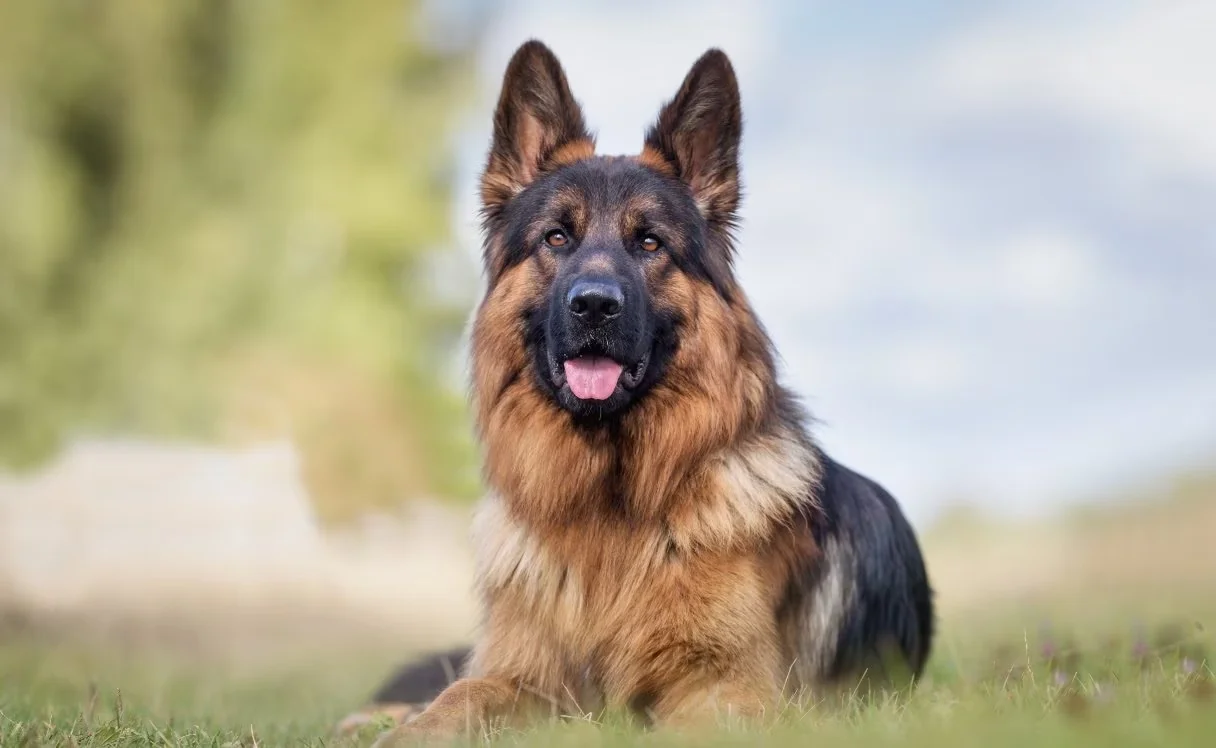

The German Shepherd is one of the most versatile and capable dogs in existence — excelling in police work, search and rescue, service roles, and family companionship. But that capability requires commitment: German Shepherds need at least 2 hours of daily exercise and ongoing mental engagement or they become anxious, destructive, and difficult to live with. They are intensely loyal to their family and naturally aloof with strangers — exactly what they were bred to be. Early, thorough socialisation from 8 weeks onward is non-negotiable for a well-adjusted adult.
Breed Overview
- German Shepherds are highly intelligent, versatile working dogs bred for loyalty and trainability
- They require at least two hours of daily exercise plus mental stimulation to thrive
- Excellent family companions when properly trained and socialized from puppyhood
- Heavy shedders with a double coat requiring regular brushing several times weekly
- Prone to certain genetic health conditions, so choose responsible breeders who test breeding stock
The German Shepherd acts as one of the most recognizable, versatile, and beloved dog breeds in the world. Originally developed in Germany in the late nineteenth century for herding sheep, these intelligent and capable dogs have excelled in countless roles including police work, military service, search and rescue, disability assistance, and devoted family companionship.
This detailed guide explores everything you need to know about the German Shepherd, from their loyal temperament and exceptional trainability to their exercise requirements, grooming needs, and potential health concerns. Whether you are considering adding a German Shepherd to your family or simply want to learn more about this remarkable breed, understanding their unique characteristics is essential for providing the best possible care.
Quick Breed Facts
Breed History and Origin
The German Shepherd breed was developed in Germany in 1899 by Captain Max von Stephanitz, who sought to create the ideal herding dog combining intelligence, strength, loyalty, and trainability. Von Stephanitz founded the Verein fur Deutsche Schaferhunde (Society for the German Shepherd Dog) and established strict breeding standards focused on working ability rather than appearance.
German Shepherds quickly gained international recognition for their versatility and capability. During World War I, they served as messenger dogs, rescue dogs, and guards. After the war, the breed gained popularity in the United States, though anti-German sentiment led to the name being temporarily changed to "Alsatian" in some countries.
Throughout the twentieth century, German Shepherds became synonymous with police and military work, search and rescue operations, and service dog roles. Their intelligence, courage, and willingness to work made them invaluable partners in countless life saving missions. Today, they remain one of the most popular and respected dog breeds worldwide.
Physical Characteristics
German Shepherds are large, athletic dogs with a noble, confident appearance. Males stand 24 to 26 inches tall at the shoulder and weigh 65 to 90 pounds, while females are slightly smaller at 22 to 24 inches tall and 50 to 70 pounds. They reach their full height around 18 months but continue filling out with muscle mass until age two to three.
The breed features a strong, muscular build with a slightly elongated body, deep chest, and powerful hindquarters designed for endurance and agility. Their head is noble and proportionate, with alert, erect ears and intelligent, almond shaped eyes that are typically dark brown.
German Shepherds have a double coat consisting of a dense, straight outer coat and a thick undercoat. The coat is medium length and sheds year round, with heavier shedding periods twice annually when they "blow coat." Common colors include black and tan, sable, solid black, and bi-color patterns.
Two main types exist within the breed. Show line German Shepherds often have a more pronounced angulation in the rear and a calmer demeanor, bred primarily for conformation to breed standards. Working line German Shepherds typically have straighter backs, higher drive, and greater intensity, bred for performance in protection, police, or military work. Both are purebred German Shepherds with different breeding priorities.
Temperament and Personality
German Shepherds are renowned for their loyalty, courage, and intelligence. They form deep, devoted bonds with their families and are naturally protective without being overly aggressive when properly trained and socialized. This protective instinct makes them excellent watchdogs, though they should not be aggressive toward strangers without cause.
These dogs are highly intelligent and eager to work, ranking among the top three most trainable breeds. They thrive on having a job to do and excel in obedience training, agility, protection sports, and service work. However, their intelligence means they require mental stimulation as well as physical exercise to prevent separation anxiety and boredom and destructive behaviors.
German Shepherds are typically confident, alert, and courageous. They can be reserved with strangers but should not be shy or fearful. Early and ongoing socialization is key to ensure they develop into well adjusted adults who can distinguish between normal situations and genuine threats.
With children in their family, German Shepherds are often gentle, patient, and protective. However, their large size and energetic nature mean supervision is important around very young children. They generally do well with other pets when raised together, though their herding instinct may lead them to try to "manage" smaller animals.
Exercise Requirements
German Shepherds are high energy working dogs that require substantial daily exercise. They need at least two hours of physical activity each day, ideally split between walks, playtime, and structured activities. Without adequate exercise, they may become restless, anxious, or develop destructive behaviors.
Beyond physical exercise, German Shepherds require considerable mental stimulation. These intelligent dogs thrive on learning new commands, solving puzzles, and engaging in activities that challenge their minds. Obedience training, agility courses, scent work, and interactive toys all help meet their cognitive needs.
German Shepherds excel at dog sports and working activities. Many enjoy hiking, running, swimming, fetch, and tug of war. They are natural candidates for advanced training in protection sports, tracking, search and rescue, or service dog work. Providing a "job" or purpose helps fulfill their breeding instincts and strengthens the bond with their owner.
While German Shepherds can adapt to various living situations, they do best in homes with secure yards where they can move freely. They can live in apartments if their exercise needs are rigorously met, but their size, energy, and tendency to bark make larger spaces preferable.
Training and Socialization
German Shepherds are among the most trainable dog breeds, thanks to their intelligence, eagerness to please, and strong work ethic. They respond exceptionally well to positive reinforcement training methods that use rewards, praise, and consistency.
Early socialization is absolutely critical for German Shepherd puppies. Expose them to a wide variety of people, animals, environments, sounds, and experiences from a young age. This helps prevent fearfulness, aggression, or over protectiveness later in life. Puppy classes provide valuable socialization opportunities while teaching basic obedience.
Basic obedience training should begin as soon as you bring your puppy home. German Shepherds learn quickly, so consistency is key. Teach essential commands like sit, stay, come, down, and leave it. Leash training and proper greeting behaviors are also important for managing their size and strength.
Because of their protective nature, it is important to teach German Shepherds appropriate boundaries. They should learn to distinguish between normal visitors and genuine threats. Professional training can be valuable, especially for first time German Shepherd owners or those interested in advanced work.
Never use harsh punishment or dominance based training methods with German Shepherds. These sensitive dogs respond best to clear communication, fair expectations, and positive reinforcement. Building trust and respect through patient, consistent training creates the strongest bond and most reliable companion.
Grooming and Coat Care
German Shepherds have a double coat that requires regular maintenance. They shed moderately year round and experience heavier shedding periods twice annually when they "blow coat." During these times, daily brushing may be necessary to manage loose hair.
Brush your German Shepherd at least two to three times per week using a slicker brush or undercoat rake to remove loose hair and distribute natural oils. Regular brushing helps reduce shedding around your home and keeps their coat healthy and shiny.
Bathe your German Shepherd only as needed, typically every two to three months or when they get dirty. Over bathing can strip natural oils from their coat and skin. Use a quality dog shampoo formulated for double coated breeds.
Other grooming needs include regular nail trimming, ear cleaning, and dental care. Check ears weekly for signs of infection, especially if your dog spends time outdoors. Brush teeth several times per week to prevent dental disease. Trim nails as needed to prevent overgrowth and discomfort.
Health Concerns
German Shepherds are generally healthy dogs, but like all purebreds, they are prone to certain genetic health conditions. Responsible breeders test their breeding stock for these issues to reduce the risk of passing them to offspring.
Common health issues in German Shepherds include:
- Hip Dysplasia: A genetic condition where the hip joint does not develop properly, potentially leading to arthritis and pain. Reputable breeders screen breeding dogs with OFA or PennHIP evaluations.
- Elbow Dysplasia: Similar to hip dysplasia but affecting the elbow joint, causing lameness and discomfort.
- Degenerative Myelopathy: A progressive neurological disease affecting the spinal cord, leading to weakness and paralysis in the hind limbs. Genetic testing is available.
- Exocrine Pancreatic Insufficiency (EPI): A condition where the pancreas does not produce enough digestive enzymes, causing weight loss and digestive issues. Manageable with enzyme supplements.
- Bloat (Gastric Dilation Volvulus): A life threatening emergency where the stomach expands with gas and may twist. Deep chested breeds like German Shepherds are at higher risk. Feed smaller meals, avoid exercise around mealtimes, and discuss preventive gastropexy with your veterinarian.
- Hemangiosarcoma and Osteosarcoma: Certain cancers occur more frequently in German Shepherds. Early detection and treatment improve outcomes.
- Skin Conditions: German Shepherds can be prone to allergies, hot spots, and other dermatological issues. Proper nutrition and grooming help maintain skin health.
Regular veterinary care, proper nutrition, appropriate exercise, and maintaining a healthy weight all contribute to your German Shepherd's overall health and longevity. Discuss a preventive care plan with your veterinarian, including recommended screenings based on your dog's age and risk factors.
Nutrition and Feeding
German Shepherds should be fed a high quality, well balanced dog food appropriate for their life stage. Large breed puppy formulas support healthy bone and joint development during rapid growth phases. Adult German Shepherds typically do well on two meals per day.
Because of their risk of bloat, avoid feeding one large meal or allowing your German Shepherd to eat too quickly. Consider using slow feed bowls and waiting at least one hour after eating before vigorous exercise. Some owners find success with elevated feeders, though research on bloat prevention is mixed.
Monitor your German Shepherd's weight and body condition. Obesity can exacerbate joint problems and other health issues. Adjust food portions based on activity level, age, and individual metabolism. Consult your veterinarian if you have concerns about your dog's weight or nutritional needs.
Fresh, clean water should be available at all times. Discuss with your veterinarian whether supplements like glucosamine and chondroitin might benefit your German Shepherd's joint health, especially as they age.
Is a German Shepherd Right for You?
German Shepherds are not the right breed for every dog owner. They are best suited for active, experienced owners who can meet their substantial exercise, training, and mental stimulation needs.
A German Shepherd may be right for you if you:
- Lead an active lifestyle and enjoy outdoor activities
- Have time for daily exercise and training sessions
- Want a loyal, protective companion and family guardian
- Are interested in dog sports, working roles, or advanced training
- Have experience with large, intelligent breeds
- Can commit to ongoing socialization and training
- Have a secure yard or access to exercise areas
A German Shepherd may not be right for you if you:
- Prefer a low maintenance or low energy breed
- Cannot commit to two or more hours of daily exercise
- Are away from home for long periods regularly
- Want a dog that is immediately friendly with everyone
- Are not prepared for heavy shedding and regular grooming
- Have not owned a large, powerful breed before
- Live in a small apartment without adequate exercise access