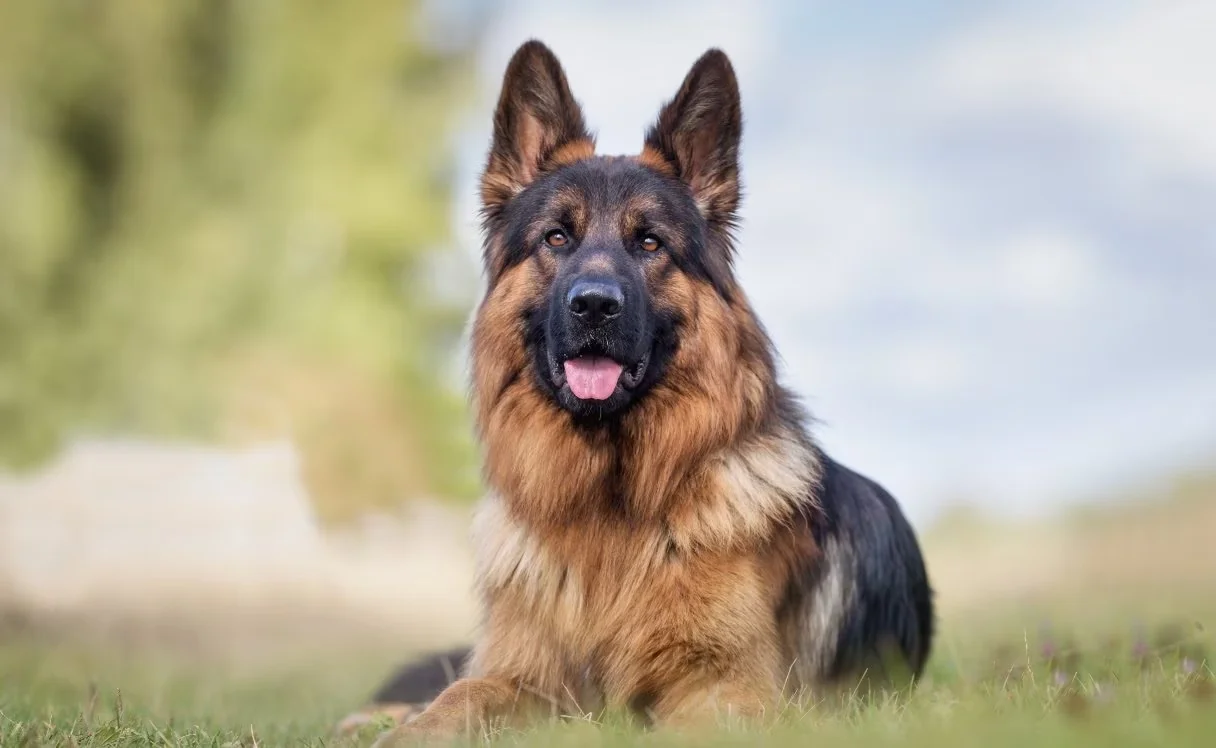

Working dog breeds were shaped by thousands of years of selective pressure toward specific tasks — guarding, drafting, rescue, and service roles — and that drive does not switch off in a suburban home. These are not dogs that adapt to a sedentary lifestyle; they are dogs that need a job. The difference between a working breed that is well-matched to its owner and one that is not is stark: brilliant, devoted, and manageable on one side; destructive, anxious, and overwhelming on the other. The commitment they ask for is real. So is the reward.
Key Takeaways
- Working dog breeds were selectively developed over centuries for specific tasks including guarding, herding, pulling, rescue, and service roles
- The AKC recognises a formal Working Group of 31 breeds, with the Herding Group containing an additional 30 breeds often classified as working dogs in common usage
- Working breeds share core traits: high intelligence, strong physical stamina, intense drive, and a need for purposeful daily activity
- Without adequate exercise and mental stimulation, working breeds commonly develop anxiety, destructive behaviour, and compulsive habits
- Some working breeds like the Bernese Mountain Dog and Boxer are genuinely family-friendly; others like the Belgian Malinois are best suited to experienced handlers
- Matching a working dog to your lifestyle is critical; buying based on appearance alone frequently leads to mismatches that are difficult to manage
In This Guide
Dogs have worked alongside humans for thousands of years. Long before they were kept purely as companions, dogs were indispensable partners in farming, hunting, transportation, security, and search operations. The breeds that carry this heritage today are among the most impressive animals on earth in terms of intelligence, physical capability, and trainability. They are also among the most demanding to own. Understanding what working dog breeds were built for, and what happens when those drives have nowhere productive to go, is the starting point for anyone considering one of these dogs.
What Is a Working Dog Breed?
In the broadest sense, a working dog breed is any dog selectively bred to perform practical tasks that assist humans. This covers an enormous range of activity: guarding property, herding sheep across mountainous terrain, pulling sleds through Arctic conditions, retrieving waterfowl, tracking missing persons, detecting narcotics and explosives, assisting people with disabilities, and much more.
In formal kennel club terms, the American Kennel Club (AKC) classifies 31 specific breeds in its Working Group, including Rottweilers, Doberman Pinschers, Siberian Huskies, Great Danes, Saint Bernards, and Boxers. A separate Herding Group of 30 breeds contains dogs specifically developed to move and control livestock. In common usage, both groups are routinely discussed together under the umbrella term "working dog breeds."
Guardian Breeds
Bred to protect livestock, property, and families. Independent thinkers with strong territorial instinct.
Herding Breeds
Built to move and control livestock over long distances. Extraordinarily intelligent with intense focus.
Search and Rescue
Dogs with exceptional scenting ability and stamina used in natural disasters, avalanches, and missing persons cases.
Police and Military
Highly drive-intensive breeds used for apprehension, explosives detection, and tactical support by law enforcement.
Service Dogs
Trained to assist people with physical or psychiatric disabilities. Often from retriever or working breeds.
Sled Dogs
Endurance breeds built to pull weight across long distances in extreme cold. High energy, independent spirit.
AKC Working Group vs. Herding Group
The distinction matters to breeders and show enthusiasts, but for owners it is the practical difference in instinct that counts. The AKC's Working Group contains breeds originally developed for tasks that did not primarily involve controlling the movement of other animals: guarding, hauling, water rescue, and property protection. Rottweilers historically drove cattle to market but were not herding dogs in the traditional sense. Saint Bernards rescued travellers buried in Alpine snow. Siberian Huskies pulled supply sleds across vast distances for the Chukchi people.
The Herding Group, by contrast, contains breeds that were purpose-built to respond to animal movement with speed, intelligence, and precision. Border Collies, German Shepherds, and Australian Shepherds will attempt to herd children, cyclists, and other pets if their instinct is not properly channelled. This distinction affects how you need to manage these dogs at home.
Types of Working Roles Explained
Police and Military Dogs (K-9 Units)
The Belgian Malinois has become the dominant breed in police and military K-9 work worldwide, prized for its combination of intelligence, physical agility, drive, and size. German Shepherds remain common in general patrol and detection work. Dutch Shepherds, Rottweilers, and Doberman Pinschers are also used. These dogs are trained for patrol (apprehension and handler protection), narcotics detection, explosives detection (EDC), tracking, and building searches. The drives required for this work, particularly the prey drive and bite work, mean that police and military working dogs are not typical pet dogs, and responsible breeders in these lines do not typically sell working-line dogs to inexperienced owners.
Search and Rescue Dogs
SAR dogs are trained to locate missing persons using air scent (detecting human scent carried on the wind) or tracking (following a specific scent trail on the ground). Bloodhounds are unmatched for ground-tracking accuracy, with a documented ability to follow trails that are days old. German Shepherds, Labrador Retrievers, and Border Collies are widely used in air-scent and disaster SAR work. SAR dogs and their handlers typically train with specialist organisations for years before being deployed to real incidents.
Herding Dogs
Working farm herding dogs remain essential in livestock agriculture worldwide. A well-trained Border Collie or Australian Cattle Dog can control hundreds of sheep with minimal direction from a human handler, covering many miles per day. The herding instinct is so deeply embedded in these breeds that it manifests as eye-stalking, crouching, and circling behaviour even in dogs with no livestock exposure whatsoever. Managing this instinct constructively through herding trials, agility, treibball, and other dog sports is important for the psychological wellbeing of these breeds in non-working homes.
Service and Assistance Dogs
Service dogs are trained to perform specific tasks that mitigate a person's disability under the Americans with Disabilities Act (ADA). Common roles include guide dogs for people with visual impairments (predominantly Labrador and Golden Retrievers), hearing alert dogs, mobility assistance dogs, diabetic alert dogs, epilepsy alert dogs, and psychiatric service dogs. The selection and training process for service dogs is rigorous and lengthy, typically requiring one to two years of professional training with considerable costs involved.
Top Working Dog Breeds Profiled
German Shepherd
The German Shepherd is the world's most versatile working dog. It excels in police patrol, military service, search and rescue, guide and service work, competitive obedience, Schutzhund/IPO sport, and family protection. They are highly intelligent, deeply loyal, and bond strongly with their primary handler. The breed requires extensive socialisation from puppyhood, at least two hours of daily exercise, and ongoing mental stimulation through training. German Shepherds from working lines (such as Czech or East German DDR bloodlines) are significantly more drive-intensive than show lines and require experienced ownership. Typical lifespan is 9 to 13 years.
Belgian Malinois
The Belgian Malinois has become the most sought-after police and military working dog in the world, replacing the German Shepherd in many elite units due to its lighter frame, explosive agility, and relentless drive. These are exceptional dogs in the right hands, but they are genuinely among the most demanding breeds that exist as pets. A Malinois that does not have a rigorous, structured daily routine of demanding work and training will often become destructive, reactive, or develop serious behavioural problems. They are not a breed for first-time owners, casual owners, or households that cannot commit to multiple hours of structured activity every single day. Lifespan: 12 to 14 years.
Rottweiler
One of the oldest working breeds with origins in Roman drover dogs, the Rottweiler evolved into a herding and cart-pulling dog in southern Germany before becoming a prominent police, service, and guard breed. A well-bred and properly socialised Rottweiler is confident, calm, and deeply loyal to its family, reserved with strangers but not unprovoked aggressive. They are powerful dogs with meaningful bite strength and strong guarding instinct, which makes early and continued socialisation non-negotiable. They need firm, consistent positive training from an experienced handler. Lifespan: 9 to 10 years. Health watch: hip dysplasia, elbow dysplasia, aortic stenosis.
Doberman Pinscher
The Doberman Pinscher was developed in Germany in the late 19th century by a tax collector who wanted the ideal personal protection dog. The result was a sleek, powerful, highly intelligent breed that excels in personal protection, police work, obedience competition, and service roles. Modern Dobermans have been bred to be somewhat softer in temperament than their historical working counterparts while retaining high intelligence and trainability. They form intense bonds with their families and can be anxious when left alone for extended periods. The breed carries a clear genetic burden, including dilated cardiomyopathy (DCM) and von Willebrand disease, making health testing of breeding stock critical. Lifespan: 10 to 13 years.
Siberian Husky
The Siberian Husky was developed by the Chukchi people of northeastern Siberia to pull lightweight sleds over vast Arctic distances with minimal food. This heritage produces a remarkably efficient, high-endurance dog with an independent spirit, low food motivation relative to other working breeds, and a strong prey drive combined with an exceptionally strong escape instinct. Huskies are generally friendly with people and not natural guard dogs. They require marked daily exercise, secure fencing, and an owner who understands that their independent nature makes off-leash recall unreliable without consistent training in controlled environments. They are vocal (howling rather than barking) and thrive in cooler climates. Lifespan: 12 to 14 years.
Boxer
The Boxer is one of the most family-friendly breeds in the Working Group, combining genuine working ability (police work, guarding, service roles) with a playful, affectionate nature that makes them excellent with children. They are high-energy dogs that need at least an hour of vigorous daily exercise but their training is generally more accessible to first-time owners of larger breeds than breeds like the Malinois or Rottweiler. Boxers are brachycephalic (flat-faced) to a moderate degree, which means they can overheat and struggle with strenuous exercise in hot weather. Important health considerations include boxer cardiomyopathy, aortic stenosis, and higher-than-average cancer rates. Lifespan: 10 to 12 years.
Bernese Mountain Dog
Developed in the Swiss Alps as a farm dog used for herding cattle, pulling carts, and guarding property, the Bernese Mountain Dog is one of the gentlest and most family-oriented breeds in the Working Group. They are calm, patient, and good with children and other animals. Their striking tri-colour coat requires regular grooming and sheds heavily, particularly twice yearly. The Bernese Mountain Dog's greatest health concern is its significantly shortened lifespan compared to breeds of similar size, typically only 7 to 10 years, heavily influenced by a high rate of cancers including histiocytic sarcoma. Anyone considering this breed should be emotionally prepared for a shorter-than-average time with their dog.
Border Collie
The Border Collie is widely recognised by animal behaviourists and trainers as the most intelligent dog breed in existence. Bred on the border region between Scotland and England to herd sheep for hours at a time with minimal human direction, the Border Collie's intelligence is extraordinary but comes with a price: this is also one of the most mentally demanding breeds to live with. Without a genuine job or extremely high levels of structured mental and physical activity, Border Collies frequently develop compulsive behaviours including obsessive ball chasing, shadow chasing, light fixation, and spinning. They are not suitable for inactive households or busy families who cannot commit to intensive daily engagement. Lifespan: 12 to 15 years.
Working Breed Comparison Table
| Breed | AKC Group | Energy Level | Good for Families? | Experience Needed | Typical Lifespan |
|---|---|---|---|---|---|
| German Shepherd | Herding | Very High | Yes (with socialisation) | Intermediate | 9-13 years |
| Belgian Malinois | Herding | Extreme | Not ideal | Experienced handlers only | 12-14 years |
| Rottweiler | Working | High | Yes (experienced owners) | Intermediate to advanced | 9-10 years |
| Doberman Pinscher | Working | High | Yes (with training) | Intermediate to advanced | 10-13 years |
| Siberian Husky | Working | Very High | Yes (active families) | Intermediate | 12-14 years |
| Boxer | Working | High | Excellent | Beginner to intermediate | 10-12 years |
| Bernese Mountain Dog | Working | Moderate | Excellent | Beginner friendly | 7-10 years |
| Border Collie | Herding | Extreme | Active households only | Intermediate to advanced | 12-15 years |
Training a Working Dog: What You Need to Know
Working breeds are among the most trainable dogs on earth, but trainability is a double-edged characteristic. A highly intelligent, drive-intensive dog trained poorly learns bad habits just as efficiently as it learns good ones, and those habits can be significantly harder to address than in a lower-drive breed. Several principles apply to training virtually all working breed dogs.
Start Early and Stay Consistent
Socialisation and basic obedience should begin the day the puppy comes home, typically at 8 to 12 weeks old. The critical socialisation window closes around 14 to 16 weeks. Every positive exposure to people, dogs, environments, sounds, and surfaces during this window builds neural pathways that make the adult dog more adaptable and less reactive. Missing this window entirely is not recoverable in the same way.
Use Positive Reinforcement as the Primary Method
Food-based reward training combined with marker training (clicker or verbal marker) is the most efficient and scientifically supported method for training working breeds. Because working dogs are highly motivated, they respond extremely well to positive reinforcement. Punishment-based methods suppress behaviour without addressing underlying drive, often creating anxiety and unpredictability in high-drive dogs, which is a safety concern with powerful breeds.
Provide a Job
Working breeds need something to do. This does not mean they all need to herd sheep or detect narcotics, but it does mean they need structured, purposeful activities that engage both body and mind. Competitive obedience, agility, nosework, tracking, treibball, herding trials, dock diving, flyball, canicross, and hiking are all activities that provide the mental and physical outlet these breeds require. A working breed that has a regular, challenging activity it is trained for is almost always significantly easier to live with than one that has no structured outlet for its drive.
Tip: Mental Exercise Is As Exhausting as Physical Exercise Twenty minutes of focused nosework or advanced obedience training will tire a working dog more completely than an hour of unstructured running. Mental engagement that requires problem-solving, focus, and decision-making produces genuine cognitive fatigue. Building structured training sessions into the daily routine is as important as physical exercise for the psychological wellbeing of these breeds.
Is a Working Dog Right for You?
The appeal of working dog breeds is easy to understand. They are impressive animals, often striking in appearance, deeply loyal, and genuinely intelligent. But the vast majority of working dogs that end up in rescue organisations do so because their owner did not fully appreciate what owning a high-drive, high-intelligence dog actually requires on a daily basis for the fifteen or so years of the dog's life.
Be Honest About Your Lifestyle Before Choosing a Working Breed If you work long hours away from home five days a week, live in an apartment with no garden, and exercise infrequently, even the most easygoing working breed like the Bernese Mountain Dog or Boxer is going to struggle. Be honest about your energy levels, available time, living situation, and experience before committing to any working breed. Research rescues are full of Belgian Malinois, Huskies, and Border Collies surrendered by well-intentioned owners who loved the idea of the dog without understanding the reality.
A working dog is an excellent match for you if you live an active lifestyle with time for daily structured exercise and training, have experience with dogs, and can commit to ongoing socialisation, enrichment, and veterinary care. Active individuals, families with older children who enjoy outdoor activities, farmers, and people who compete in dog sports are natural working dog owners. If you are looking for a calm, low-maintenance companion for a quieter household, there are dozens of wonderful breeds outside the working and herding groups that are better suited to that role.