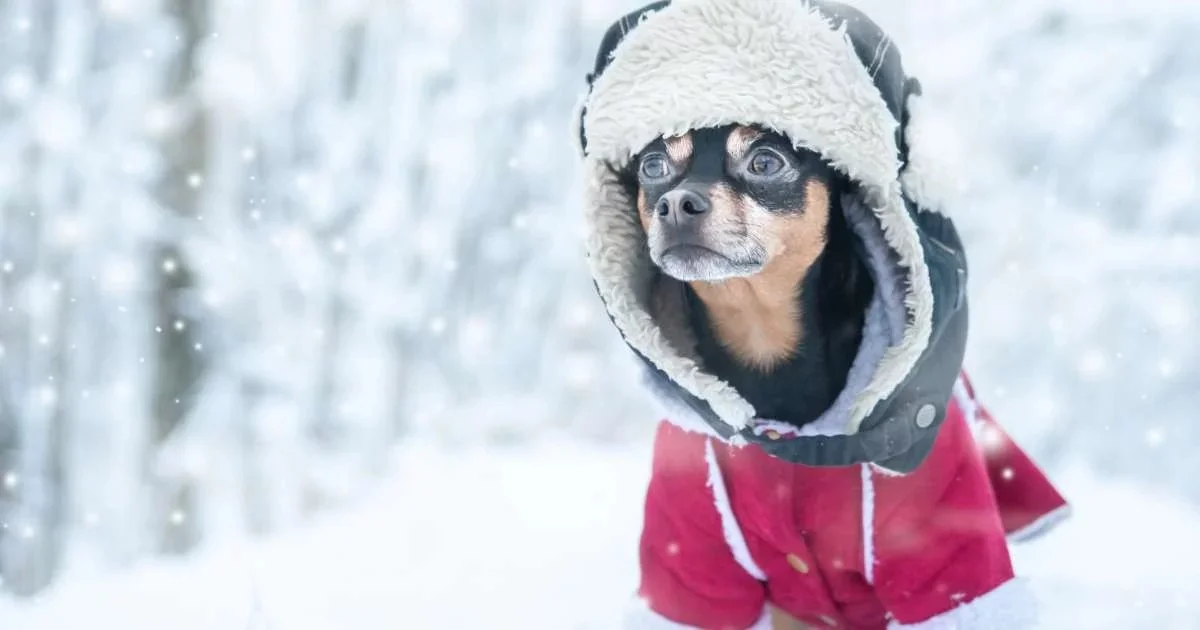

Winter weather creates extra challenges for dog owners. Low temperatures, ice, wind, and indoor dryness can all affect your dog’s comfort and health.
Understanding Cold Tolerance
Cold tolerance depends on breed, coat thickness, age, size, and health. Small dogs, puppies, seniors, and short haired breeds usually need extra warmth sooner than northern breeds with dense coats.
Protective Clothing and Gear
A properly fitted coat helps retain body heat. Waterproof outer layers help during rain or snow. Booties can protect paws from ice and road salt.
Paw Care and Protection
Trim hair between paw pads, wipe paws after walks, and check for cracks or irritation. Paw balm can help create a protective barrier.
Indoor Exercise and Mental Stimulation
Indoor obstacle setups borrowed from agility training are a great way to burn energy when outdoor time is limited.
When outdoor walks are shorter, use indoor games, training practice, puzzle feeders, and scent games to prevent boredom.
Health Monitoring During Winter
Watch for shivering, limping, stiffness, fatigue, or reluctance to go outside. Dogs with arthritis may worsen during cold weather.
Frequently Asked Questions
How cold is too cold for dogs?
Many dogs become uncomfortable below 45°F, though tolerance varies by breed and health.
Do dogs need winter coats?
Thin coated, small, senior, and young dogs often benefit from winter coats.
How do I protect my dog's paws in winter?
Use paw balm, wipe paws after walks, and use booties when needed.
Medical disclaimer: This article is for educational purposes only and does not constitute veterinary advice. Always consult a licensed veterinarian for diagnosis and treatment of your pet's health conditions.