
Why flat-faced anatomy matters beyond breathing
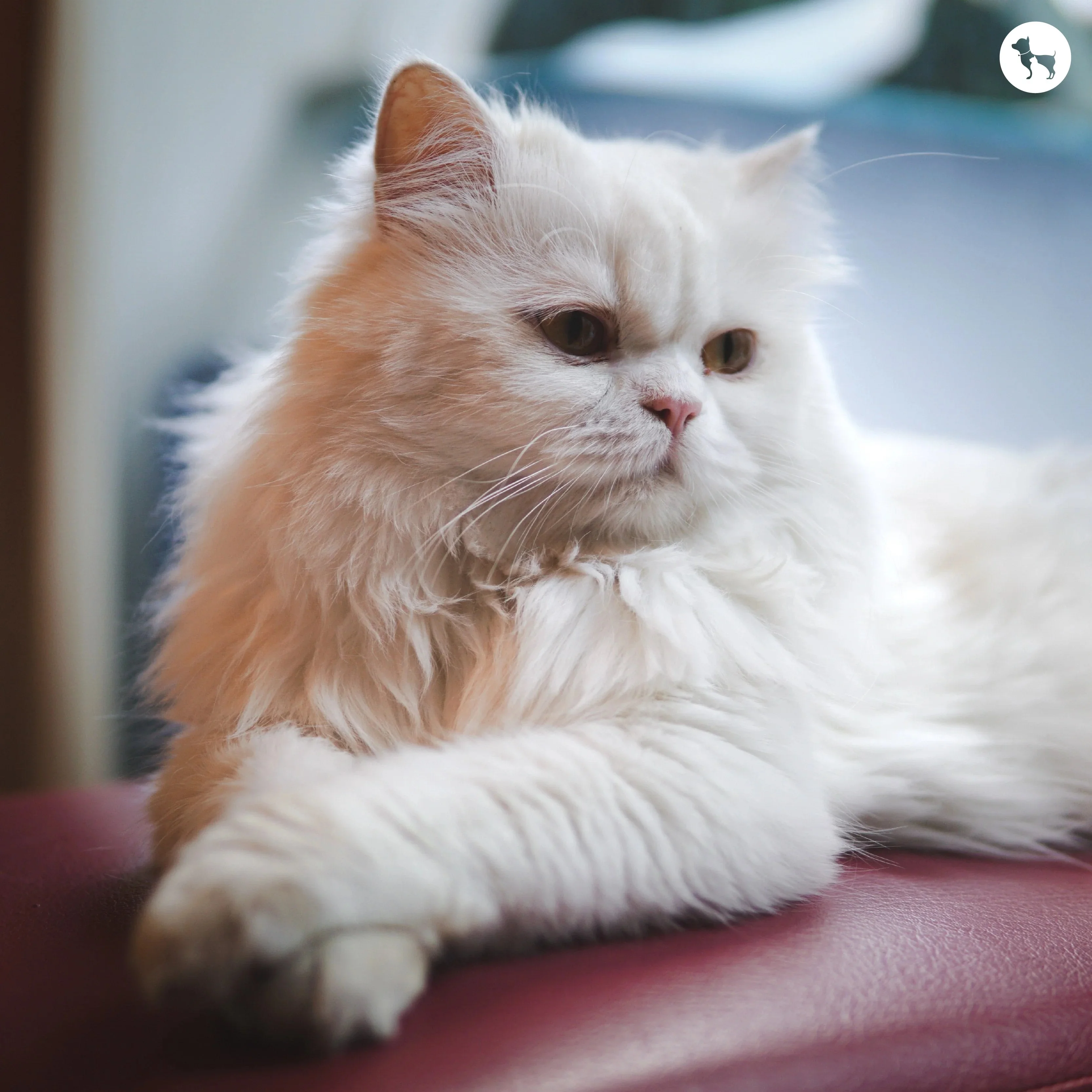
Persian cats are best known for their round faces and flattened muzzles, and most conversations about brachycephalic health in the breed focus on breathing, which is exactly what our brachycephalic cat care guide covers in detail. But the same selective breeding that shaped the skull can also affect the birth canal and how labor progresses, since skeletal conformation changes don't stop at the head. While Persian queens don't face dystocia rates as extreme as some brachycephalic dog breeds, veterinary literature consistently notes elevated birthing risk in flat-faced cat breeds compared to typical domestic cats.
What normal labor looks like in a Persian queen
Like other cats, Persians are pregnant for about 63 to 65 days. As delivery approaches, a queen will typically become restless, seek out a quiet nesting spot, and may stop eating in the final hours before labor begins. Once active labor starts, most kittens arrive within 30 to 60 minutes of visible straining, with the mother pausing to rest and clean each kitten between arrivals. A normal labor can take anywhere from a few hours to most of a day for a full litter, with natural rest periods in between. The key distinction from a problem labor is whether the mother is making progress or has stalled.
Signs of a difficult delivery in Persian cats
Because Persian faces are less expressive than typical cats and their vocalizations can be harder to read, owners sometimes miss early distress signals. Watch specifically for:
- Active, visible straining for more than 20 to 30 minutes without a kitten being delivered.
- More than 2 to 4 hours between kittens when you believe more remain, especially if the mother appears distressed or exhausted.
- A kitten visibly presenting at the birth canal that doesn't progress within a few minutes of straining.
- Green, black, or foul-smelling discharge without a kitten following soon after.
- Excessive crying, restlessness, or apparent exhaustion that seems beyond normal labor discomfort.
Any of these signs warrants an immediate call to your veterinarian or an emergency animal hospital. Unlike a slow but progressing labor, a stalled or obstructed labor will not resolve on its own and puts both the queen and her kittens at serious risk the longer it continues.
Preparing for a safer delivery
If you know your Persian is pregnant, schedule a veterinary check well before the due date so your vet can assess kitten size relative to the queen's pelvis, discuss what a normal labor should look like for your specific cat, and agree on a plan for when to call for help. Have your emergency vet's contact information ready in advance, and prepare a quiet, warm nesting area at least a week before the expected delivery date so the queen has time to settle into it.
After delivery: what to watch for
Once kittens arrive, monitor the mother for normal nursing behavior, appetite, and temperature over the following days. Warning signs after birth include a fever, foul-smelling discharge that persists beyond the first day or two, refusal to nurse or care for kittens, or visible lethargy. These can indicate a retained kitten or placenta, or a postpartum infection, both of which need prompt veterinary attention.
Frequently Asked Questions
Can Persian cats give birth naturally?
Many Persian cats do deliver naturally without complications, but their flat-faced (brachycephalic) conformation means they face a higher risk of dystocia than non-brachycephalic breeds. Owners should know the warning signs of a difficult labor and have an emergency vet contact ready before the due date.
How long can a Persian cat be in labor before it's an emergency?
If a queen strains actively for more than 20 to 30 minutes without producing a kitten, or goes more than 2 to 4 hours between kittens while showing signs of distress, contact your veterinarian immediately. A kitten visibly stuck in the birth canal that doesn't progress within a few minutes is also an emergency.
How long is a Persian cat pregnant?
Persian cats have a similar gestation length to other cat breeds, typically 63 to 65 days from conception. Because Persians can have difficulty judging labor progress due to their smaller, less expressive facial features, close monitoring near the due date is especially important.
Medical disclaimer: This article is for educational purposes only and does not constitute veterinary advice. Always consult a licensed veterinarian for diagnosis and treatment of your pet's health conditions.