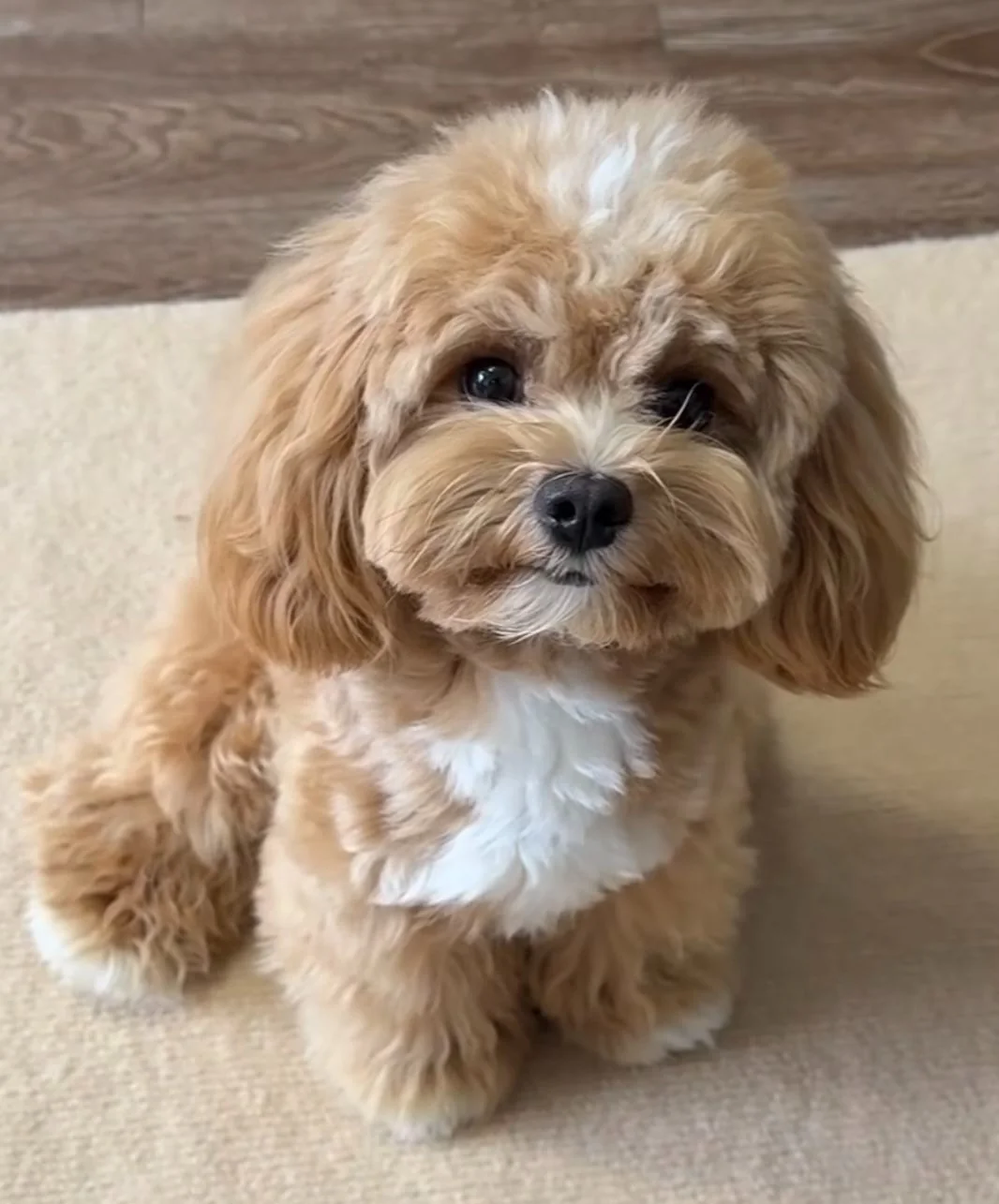
Maltipoo at a Glance
- A cross between a Maltese and a Toy or Miniature Poodle, not recognised by the AKC but one of the most popular designer breeds in the United States
- Adult weight ranges from 5 to 20 pounds depending on the Poodle parent's size. Toy-line Maltipoos stay under 10 pounds; Miniature-line dogs can reach 15 to 20 pounds
- Low-shedding coat makes them suitable for many allergy sufferers, but the coat requires daily brushing and professional grooming every 4 to 6 weeks
- Deeply affectionate and highly people-focused. Prone to separation anxiety if not carefully managed from puppyhood
- Intelligent and trainable using positive reinforcement. Highly food motivated, which makes training genuinely rewarding
- Common health concerns include patellar luxation, dental disease, tracheal collapse, White Shaker Syndrome, and Progressive Retinal Atrophy
The Maltipoo is what happens when two of the world's most beloved companion breeds are thoughtfully combined. The Maltese, a dog that has spent thousands of years perfecting the art of devoted human companionship, meets the Poodle, whose intelligence and low-shedding coat have made it one of the most widely used dogs in the designer breed movement. The result is a small, fluffy, bright-eyed dog that has captured an enormous following for genuinely good reasons.
That said, popularity brings with it a considerable amount of romanticised expectation, and Maltipoos are sometimes chosen primarily on appearance by owners who are not fully prepared for their grooming demands, their emotional sensitivity, or their tendency to become deeply reliant on human company. This guide covers all of it honestly.
Origin and Parent Breeds
The Maltipoo is not an ancient breed. It emerged as part of the designer or hybrid dog movement that grew significantly in the United States from the 1990s onward, following the popularity of the Labradoodle and Goldendoodle. The intention was to combine the Maltese's gentle, affectionate temperament and hypoallergenic-style coat with the Poodle's intelligence and low-shedding genetics, producing a compact companion suitable for apartment living and for owners with mild allergies.
The Maltese is one of the oldest documented dog breeds, with a history as a companion animal stretching back at least 2,000 years in the Mediterranean region. They were bred exclusively for human companionship, never for working purposes, which shaped a temperament that is gentle, devoted, and genuinely oriented toward people above all else.
The Toy or Miniature Poodle brings intelligence, trainability, and a curly, low-shedding coat to the mix. Poodles consistently rank among the most intelligent dog breeds and are highly food motivated, which makes training efficient and rewarding. The Poodle's coat genetics significantly influence the Maltipoo's coat type, with curlier Poodle genetics producing coats that shed less but tangle more readily.
Size and Generations Explained
Understanding Maltipoo size requires knowing which type of Poodle was used. A Maltipoo bred from a Toy Poodle parent will be considerably smaller than one bred from a Miniature Poodle. The size difference between these two categories is meaningful for owners considering apartment living, travel, or households with small children.
Maltipoo generations also matter for coat predictability and hypoallergenic quality:
First Generation
Direct Maltese x Poodle cross. Most variable in coat type and size. Some will be more Maltese in coat, some more Poodle. Hybrid vigour is strongest here. Most predictable in temperament.
F1 Maltipoo x Poodle. Higher proportion of Poodle genetics produces more consistently curly, low-shedding coats. Popular with allergy sufferers who want greater coat predictability.
Two F1 Maltipoos bred together. More genetic variation in coat type and size than F1b. Can produce a wide range of appearances even within the same litter.
F2 Maltipoo x Poodle. Again increases Poodle genetics for more consistent curly, low-shedding coats. Less common than F1b but sought for allergy-reduction purposes.
F1
F1b
F2
F2b
Even within a single litter, Maltipoo puppies can vary in adult size depending on which parent's genetics they express more strongly. If adult size matters significantly to you, asking the breeder about the weights of the specific parent dogs, not just the breed averages, gives a more reliable estimate of what your puppy will grow into.
Quick Stats and Ratings
Maltipoo Breed Profile
Breed Characteristic Ratings
Temperament and Personality
Maltipoos are fundamentally companion dogs. This is not a breed that has a working purpose redirected toward human interaction. Both parent breeds were developed specifically for human companionship, and the Maltipoo inherits that orientation entirely. They want to be with their people. They are happiest when they are physically close to their owner, whether that means sitting in a lap, following from room to room, or curling up beside them on the sofa.
This devoted nature comes with warmth and playfulness that many owners find deeply endearing. Maltipoos tend to be enthusiastic greeters, good-natured with visitors when properly socialised, and able to read their owner's mood with surprising accuracy. They can be calming presences and are widely used as therapy and emotional support animals because of their gentle, attuned quality.
The same sensitivity that makes them so responsive to their owners also makes them sensitive to household atmosphere. A Maltipoo in a tense, unpredictable, or noisy environment will show this in their behaviour, becoming anxious or reactive. They do best in calm, consistent, loving households and respond poorly to raised voices or harsh handling of any kind.
Maltipoos can be vocal. Both the Maltese and the Poodle have tendencies toward alerting their owners to anything they consider worth reporting, and this trait often surfaces in the Maltipoo as frequent barking at strangers, unfamiliar sounds, and visitors. This is manageable with consistent training, but owners who need a quiet dog for apartment living should factor it into their expectations.
Exercise and Mental Stimulation
Despite their small size, Maltipoos are active and playful dogs with genuine exercise needs. They are not a breed that can be satisfied with a single short walk and a few minutes of play. Daily exercise helps maintain healthy weight, joint health, and behavioural stability, and a Maltipoo that is under-exercised often becomes restless, destructive, or excessively vocal.
The good news is that their exercise needs are entirely manageable even in small spaces. Two short walks daily of 15 to 20 minutes each, supplemented by interactive indoor play, is typically sufficient. Fetch in a hallway, tug games, hide and seek with treats, and puzzle feeders all meet the exercise and mental stimulation requirement without needing a large garden or open field.
Daily Walks
Two 15 to 20 minute walks per day. Keep to a gentle pace and watch for signs of fatigue in very small or toy-sized dogs.
Puzzle Feeders
Food puzzles provide 15 to 20 minutes of focused mental work and are excellent for Poodle-intelligence-fuelled Maltipoos.
Indoor Fetch
Hallway fetch or indoor retrieval games give a physical and engaging outlet without needing outdoor space.
Training Sessions
Short training sessions of 3 to 5 minutes count as mental exercise. New tricks, scent games, and obedience practice all tire a Maltipoo effectively.
Coat Types and Grooming
Grooming is one of the areas where Maltipoo owners are most often underprepared. The coat looks beautiful in photographs and appeals because it sheds minimally. What is less visible in those photographs is the daily maintenance required to keep it that way.
Maltipoo coats range from wavy to tightly curly depending on which parent's genetics the individual dog expresses more strongly. Wavy coats, more common in F1 dogs, have a softer texture and mat less readily but still need regular brushing. Curly or tightly curled coats, more common in F1b and backcross generations, shed less but tangle and mat much more quickly if not brushed daily.
Without daily brushing, a Maltipoo coat mats at the skin level, which is painful and often requires a complete shave-down to correct. Many first-time Maltipoo owners discover this the hard way when they take their dog to a groomer and are told the only option is to clip the coat short because the matting is too severe to brush out.
-
Daily brushingUse a slicker brush and a metal comb, working through the coat in sections from root to tip. Pay particular attention to the areas behind the ears, under the collar, under the armpits, and around the groin where matting occurs first.
-
Professional grooming every 4 to 6 weeksIncludes a bath, blow-dry, and trim. Common coat styles include the puppy cut (uniform short all over), the teddy bear cut (slightly longer body with rounded face), and the lamb cut. Discuss with your groomer what works for your dog's coat type and your maintenance capacity.
-
Eye cleaning two to three times weeklyLight-coloured Maltipoos are particularly prone to tear staining. Gently wipe the area around the eyes with a clean damp cloth or proprietary tear stain remover. Keep the hair around the eyes trimmed to prevent irritation and chronic wetness.
-
Ear cleaning weeklyFloppy ears restrict airflow, which creates warm, moist conditions ideal for bacterial and yeast overgrowth. Check ears weekly for odour, redness, or dark discharge. Clean with a vet-recommended ear solution, never cotton buds into the canal. See our guide to ear problems in pets for reference on what normal vs. infected ears look like.
-
Teeth brushing two to three times weekly minimumDental disease affects the vast majority of small breed dogs by age 3. Daily is ideal but two to three times weekly using dog toothpaste (never human toothpaste, which contains xylitol) significantly reduces the risk. See our full guide to dog teeth cleaning for technique and product guidance.
-
Nail trimming every 3 to 4 weeksSmall breed nails grow quickly. Overly long nails affect gait, cause joint discomfort, and can curl into the paw pad if left untrimmed. Start nail handling in puppyhood to build tolerance.
Training a Maltipoo
Maltipoos are among the more trainable small breeds because they inherit the Poodle's intelligence and strong food motivation. They pick up new behaviours quickly, respond enthusiastically to positive reinforcement, and genuinely enjoy the engagement that training provides. Many Maltipoo owners are surprised by how capable their dog is once they begin structured training.
Positive reinforcement is the only training approach that works well with Maltipoos. They are emotionally sensitive dogs that respond to their owner's tone and emotional state — learn to recognise the signs your dog is scared or anxious so you can address stress before it escalates. Harsh corrections, raised voices, or punishment-based methods cause anxiety in this breed and reliably produce avoidance and shutdown rather than learning. A calm, consistent, reward-based approach builds both reliable behaviour and a trusting relationship.
The most important single training goal for Maltipoos is recall. Because they can be bold for their size and occasionally vocal or reactive toward larger dogs, a reliable come command provides a safety net in challenging situations. For a full foundation training plan covering sit, down, stay, come, and loose-lead walking, see our dog training basics guide.
Maltipoos are small enough that owners often let them get away with behaviours they would correct in a larger dog. Jumping up, pulling on the lead, barking at visitors, and refusing recall are all tolerated because the physical consequences are minor. The problem is that an anxious, under-trained Maltipoo is still an anxious, under-trained dog, regardless of size. Consistent rules applied from day one produce a far more relaxed, confident small dog than permissiveness does.
Separation Anxiety
Separation anxiety is one of the most important topics for any prospective Maltipoo owner to understand before bringing one home. Both parent breeds are companion dogs with a strong genetic predisposition toward close human attachment, and the Maltipoo inherits this tendency in full. Without deliberate management from puppyhood, a major proportion of Maltipoos develop true separation anxiety, which causes genuine distress when left alone.
Signs of separation anxiety in Maltipoos include barking or howling that begins immediately after departure and continues throughout the absence, destructive behaviour focused on exits or owner belongings, house training regression in a previously reliable dog, and excessive greeting behaviour when the owner returns.
Prevention is far more effective than treatment. From the first week home, build short, positive alone-time periods daily even when you are present in the house. Use a crate or pen as a pleasant, enriched space. Provide a frozen Kong exclusively during absences to build a positive association. Never make arrivals and departures emotionally charged. For a complete management and treatment plan, see our full guide to dog separation anxiety.
Maltipoos are not the best choice for owners who are away from home for more than 4 to 5 hours daily without a dog walker, daycare arrangement, or other consistent company. They are suited to owners who work from home, retirees, and households with someone reliably present throughout the day.
Common Health Conditions
| Condition | Description | What to Watch For |
|---|---|---|
| Patellar Luxation | Dislocated kneecap, the most common orthopaedic issue in small breeds. The kneecap slips out of the groove of the femur. Graded 1 to 4 depending on severity. | Intermittent limping or a skipping, hopping gait on a hind leg. The dog may shake the leg to pop the knee back into place. Mild cases managed with weight control and anti-inflammatories; severe cases require surgery. |
| Dental Disease | The most prevalent health issue in all small breeds. Small mouths mean teeth are crowded and plaque accumulates rapidly. Periodontal disease sets in early without daily dental care. | Bad breath is often the first sign. Also watch for reluctance to chew hard food, pawing at the mouth, and red or bleeding gum lines. Regular professional cleaning under anaesthesia is needed in addition to home brushing. |
| White Shaker Syndrome | An inflammatory or autoimmune condition of the nervous system causing generalised tremors throughout the body. Particularly associated with small white dogs including the Maltese and its crosses. Onset typically between 6 months and 3 years of age. | Fine or coarse tremors affecting the whole body, which worsen with excitement or activity and lessen at rest. Managed with immunosuppressive steroid doses. Most affected dogs require long-term medication. Usually responds well to treatment. |
| Tracheal Collapse | Weakening of the cartilage rings supporting the trachea, causing the airway to flatten partially when the dog breathes. More common in small and toy breeds. Worsened by obesity and collar pressure. | A distinctive honking cough, especially after excitement, drinking, or during warm weather. Managed with weight control, harness use instead of collar, and in moderate to severe cases with medication or surgery. |
| Progressive Retinal Atrophy (PRA) | Inherited degeneration of the retina causing progressive vision loss leading to blindness. Inherited from the Poodle line. No cure. Dogs typically adapt well as vision fades gradually. | Night blindness is usually the first sign, followed by increasing difficulty in dim light and eventually day vision loss. Avoid rearranging furniture once PRA is confirmed to help the dog handle by memory. |
| Legg-Calvé-Perthes Disease | Disruption to blood supply to the femoral head causing bone death and degeneration of the hip joint. Primarily affects young small breeds between 4 and 12 months of age. Typically requires surgical correction. | Progressive hind limb lameness in a young dog, muscle wasting of the affected leg, and reluctance to bear weight. A veterinary X-ray confirms the diagnosis. |
| Portosystemic Shunt (Liver Shunt) | Abnormal blood vessel that bypasses the liver, preventing proper toxin filtration. Can be present from birth (congenital) or develop later. Causes stunted growth, neurological signs, and gastrointestinal problems. | Signs in puppies include poor growth, wobbliness or disorientation after eating, excessive drooling, and seizures. Diagnosis requires blood tests and imaging. Surgical correction is often possible. |
| Epilepsy | Recurrent unprovoked seizures with a genetic or unknown cause. Both the Maltese and Poodle lines can carry epilepsy predisposition. Onset typically between 6 months and 5 years of age. | Seizures may involve collapse, paddling limbs, muscle stiffness, involuntary urination, and post-ictal confusion. See our full guide to seizures in dogs. Manageable with daily anticonvulsant medication in most cases. |
Maltipoos and other toy breeds should be walked on a harness rather than a collar to avoid placing pressure on the trachea. Even in dogs without diagnosed tracheal collapse, consistent collar-lead pressure during walks puts strain on the cartilage rings supporting the airway. A well-fitted H-harness or back-clip harness removes this risk entirely while still giving good control for loose-lead walking training.
Feeding and Nutrition
Maltipoos should be fed a high-quality small breed adult or puppy formula appropriate for their age. Small breed formulas use smaller kibble pieces suited to small mouths, and are typically calorie-adjusted to account for the higher metabolic rate of small dogs relative to their size. They are also often formulated to support dental health, which is particularly important for this breed.
Portion control is important because Maltipoos are prone to obesity, which puts additional stress on their joints, particularly the knees, where patellar luxation is already a concern. The feeding guidelines on your dog's food packaging are a starting point, but the correct amount is the one that maintains a healthy body condition, where ribs can be felt easily but not seen prominently. Most Maltipoos do well on two meals per day once past the puppy stage.
Avoid foods containing artificial preservatives, excessive fillers, or known allergens if your dog shows signs of food sensitivity. Maltipoos can develop skin reactions, ear infections, and gastrointestinal upset related to food sensitivities. If you notice these recurring, a veterinary-guided elimination diet can identify the trigger. See our full guide to pet allergy management for more.
Maltipoos with Families and Other Pets
Maltipoos are generally well-suited to family life, but their small size creates an important caveat around very young children. A toddler who grabs, squeezes, or drops a Maltipoo can cause serious injury. Families with children under 5 should supervise all interactions carefully and teach children how to handle small dogs before allowing independent interaction.
With older children who understand how to be gentle, Maltipoos are typically affectionate, playful, and patient companions. They enjoy the energy of older children and often form close individual bonds with particular family members.
Maltipoos generally get along well with other dogs, particularly when socialised to them during the critical socialisation window. Their small size means they should not be left unsupervised with much larger dogs, as play that is gentle from the larger dog's perspective can still cause injury to a 7-pound companion. They typically coexist well with cats, though introductions should be managed calmly and gradually.
Is a Maltipoo Right for You?
A Maltipoo is an excellent fit if you are looking for an affectionate, intelligent small companion who will be genuinely engaged with you and your household, you spend a considerable proportion of your time at home or can arrange consistent company during working hours, you are committed to a daily grooming routine and regular professional grooming appointments, and you live in an apartment or home without a large garden.
A Maltipoo is probably not the right choice if you work long hours away from home without alternative arrangements and cannot afford to address separation anxiety, you are looking for a low-maintenance dog in terms of grooming, you have very young children and have not owned small dogs before, or you need a very quiet dog and have a low tolerance for alert barking.
If the Maltipoo appeals but the grooming commitment feels like too much, similar temperaments with lower grooming demands include the Pug or the short-coated Chihuahua cross. If the small size is the primary concern, the Goldendoodle offers similar Poodle-cross intelligence and low-shedding qualities in a larger format.
Frequently Asked Questions
How big does a Maltipoo get?
Maltipoo size depends on whether the Poodle parent is a Toy or Miniature Poodle. Toy Maltipoos typically reach 5 to 10 pounds and stand 8 to 11 inches tall. Maltipoos from Miniature Poodle parents tend to reach 10 to 20 pounds and 11 to 14 inches at the shoulder. Most Maltipoos reach full adult size between 9 and 12 months of age.
Are Maltipoos hypoallergenic?
No dog is truly hypoallergenic, but Maltipoos are considered a low-shedding breed that tends to produce fewer airborne allergens than heavy-shedding dogs. Both parent breeds are low-shedding. However, individual dogs vary, and people with allergies respond differently to different dogs. Spending time with a specific dog before committing to ownership is the most reliable way to assess your personal reaction.
Do Maltipoos bark a lot?
Maltipoos can be vocal, inheriting a tendency toward alert barking from both parent breeds. They often bark at visitors, unfamiliar sounds, and anything they consider worth reporting. With consistent positive reinforcement training, excessive barking can be reduced significantly. A Maltipoo that barks excessively is often under-stimulated, anxious, or has not been trained with a quiet command.
Are Maltipoos good with children?
Maltipoos can be good family dogs but their small size makes them best suited to families with older, calmer children rather than toddlers. A small child can inadvertently injure a Maltipoo through rough handling or accidental dropping. Families with very young children should supervise all interactions closely. With older, respectful children, Maltipoos are typically affectionate and playful companions.
How much grooming does a Maltipoo need?
Maltipoos require meaningful daily grooming. Daily brushing is needed to prevent matting, as wavy to curly hair tangles readily. Professional grooming every 4 to 6 weeks is needed to maintain coat length and health. In addition, ear cleaning, teeth brushing two to three times weekly, nail trimming every 3 to 4 weeks, and eye area cleaning for tear staining are all regular requirements.
Do Maltipoos have separation anxiety?
Maltipoos are prone to forming very close attachments to their owners, which can develop into separation anxiety without proper management. Both parent breeds are companion-oriented with a tendency toward over-attachment. Building alone-time tolerance gradually from puppyhood, using positive crate training, and providing enrichment during absences are the most effective preventive strategies. Maltipoos are not well suited to households where they would be alone for 8 or more hours daily.
Medical disclaimer: This article is for educational purposes only and does not constitute veterinary advice. Always consult a licensed veterinarian for diagnosis and treatment of your pet's health conditions.