Critical Points for Herding Breed Owners
- The MDR1 (ABCB1) gene mutation causes a non-functional P-glycoprotein pump, allowing certain drugs to accumulate to toxic levels in the brain and other organs
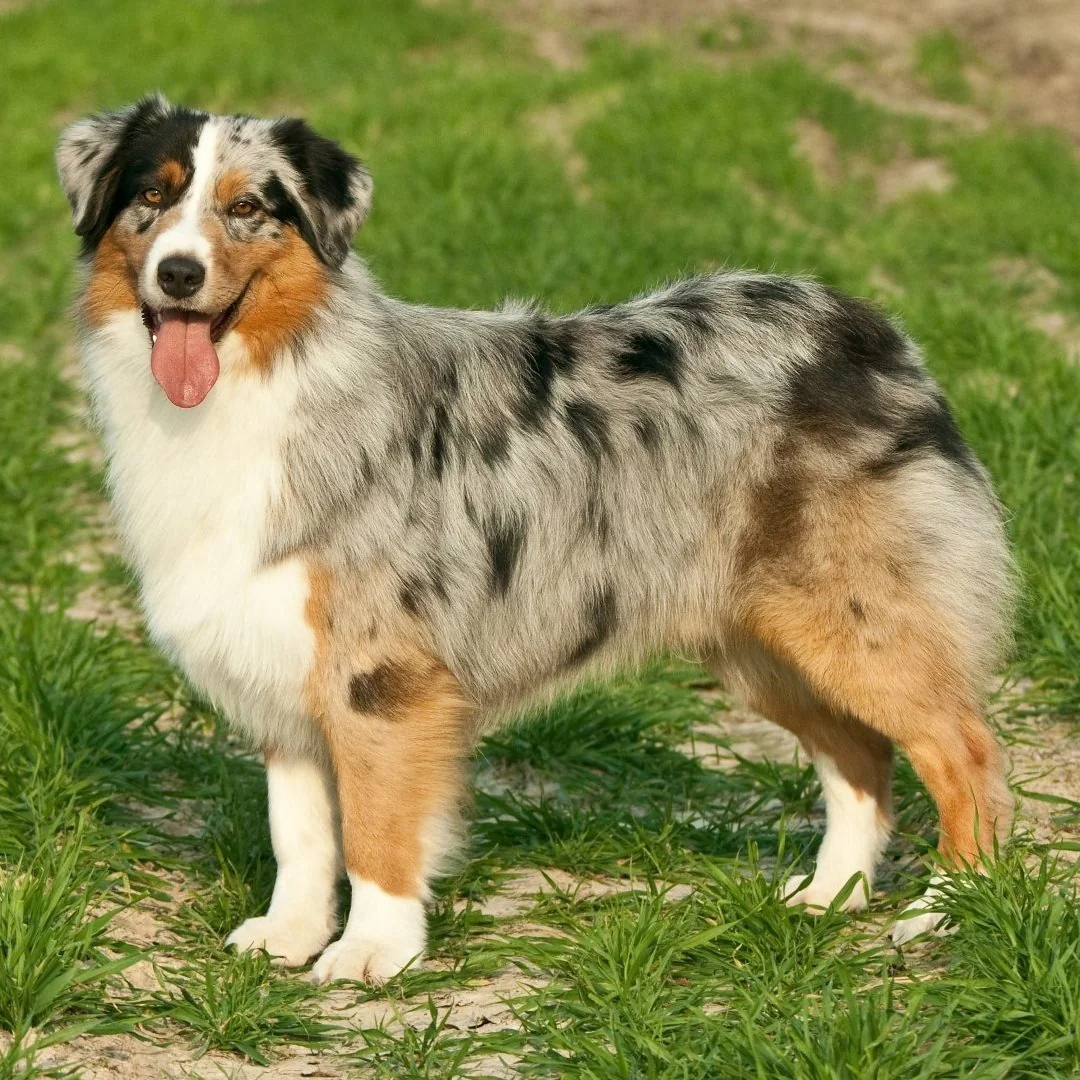
- Approximately 70% of Collies and 50% of Australian Shepherds and Miniature American Shepherds carry the mutation
- High-dose ivermectin, loperamide (Imodium), acepromazine, certain chemotherapy drugs, and several other common medications can cause fatal reactions in affected dogs
- Standard monthly heartworm prevention doses of ivermectin are generally safe even in MDR1-positive dogs. High-dose mange treatments are the primary danger
- A simple cheek swab genetic test is available from multiple labs. Testing costs typically range from $60 to $120 and results take 1 to 3 weeks
- MDR1-positive dogs live completely normal, healthy lives when their status is known and communicated to all their healthcare providers
In 2001, researchers at Washington State University made a discovery that has since changed how veterinarians treat herding breed dogs worldwide. They found that a proportion of Collies, Australian Shepherds, and related breeds carry a genetic mutation that makes them hypersensitive to certain commonly used medications, including drugs that are entirely safe and routinely administered to other dogs. The mutation is in a gene called MDR1, now also referred to as ABCB1, and its consequences can be severe and even fatal when an affected dog receives a drug from the high-risk list.
The mutation is not rare. It affects an estimated 70% of tested Collies and 50% of Australian Shepherds. It is present in Border Collies, Shetland Sheepdogs, German Shepherds, and a growing list of other breeds. Many dogs carrying this mutation have never been tested, and their owners have no idea that a routine prescription could trigger a neurological crisis.
What the MDR1 Mutation Does
The MDR1 gene provides instructions for building a protein called P-glycoprotein (P-gp). P-glycoprotein acts as a molecular pump embedded in the membranes of cells throughout the body, particularly in the brain, liver, kidneys, and intestinal lining. Its job is to pump certain foreign compounds, including many drugs, back out of cells or across barriers like the blood-brain barrier before they can accumulate to harmful levels.
The MDR1 mutation involves a 4-base pair deletion in the ABCB1 gene. This small change causes a frameshift that results in a truncated, non-functional P-glycoprotein. Without a working pump, drugs that P-glycoprotein would normally keep out of the brain or eliminate from the body are free to accumulate. In the brain, this accumulation can rapidly cause neurological toxicity at drug doses that are perfectly safe in dogs with normal MDR1 function.
The degree of effect depends on how many copies of the mutated gene a dog has. Dogs with two mutated copies (homozygous) have the most severe drug sensitivity. Dogs with one normal and one mutated copy (heterozygous) have partial sensitivity, experiencing less severe reactions but still at elevated risk compared to dogs with two normal copies.
Which Breeds Are Affected
| Breed | Estimated Prevalence | |
|---|---|---|
| Collie (Rough and Smooth) | ~70% of tested dogs | |
| Australian Shepherd | ~50% of tested dogs | |
| Miniature American Shepherd | ~50% of tested dogs | |
| Shetland Sheepdog (Sheltie) | 10 to 15% of tested dogs | |
| Border Collie | ~5% of tested dogs | |
| German Shepherd | Variable, reported in some lines | |
| Old English Sheepdog | ~5% of tested dogs | |
| McNab, English Shepherd, Waller | Present, prevalence variable | |
| Silken Windhound, Whippet | Present, prevalence lower | |
| Mixed breeds with herding ancestry | Can carry one or two copies of the mutation |
Any mixed breed dog with herding breed ancestry, even several generations back, can carry the MDR1 mutation. If your mixed breed dog's DNA test shows Collie, Australian Shepherd, Shetland Sheepdog, or Border Collie ancestry, MDR1 testing is warranted before high-risk medications are administered.
Understanding Your Dog's Test Result
Normal (Clear)
Two normal copies of the gene. No drug sensitivity. P-glycoprotein functions normally. No medication restrictions related to MDR1.
One normal, one mutated copy. Partial drug sensitivity. Less severe than M/M but still at elevated risk from high-risk drugs. Caution and dose adjustment recommended.
Two mutated copies. Severe drug sensitivity. High-risk medications must be avoided entirely or replaced with MDR1-safe alternatives under veterinary guidance.
N/N
N/M
M/M
Drugs That Are Dangerous for MDR1-Positive Dogs
The following table is a guide, not a complete list. Drug safety in MDR1-positive dogs is an active research area and new interactions are identified over time. Always inform every veterinarian, emergency clinic, and specialist of your dog's MDR1 status before any medication is prescribed or administered.
| Drug / Drug Class | Common Use | Risk in MDR1 Dogs |
|---|---|---|
| Ivermectin (high dose) | Mange treatment, some parasite treatments | HIGH. Can cause severe neurological toxicity at high doses. Fatal in homozygous dogs. Standard heartworm prevention doses are generally safe. |
| Loperamide (Imodium) | Over-the-counter antidiarrhoeal | HIGH. Crosses blood-brain barrier without functional P-gp. Avoid in all MDR1-positive dogs. Causes severe neurological signs even at normal doses. |
| Acepromazine | Sedation and pre-anaesthetic | HIGH. Supported and prolonged sedation. Use 25 to 50% dose reductions or replace with dexmedetomidine. Alert all veterinarians including emergency clinics. |
| Butorphanol | Pain management and sedation | MODERATE. Improved sedation. Dose reduction typically required. |
| Vincristine, Doxorubicin | Chemotherapy drugs | HIGH. Significantly elevated toxicity risk. Oncologist must be informed of MDR1 status before any chemotherapy protocol begins. |
| Milbemycin (high dose) | Parasite treatment | MODERATE. At doses used for heartworm prevention, generally safe. High doses for Demodex treatment require caution. |
| Moxidectin (high dose) | Parasite treatment | MODERATE to HIGH. Similar to ivermectin. Preventative doses in licensed products are generally safe. High-dose treatments should be avoided. |
| Cyclosporine | Immune suppression, skin conditions | MODERATE. Increased blood levels possible. Monitoring and potential dose reduction required. |
| Digoxin | Heart medication | MODERATE. Reduced elimination, potential toxicity accumulation. Close monitoring required. |
Signs of Drug Toxicity in MDR1-Positive Dogs
Drug toxicity in MDR1-positive dogs primarily presents as neurological signs because the brain is the organ most sensitive to drug accumulation when P-glycoprotein is non-functional. Signs can develop within hours of drug administration.
- Ataxia, staggering, lack of coordination, inability to walk normally
- Tremors, visible muscle trembling or shaking
- Hypersalivation, excessive drooling
- Dilated pupils
- Disorientation and apparent blindness
- Seizures
- Coma, loss of consciousness
- Extreme sedation or inability to be roused (particularly with acepromazine or butorphanol)
- Slow heart rate and breathing
If you have given or suspect your dog received a drug from the high-risk list and they are showing any neurological signs including stumbling, tremors, extreme sedation, or loss of consciousness, go to an emergency veterinary clinic immediately. Do not wait. Bring the medication packaging and inform the clinic your dog is MDR1-positive or suspected to be. Treatment is supportive and symptomatic. There is no specific antidote, but intensive veterinary care significantly improves survival outcomes.
How to Get Your Dog Tested
MDR1 genetic testing is simple, non-invasive, affordable, and available without a veterinary referral for the cheek swab versions. Testing is recommended for any herding breed or mixed breed with herding ancestry before high-risk medications are ever needed. Ideally this happens in puppyhood, before the first veterinary procedures that might involve sedation.
The most widely used testing options in the United States are Washington State University's Veterinary Clinical Pharmacology Lab, which developed the original test and charges around $70, Start Veterinary's dog DNA test which includes MDR1 alongside hundreds of health conditions and breed information, and UC Davis Veterinary Genetics Lab, which offers standalone MDR1 testing at a similar price point. Your veterinarian can also submit a blood sample to any of these labs or to commercial veterinary reference labs.
The test identifies the dog's genotype as N/N (clear), N/M (carrier, one mutated copy), or M/M (homozygous, two mutated copies). Results are returned within 1 to 3 weeks. Keep the result in a permanent, accessible place alongside your dog's health records.
Managing an MDR1-Positive Dog
A confirmed MDR1-positive result requires no ongoing medical treatment. The management is entirely about awareness, communication, and avoidance of high-risk medications. Dogs with the mutation live full, normal, healthy lives without restriction once their status is known and integrated into their care.
Practical management steps for MDR1-positive dogs:
- Register the MDR1 status permanently in your dog's veterinary record at every practice they attend
- Carry a summary card in your dog's emergency information including the genotype result, the laboratory that performed the test, and a brief note about high-risk drug classes
- Consider a medical alert tag on the collar noting MDR1 sensitivity and your contact number
- Inform every emergency clinic, specialist, groomer, and boarding facility of the status, particularly regarding any situation where sedation might be used
- Do not use over-the-counter Imodium or any loperamide-containing product for diarrhoea. Ask your vet for a safe alternative
- For heartworm prevention, standard dose products containing ivermectin such as Heartgard are generally safe. Discuss your specific product with your vet
- Before any anaesthetic procedure, confirm that the anaesthetic protocol accounts for MDR1 status. A dog cleared as MDR1-positive should never receive acepromazine without explicit dose adjustment discussion
WSU Veterinary Clinical Pharmacology maintains an up-to-date online resource listing drugs known to be affected by the MDR1 mutation, including safe alternatives and dose adjustment guidance. Your veterinarian can reference this list when planning treatment protocols for your dog. The URL is vcpl.vetmed.wsu.edu.
Communicating MDR1 Status to Your Vet
The most important single action you can take after learning your dog is MDR1-positive is to make sure every veterinary professional who ever sees your dog knows their status. This includes your regular vet, any specialist, emergency clinics in your area, and mobile vets if you use them.
At the first appointment after testing, ask your vet to add MDR1 status and the genotype result to the top of your dog's medical record in a prominent location. Ask whether their practice software allows a permanent alert flag to appear every time the record is opened. Many modern veterinary software systems do support this functionality.
For emergency situations, time pressure can mean important information is overlooked if it is buried in a record rather than immediately visible. A physical card in your dog's emergency kit noting the MDR1 status, the genotype (N/M or M/M), and the testing lab is a simple but potentially life-saving precaution.
Frequently Asked Questions
What is the MDR1 gene mutation in dogs?
The MDR1 (ABCB1) gene mutation is a genetic variant causing a non-functional P-glycoprotein pump. P-glycoprotein normally removes certain drugs from the brain, liver, kidneys, and intestines. Dogs with the mutation cannot eliminate these drugs efficiently, causing them to accumulate to toxic levels at doses safe for other dogs. The mutation was first identified in Collies in 2001 by researchers at Washington State University and is most common in herding breeds.
Which dog breeds carry the MDR1 mutation?
The MDR1 mutation is most common in herding breeds. Approximately 70% of Collies and 50% of Australian Shepherds and Miniature American Shepherds carry the mutation. Other affected breeds include Shetland Sheepdogs (10 to 15%), Border Collies, German Shepherds, Old English Sheepdogs, McNabs, English Shepherds, Silken Windhounds, and Whippets. Mixed breed dogs with herding ancestry can also carry the mutation.
Is ivermectin always dangerous for MDR1-positive dogs?
Standard monthly heartworm prevention doses of ivermectin found in products like Heartgard are generally considered safe even for MDR1-affected dogs because the dose is very low. The dangerous doses are the high-dose ivermectin treatments used for mange and some other parasitic infections, which are many times higher. Always inform your vet of your dog's MDR1 status before any ivermectin-containing treatment is prescribed, particularly for skin conditions.
How do I get my dog tested for the MDR1 mutation?
MDR1 genetic testing is simple and widely available. The most convenient method is a cheek swab kit from Washington State University's Veterinary Clinical Pharmacology Lab, Begin Veterinary, or UC Davis Veterinary Genetics Lab. You collect a saliva sample, mail it to the lab, and receive results within 1 to 3 weeks. Your veterinarian can also submit a blood sample. The test identifies whether the dog is N/N (clear), N/M (one mutated gene), or M/M (two mutated genes). Testing costs typically range from $60 to $120.
Can a dog with MDR1 live a normal life?
Yes, completely. MDR1-positive dogs live full, healthy, normal lives when their status is known and their medical care is managed accordingly. The condition requires awareness and planning rather than any ongoing medical treatment. Once tested and the status is registered with their veterinarian, appropriate safe drug alternatives are used whenever needed. Informing every veterinarian, emergency clinic, groomer, and boarding facility of the MDR1 status ensures safe care across all situations throughout the dog's life.
Medical disclaimer: This article is for educational purposes only and does not constitute veterinary advice. Always consult a licensed veterinarian for diagnosis and treatment of your pet's health conditions.